
The mullet has shaken off its 1980s reputation and turned into one of the most requested cuts at barbershops in 2026. But the version trending right now isn’t the exaggerated, party-in-the-back throwback most people picture. It’s a shorter, cleaner take that trims the drama while keeping the signature contrast between the front and the back.
Below are 12 short mullet variations worth showing your barber this year, along with styling tips, fade advice, and answers to the questions people ask most before booking the chair.
Short Modern Mullet
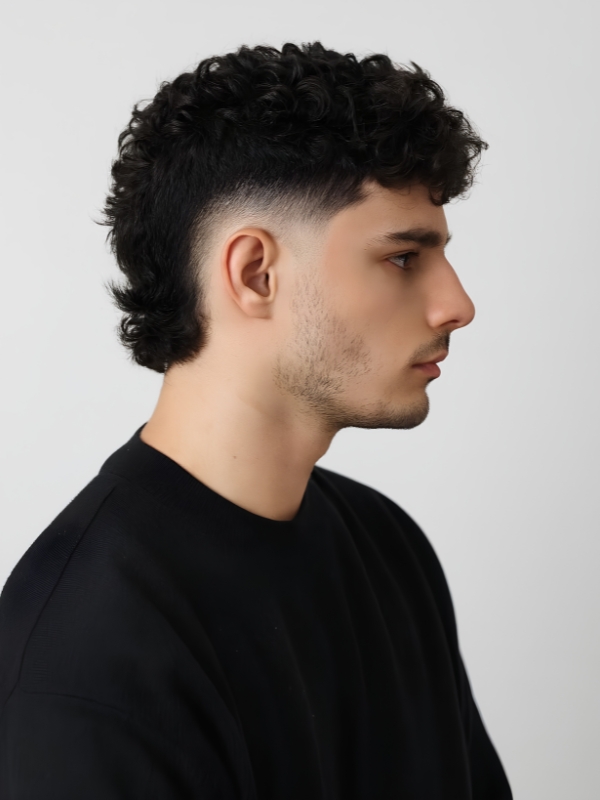
The short modern mullet is the entry point most guys start with. It pairs tapered sides with a textured top and only lets the back extend an inch or two past a standard short haircut. Nothing about it screams “mullet” at first glance, which is exactly the appeal.
- Sides are tapered rather than shaved to the skin
- Top carries light texture for movement
- Back stays short enough to pass in most workplaces
Ask your barber for graduated length in the back that brushes the nape without touching the collar. A lightweight texturizing cream on damp hair, followed by a quick blow-dry, gives it natural shape without looking overworked.
Short Burst Fade Mullet

The burst fade mullet curves the fade around the ear instead of running it in a straight line down the neck. That circular blend adds contrast and energy while keeping the length in the back intact.
This variation suits men who want more visual punch than a standard taper but aren’t ready for a full skin fade. It also grows out fairly cleanly since the fade is concentrated around the ear rather than across the whole side.
Short Taper Mullet
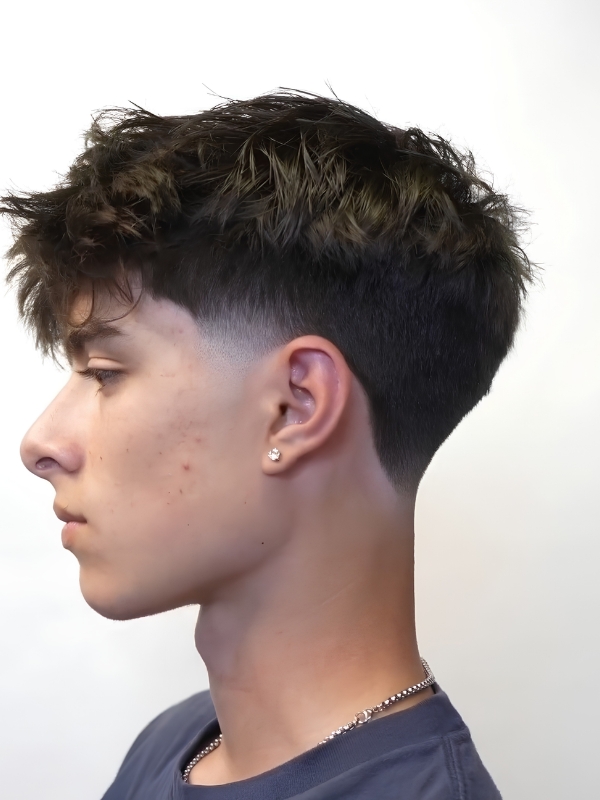
A taper mullet is the safest, most versatile option on this list. The sides gradually shorten toward the skin without ever fully disappearing, creating a soft transition into the longer back section.
Because there’s no harsh line to maintain, the taper mullet grows out gracefully between appointments, making it a smart pick for anyone who can’t get to the barber every three weeks.
Short Drop Fade Mullet
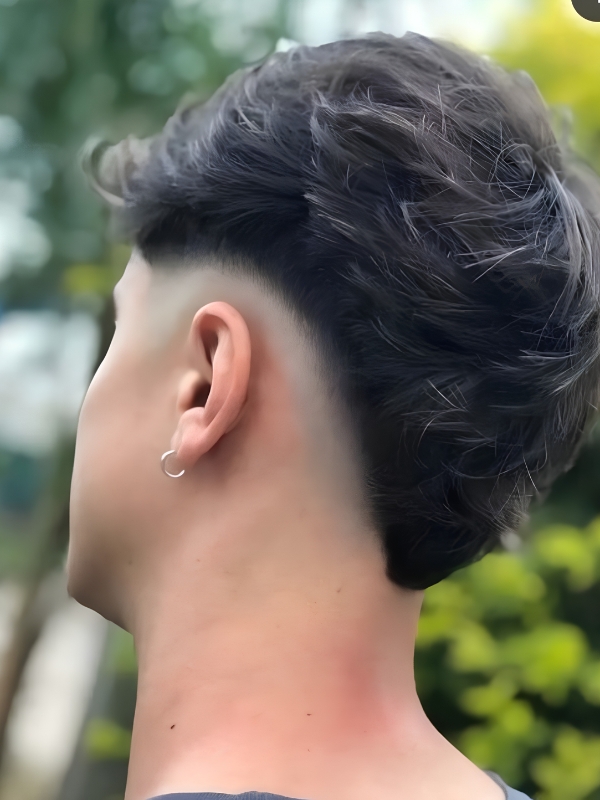
The drop fade dips lower behind the ear before curving back up, which adds extra roundness and depth compared to a straight or burst fade. Paired with a short mullet, it creates a sharper silhouette while still leaving enough length up top to style.
This one requires a skilled hand, since the fade needs to drop at the right point to avoid looking uneven. It works especially well on men with thicker hair who want the sides to feel lighter without losing shape.
Short Hair Mullet Buzz Cut
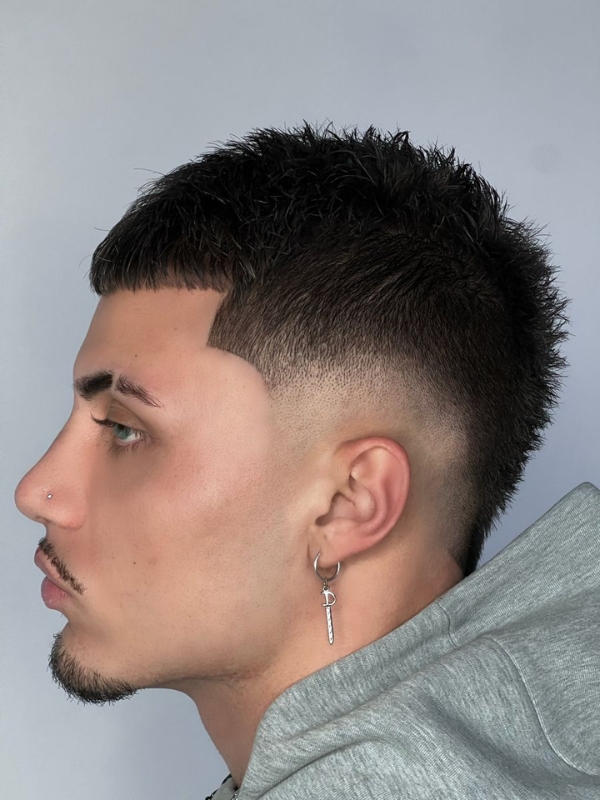
The buzz cut mullet strips the top down to a uniform short length while leaving the back noticeably longer, creating one of the boldest contrasts in the mullet family. It’s about as low-maintenance as the style gets on top, though the longer back still needs occasional shaping.
| Feature | Detail |
| Top length | Clipper-short, uniform |
| Back length | 1.5–3 inches |
| Best hair texture | Straight to medium |
| Styling time | Under 5 minutes |
| Trim frequency | Every 4 weeks |
This cut suits men with strong jawlines who want an edgier, more rugged look without daily styling.
Short Curly Mullet
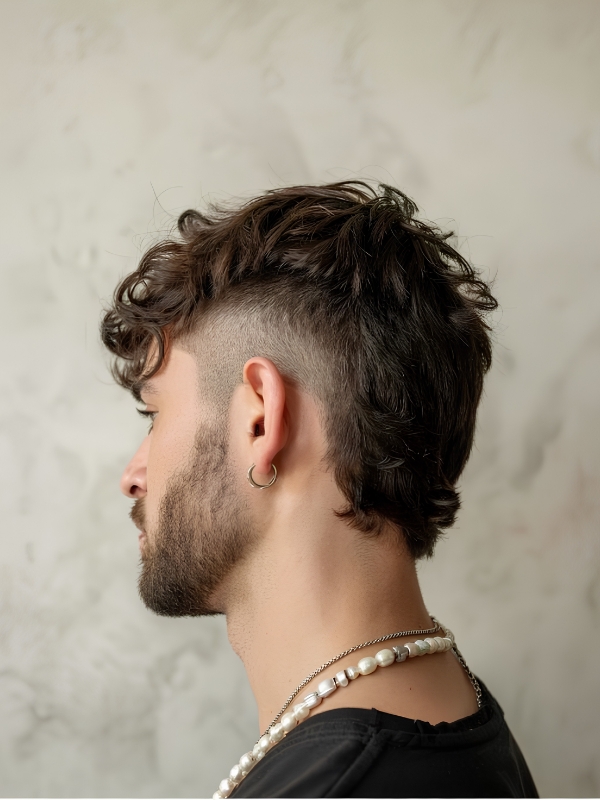
Curly hair adds built-in volume, which makes the mullet shape look effortless. Layers on top open up the face while the natural curl pattern in the back adds bounce without extra product.
- Ask for layering that follows the curl pattern instead of cutting against it
- A curl-defining cream applied to damp hair keeps frizz down
- Avoid over-thinning the back, since curls need some weight to hold their shape
This is one of the lowest-maintenance versions once cut correctly, since curls naturally camouflage minor growth between trims.
Also Read This: Modern Korean Mullet Haircuts for 2026 | Trendy K Style Looks
Short Straight Mullet
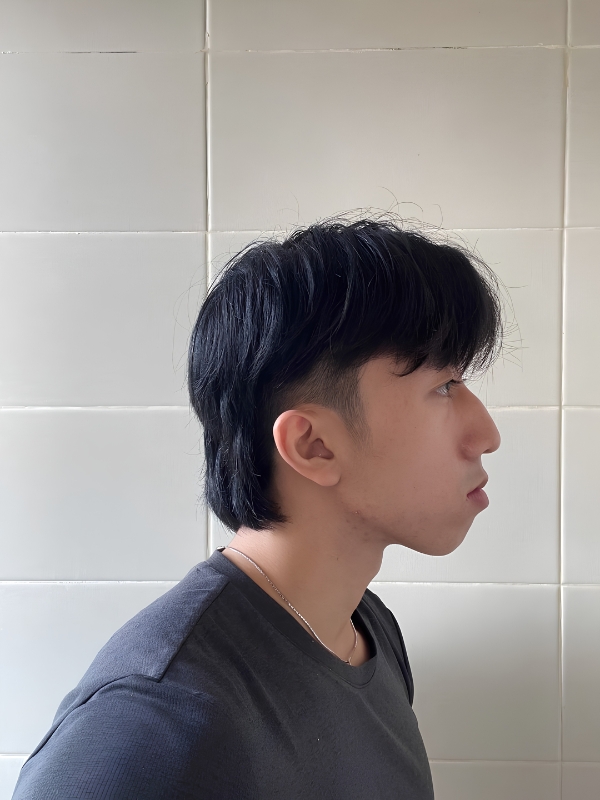
Straight hair shows every line clearly, so a short straight mullet depends heavily on precise cutting rather than texture to carry the look. The payoff is a crisp, defined silhouette that photographs well and holds its shape through the day.
Because straight hair lacks natural volume, a sea salt spray or light mousse before blow-drying helps prevent the style from looking flat.
Short Wolf Mullet
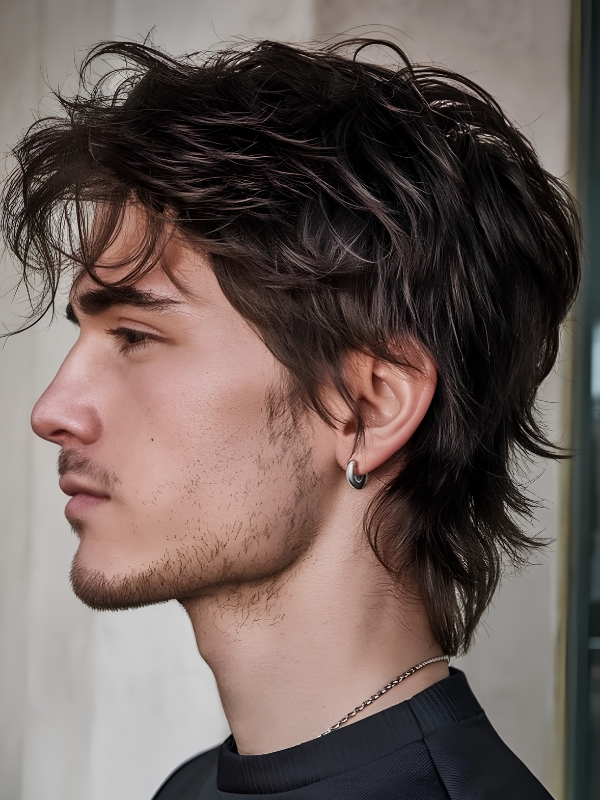
The wolf mullet borrows heavy layering from the shag and wolf cut and blends it into a shorter mullet base. Choppy, disconnected pieces throughout the top and crown give it a wild, textured finish that reads as intentional rather than unkempt.
It works best on medium to thick hair that can support the extra layering, and it pairs naturally with a matte clay or texture powder for a piecey, lived-in finish.
Short Shaggy Mullet
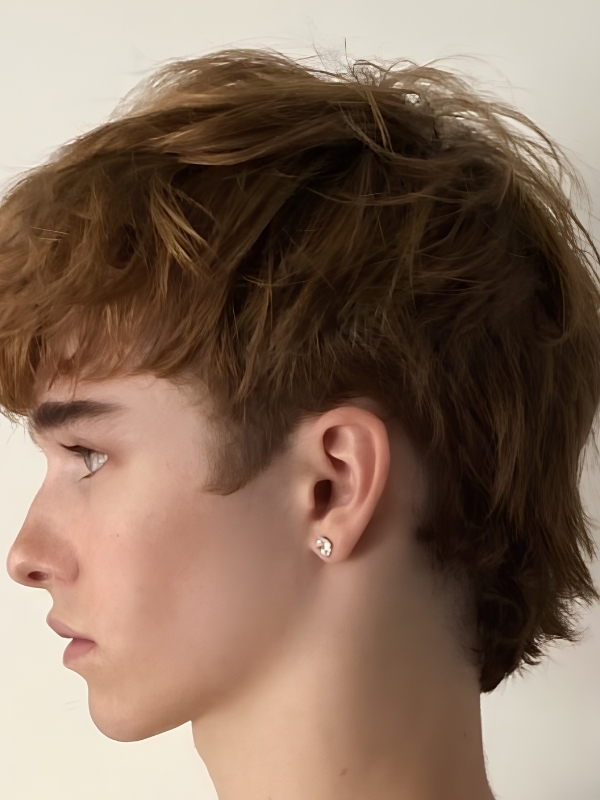
The shaggy mullet leans into a relaxed, retro feel rather than a sharp, structured one. Soft layers throughout create movement in every direction, and the back is left slightly tousled instead of neatly shaped.
This variation grows out especially well since there’s no rigid line to maintain, making it a solid choice for anyone who wants a laid-back look between barber visits.
Short V-Back Mullet
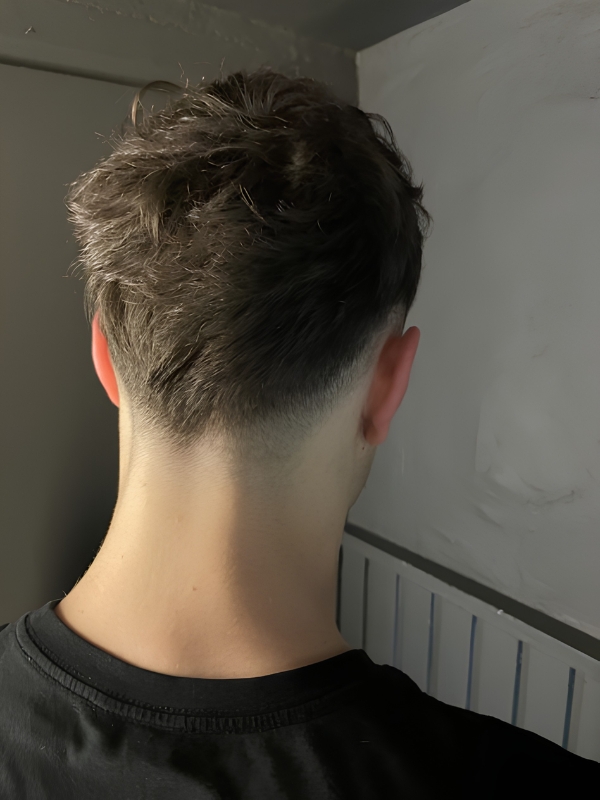
Instead of a straight or rounded hairline at the nape, the V-back mullet is cut into a defined V shape at the base of the neck. It’s a subtle detail that adds a distinctive, tailored finish to an otherwise simple short mullet.
The V-back works particularly well when paired with a taper or low fade, since the clean sides let the shaped nape stand out as the style’s focal point.
Short Mullet Fade
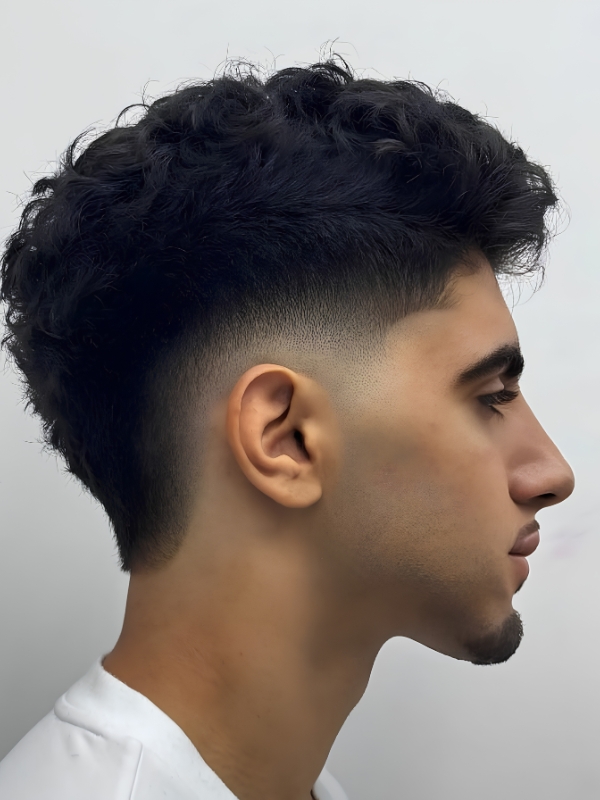
A short mullet fade is less a single style and more a category — any short mullet finished with a fade instead of a taper. The fade height and intensity can shift the entire mood of the cut:
- Low fade – subtle, office-friendly, minimal upkeep
- Mid fade – balanced contrast, works for most face shapes
- High or skin fade – bold, high-contrast, needs touch-ups every 3–4 weeks
Choosing the right fade height is really a question of how much contrast you want against the longer back section.
Short Fringe Mullet
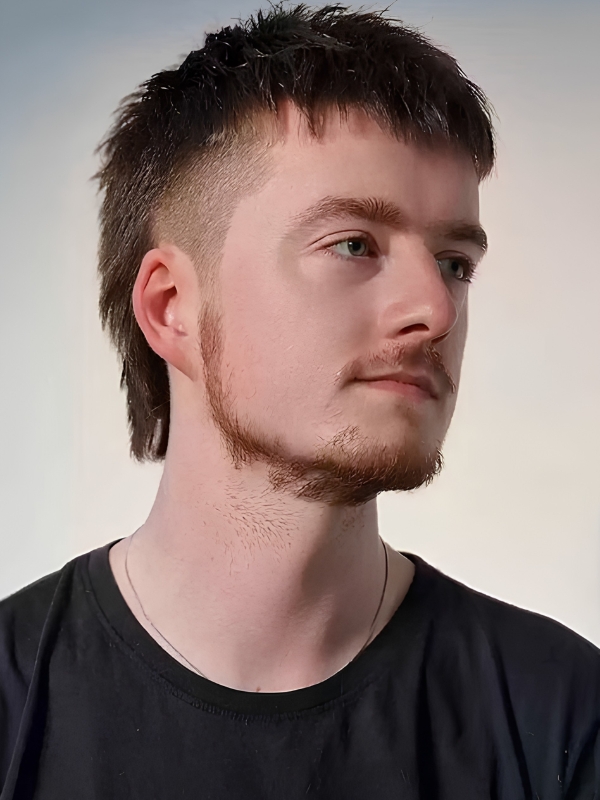
The fringe mullet brings the classic mullet silhouette to the front by adding a forward-styled fringe across the forehead. Combined with tapered or faded sides, it softens the face and adds a slightly retro, European flair.
- Works well with straight to wavy hair
- Fringe should be trimmed every 4–5 weeks to avoid it falling into the eyes
- Pairs naturally with side-shaved or disconnected sections for added contrast
Styling a Short Mullet
Styling a short mullet doesn’t take long once you know the basic routine. Most versions come together with:
- A dime-sized amount of texturizing cream or matte paste
- A quick blow-dry using fingers to lift the roots
- Light product in the back to define pieces without weighing curls or waves down
For textured or wolf mullet variations, apply product to towel-dried hair rather than fully dry hair — this helps the pieces hold their separation longer. Straight mullets benefit from a volumizing mousse applied at the root before drying.
Best Fade for Short Mullet
There isn’t one single “best” fade — it depends on hair type, face shape, and how much upkeep you’re willing to commit to.
| Fade Type | Contrast Level | Maintenance | Best For |
| Taper fade | Low | Every 5–6 weeks | Classic, low-maintenance looks |
| Low fade | Low-medium | Every 4–5 weeks | Office-appropriate styles |
| Burst fade | Medium-high | Every 3–4 weeks | Bold, statement looks |
| Drop fade | Medium-high | Every 3–4 weeks | Thicker hair, sharper shape |
| Skin fade | High | Every 3 weeks | Maximum contrast, edgier styles |
A taper or low fade grows out the most gracefully, while burst, drop, and skin fades need more frequent barber visits to keep the line sharp.
Mullet, Low-Maintenance, Short
If low maintenance is the priority, the short mullet already has an advantage over its longer counterparts — there’s simply less hair to manage. To keep upkeep to a minimum:
- Choose a taper over a hard fade, since it grows out without leaving a visible line
- Pick curly or wavy textures, which naturally hide a few extra weeks of growth
- Stick to a simple wash-and-go routine with a light styling cream rather than heat tools
- Book trims every 4–6 weeks rather than waiting until the shape has fully lost definition
A short mullet built around your natural texture, rather than fighting it, will always require less daily effort than one that depends on precise styling to look intentional.
Conclusion
The short mullet has earned its place as one of 2026’s most adaptable men’s haircuts precisely because it doesn’t demand a full commitment to the extreme lengths of the original. From the understated short modern mullet to the bold buzz cut and wolf mullet variations, there’s a version suited to nearly every hair type, face shape, and lifestyle.
The key to getting it right is matching the fade or taper to your maintenance tolerance and bringing reference photos to your barber, since “mullet” can mean something slightly different to everyone behind the chair. Whichever variation you choose, a short mullet offers a rare combination of bold personality and everyday practicality — a balance that’s kept this once-divisive cut firmly in style.