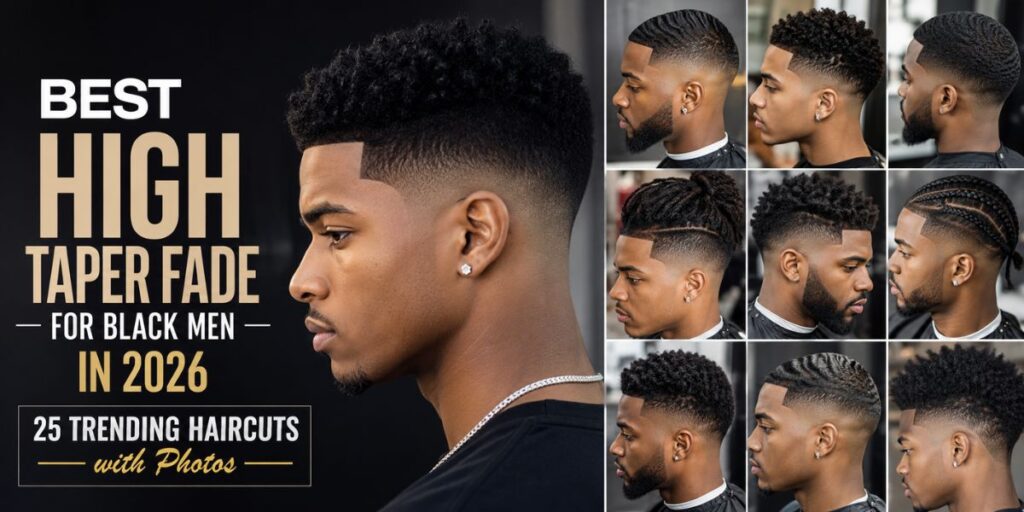
A high taper fade is one of the sharpest, most reliable haircuts a Black man can walk into a barbershop and ask for in 2026. It takes the natural height and texture of afro, curly, or coily hair and pairs it with tight, precise sides that fade upward from the ear. The result is a cut that looks fresh the moment you leave the chair and still holds its shape weeks later.
This guide breaks down what a high taper fade actually is, how it differs from a regular fade, and which variations are trending right now. Whether you want something clean for the office or bold enough for a night out, you will find a style below that fits your hair type, face shape, and maintenance routine.
What Is a High Taper Fade Haircut for Black Men?
A high taper fade starts tapering well above the temple, usually somewhere between the top of the ear and the crown. Unlike a low fade, which keeps most of the length and only trims the very bottom of the hairline, a high taper fade removes noticeably more hair from the sides and back. This creates a bold contrast between the shorter sides and whatever length or texture sits on top, whether that is a curly top, waves, an afro, or a slicked back style.
The word “taper” and the word “fade” get used interchangeably by a lot of barbers, but there is a technical difference worth knowing before your next appointment:
| Term | How it works | Best suited for |
| Taper | Hair gradually shortens but never reaches the skin | Oval, heart, and diamond face shapes; lower maintenance |
| Fade | Hair blends all the way down to bare skin | Round and square face shapes; sharper, bolder contrast |
| Taper fade | Combines both: gradual blending on top of the ear that finishes clean near the skin | Most face shapes and hair textures; the middle ground option |
A high taper fade sits at the top of that scale in terms of height, so it puts the focus on whatever is happening on top of your head. That makes it a strong pick for men who want their curls, waves, or design work to be the centerpiece of the look.
Trending High Taper Fade Looks for Black Men
Here are 25 of the most requested high taper fade variations in barbershops right now, grouped by style so you can find the one that matches your hair type and lifestyle.
1. Curly Taper Fade
Natural curls stay full and bouncy on top while the sides fade up tight and clean. This is one of the most requested looks because it works with your hair’s natural pattern instead of fighting it.
2. Burst Taper Fade
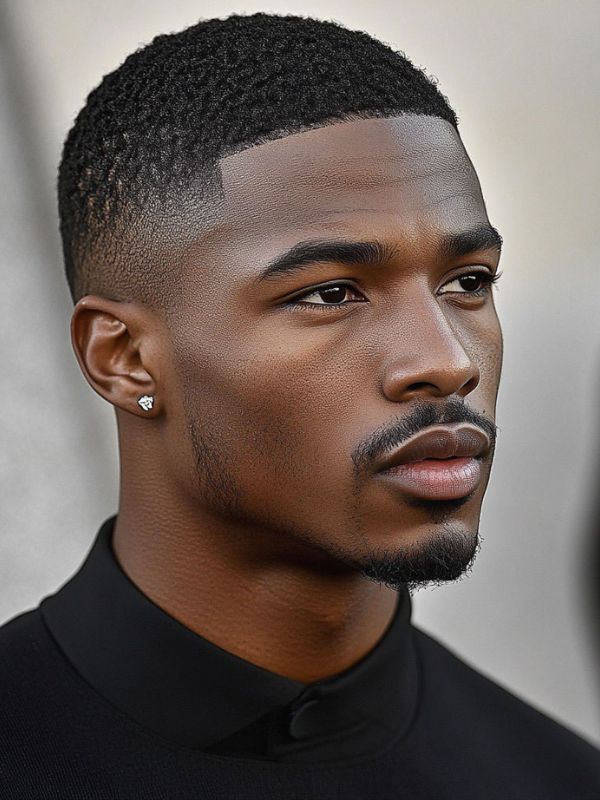
The fade curves around the ear in a semicircle instead of a straight line, giving a rounded, sculpted finish that pairs well with fringe or curly tops.
3. Afro Taper Fade
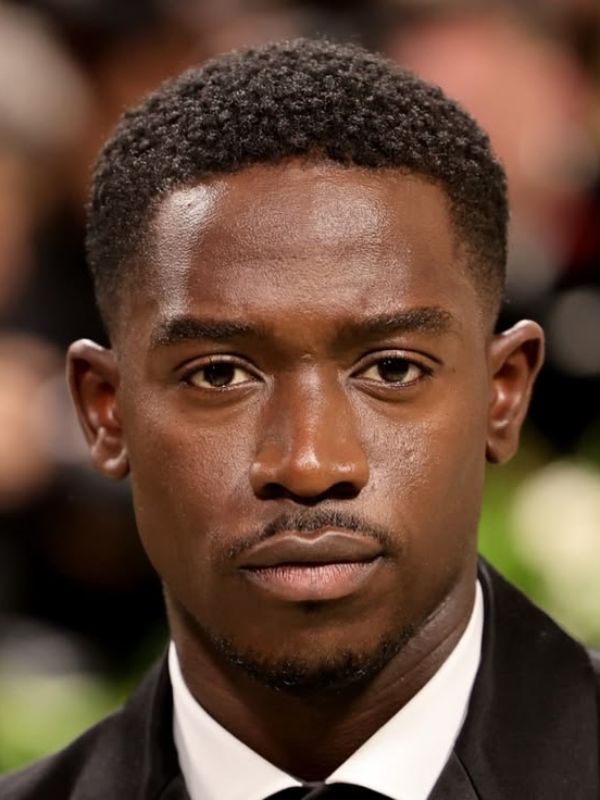
A rounded afro on top meets a crisp high taper on the sides. This combination keeps volume where you want it while removing bulk everywhere else.
4. Slick Back Taper Fade
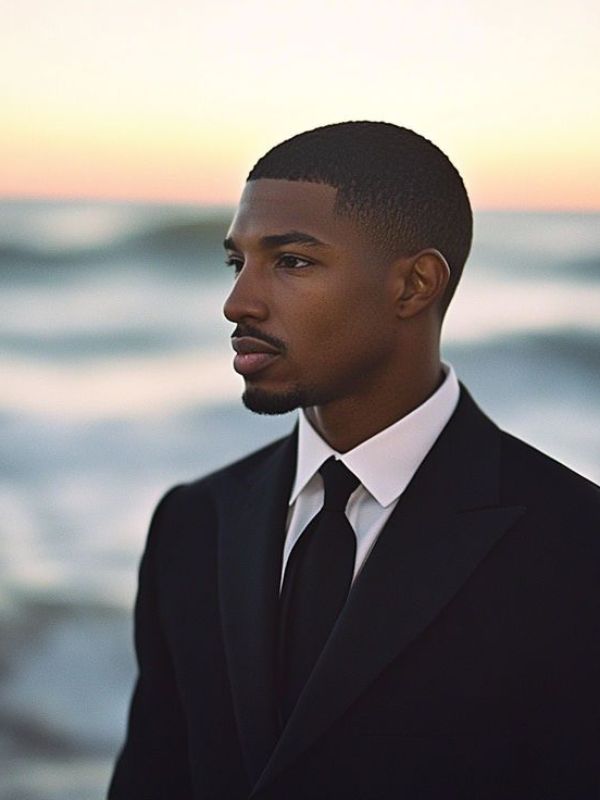
Hair on top is swept back for a sleek, polished finish while the sides fade down tight. It is a great option for men who want something dressy enough for work.
5. High Taper Fade Curly Hair
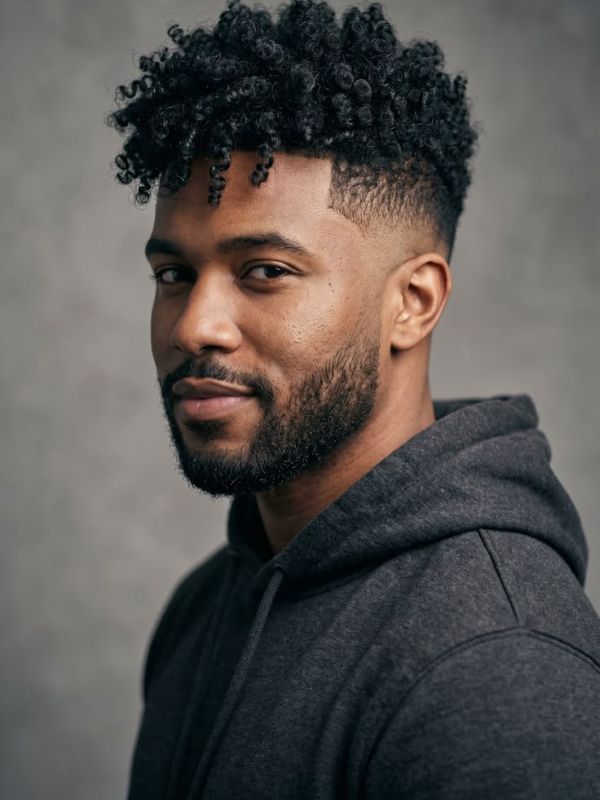
A dedicated variation for tighter curl patterns, where the barber leaves extra length on top so the curl definition stays visible instead of getting cut too short.
Also Read This: From Messi to Bellingham: Best Soccer Player Haircuts in 2026
6. Comb Over Taper Fade
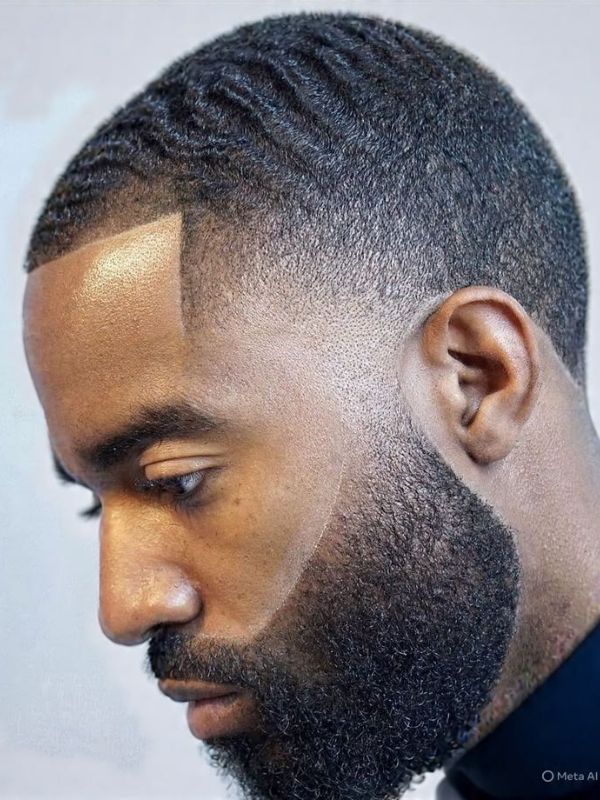
A classic side part paired with a high fade underneath. It is smart, professional, and easy to maintain between cuts.
7. Short Hair High Taper Fade
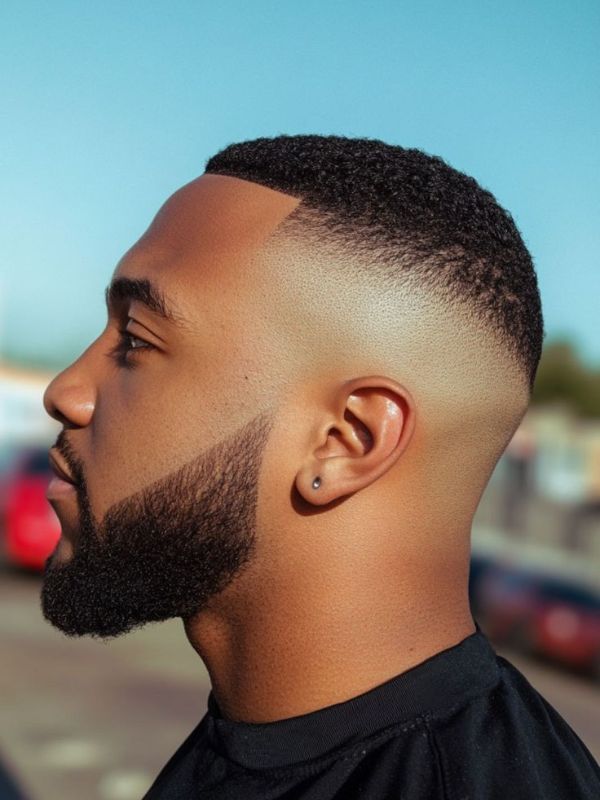
For men who prefer minimal length on top, this keeps everything close cropped while the fade still delivers the bold sideline contrast.
8. Messy Taper Fade
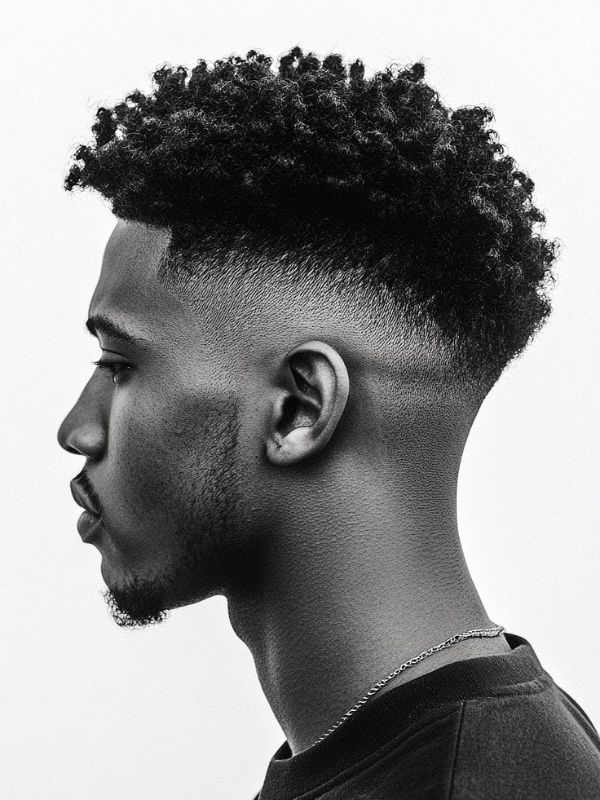
Textured, slightly tousled hair on top contrasts against a clean, sharp fade. It looks effortless but still intentional.
9. Quiff Taper Fade
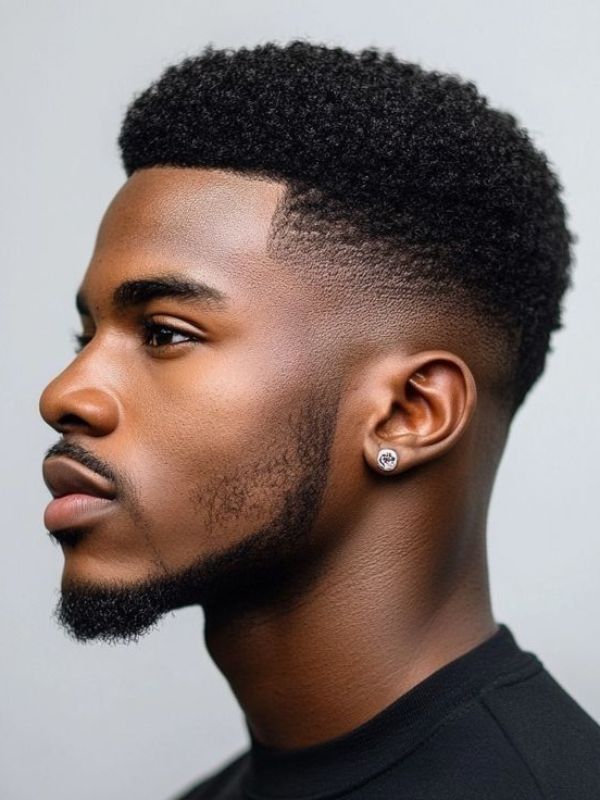
Hair is styled up and forward at the front for lift and volume, then blended into a high fade at the sides.
10. Skin Taper Fade
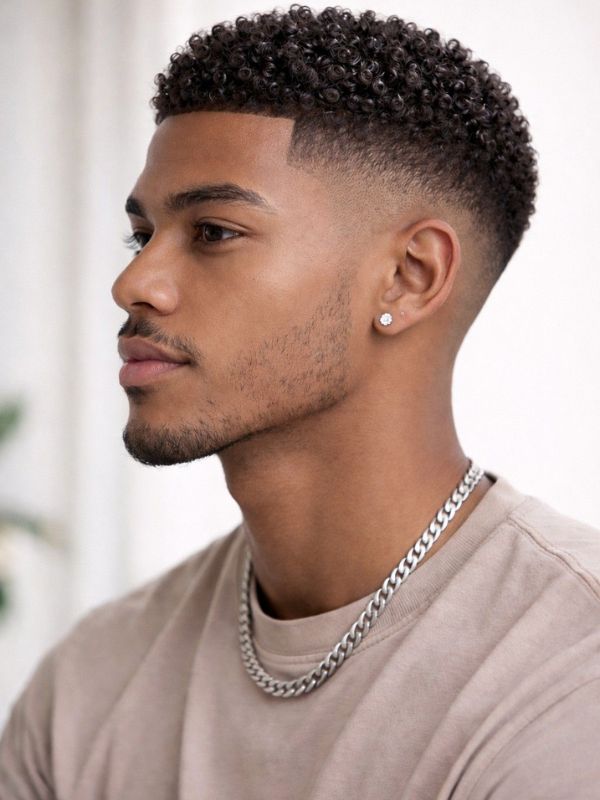
The sides fade all the way down to bare skin near the hairline, giving maximum contrast against the top.
11. Drop Taper Fade
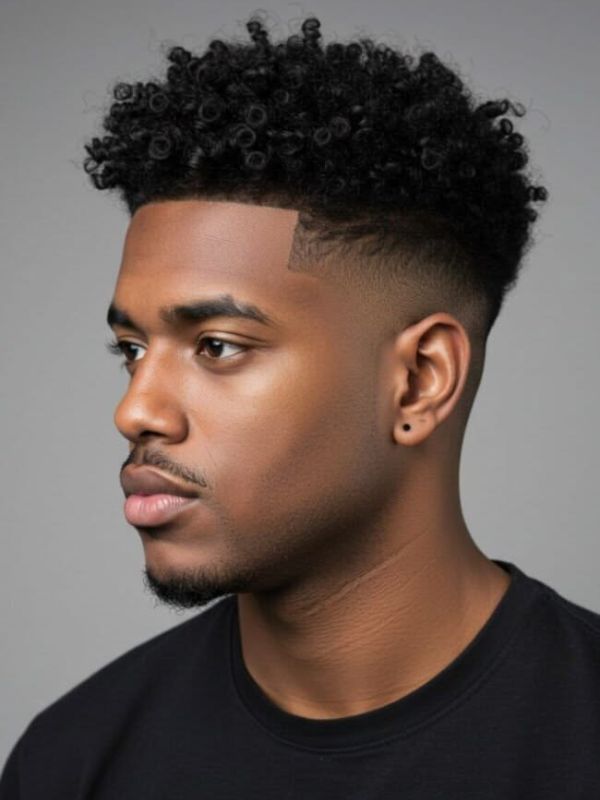
The fade line drops behind the ear and curves along the natural shape of your head, rather than staying straight across.
Additional trending variations worth asking your barber about include:
- Waves with a high taper fade
- Dreads with a high taper fade
- Twist taper fade
- High top fade with a shaved part
- Pompadour taper fade
- Textured crop taper fade
- Line up high taper fade
- Bald taper fade with waves
- Fringe taper fade
- Mohawk taper fade
- High taper fade with beard line up
- Flat top taper fade
- Braids with a high taper fade
- Undercut style taper fade
The Evolution of High Taper Fade Haircuts for Black Men
The taper fade has deep roots in Black barbershop culture, tracing back to the flat top and hi top fade styles that became popular in the 1980s and 1990s. Those early cuts were bold statements built around height and sharp geometric lines. Over time, barbers began experimenting with softer transitions, blending the dramatic height of the hi top with the smoother gradient of a taper.
By the 2010s, taper fades had become a barbershop standard, and design work such as shaved lines, part disconnects, and burst patterns became common add ons. Today, the high taper fade continues that evolution by combining classic height with modern precision tools like foil over clippers and detail razors, giving barbers the ability to create cleaner lines than ever before.
What has stayed constant is the cultural weight of the cut. For many Black men, the taper fade is not just about looking sharp. It is tied to identity, self expression, and pride in natural hair texture, whether that means an afro, curls, waves, or locs sitting on top of a crisp fade.
How to Choose the Right High Taper Fade for You
A few factors should guide your decision before you sit in the chair:
- Hair texture. Curly and coily hair pairs naturally with a taper fade because the gradual blend keeps volume intact. Straighter hair tends to show sharper, more defined fade lines.
- Face shape. Round and square faces often look best with more height on top to elongate the face. Oval and heart shaped faces have more flexibility and can wear almost any variation.
- Maintenance schedule. A high skin taper fade typically needs a touch up every one to two weeks to stay sharp. A softer, non skin taper can often stretch to three or four weeks.
- Lifestyle and setting. A comb over or slick back taper fade reads more professional, while a messy or quiff taper fade leans more casual.
Always bring a reference photo to your barber and be specific about height, guard numbers, and whether you want the fade to finish on skin or stay softer. Communication is the difference between a fresh cut and a disappointing one.
Conclusion
The high taper fade remains one of the most versatile and culturally significant haircuts for Black men in 2026. From curly tops and afros to slicked back finishes and bold design work, there is a version of this cut for every hair type, face shape, and personal style.
The key to getting it right is clear communication with your barber, realistic expectations about maintenance, and a reference photo that matches the look you actually want. Bring this guide to your next appointment and find the high taper fade that fits you best.