
The dreadlock mullet has moved from a niche statement look to one of the most requested cuts in barbershops and loc studios this year. It takes the short front and long back shape of a classic mullet and pairs it with the texture and personality of locs, giving you a style that reads as bold, low effort on the surface, and deeply personal underneath.
Whether you are new to locs or already years into your journey, this guide walks through the top dreadlock mullet looks trending in 2026 and exactly how to keep them healthy, tight, and camera ready.
What Is a Dreadlock Mullet
A dreadlock mullet, also called a dread mullet or mullet locs, keeps the front, top, and sides shorter while allowing dreadlocks at the back and crown to grow long. The contrast between the tidy front and the wild, flowing back is what gives the style its edge. Barbers usually build the shape with a fade, taper, or clean line up on the sides, then let the loc texture do the talking in the back.
Unlike a traditional mullet, this version relies heavily on how your locs are formed, whether that is through interlocking, palm rolling, comb coils, or freeform growth. That means no two dreadlock mullets ever look exactly alike, even when they start from the same template.
Top Dreadlock Mullet Looks 2026
Below are the styles clients and stylists keep asking for this year, each with its own vibe and maintenance level.
Dreadlock Mullet Fade
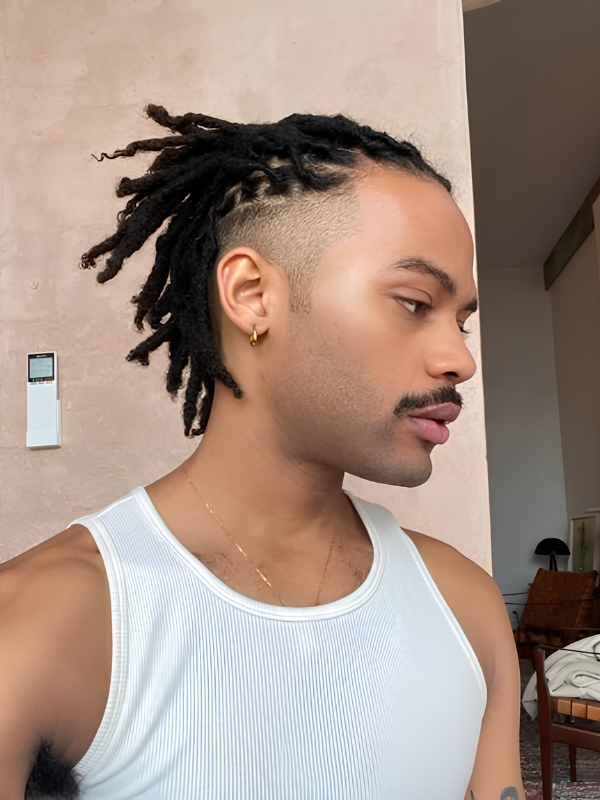
This is the sharpest version of the trend. A skin or high fade removes bulk from the sides while the top and back keep their textured locs. The clean line between skin and hair makes the loc volume on top look even bigger by contrast. It works especially well for men who want a style that looks polished at work and edgy on the weekend.
Short Dread Mullet
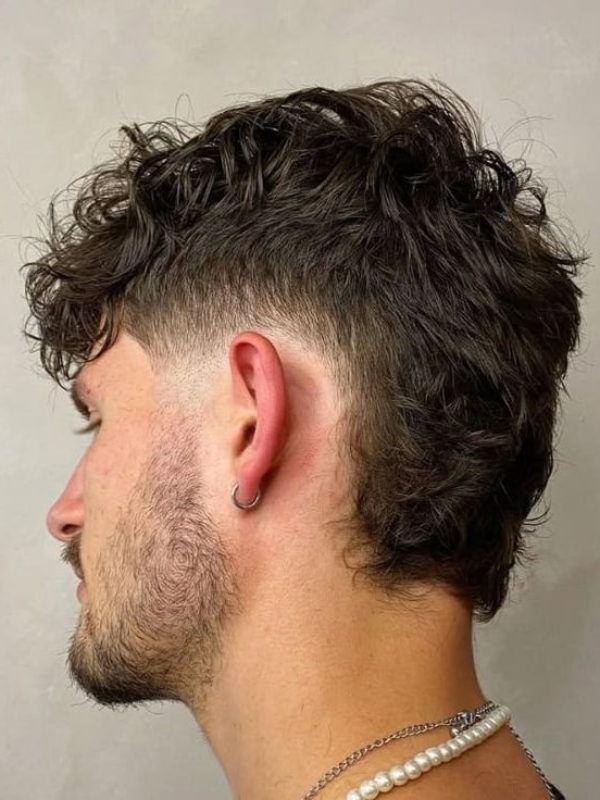
Perfect for beginners or anyone early in their loc journey. Short locs are easier to wash, dry, and section, which makes them forgiving while your hair is still locking up. The mullet shape stays visible without the weight of long locs pulling at the roots, and shorter locs put less strain on the scalp during the early maturing stage.
Also Read This: Mexican Mullet 2026: Top Trendy, Modern & Stylish Haircuts
Long Dread Mullet
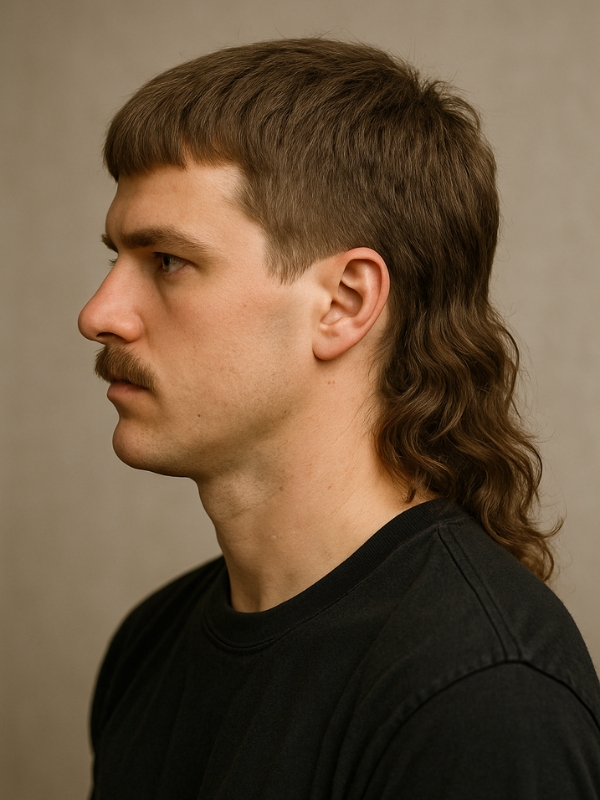
This is the most dramatic take on the style. Long, heavy locs cascade down the back while the front stays short and controlled. It takes longer to grow into and needs more consistent retwisting to avoid tangling, but the payoff is a silhouette that instantly stands out in a crowd.
Dread Mullet Black Man
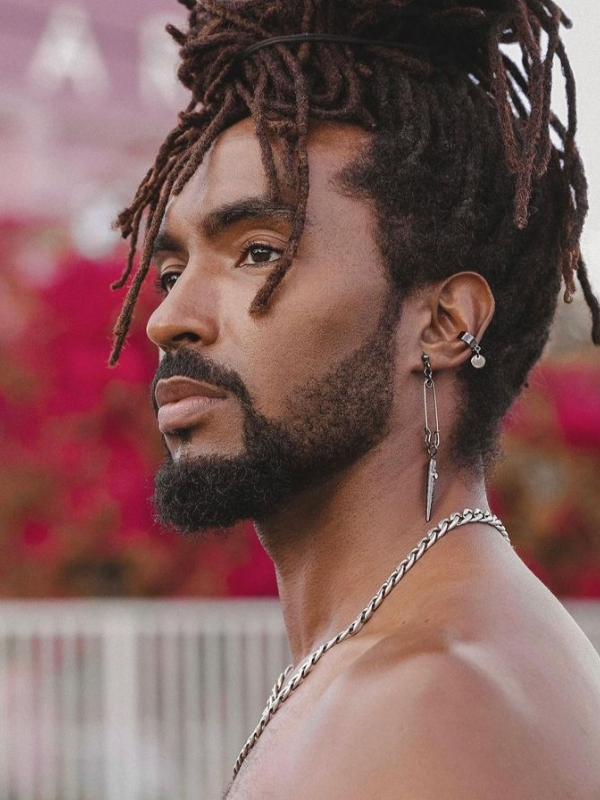
On coilier or curlier hair textures, dread mullets tend to lock up faster and hold shape naturally, since the hair’s own curl pattern helps the strands mat together. Fades, tapers, and burst fades are especially popular pairings here because they highlight the density and definition of thicker locs.
Dread Mullet White Guy

On straighter or finer hair textures, locs generally need more sectioning help and a bit more patience to form, often through backcombing or a wax free locking method. Once they mature, the contrast between the smoother front and the coarser, matted back creates a striking, layered look that photographs well.
Dread Mullet with Taper
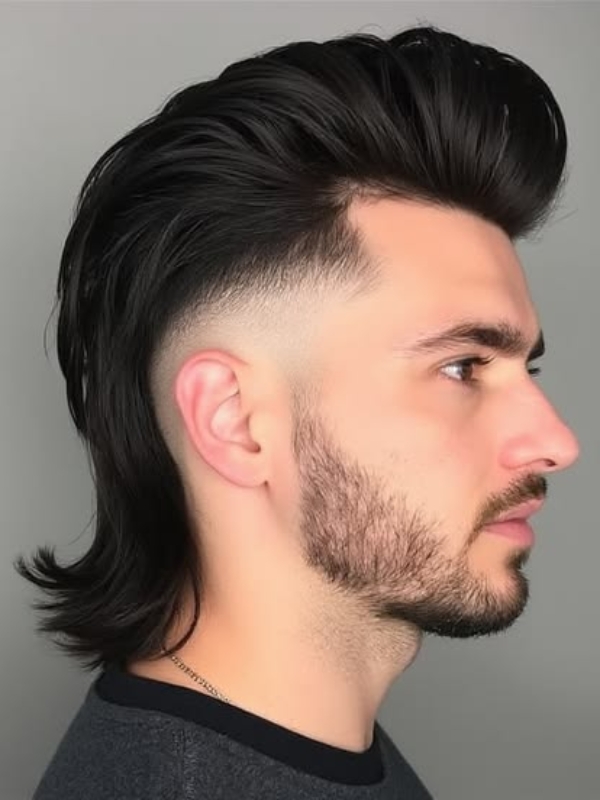
A taper keeps length around the crown and gradually shortens toward the neckline and ears, giving a softer transition than a full fade. This version suits guys who want the mullet shape without an overly sharp or aggressive line, and it grows out more gracefully between barber visits.
Thick Loc Mullet Style
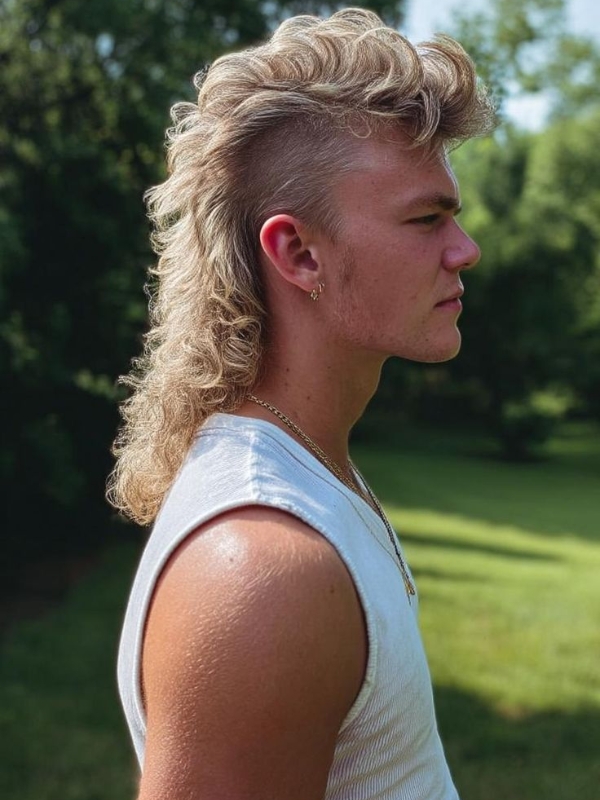
Big, chunky locs make the boldest visual statement on this list. Thick sections create noticeable volume at the crown and a heavier, more dramatic drop in the back. It suits naturally thick or coarse hair well, though thick locs do need more frequent attention since more hair mass means more time to dry and more product to keep the roots tidy.
Dreadlock Mullet Styles Compared
| Style | Best For | Maintenance Level | Grow Out Time |
| Dreadlock Mullet Fade | Sharp, structured looks | Medium | Fade needs touch ups every 2 to 3 weeks |
| Short Dread Mullet | Beginners, low effort routines | Low | Grows into fullness in a few months |
| Long Dread Mullet | Bold, statement styles | High | Can take a year or more to reach full length |
| Dread Mullet with Taper | Softer transitions | Low to Medium | Taper lasts 3 to 4 weeks before a refresh |
| Thick Loc Mullet | Naturally coarse or thick hair | High | Slower to dry, needs regular root maintenance |
How to Look After Dreadlock Mullets
Dreadlock mullets are not a set and forget style. The shorter sides need regular barber visits while the locs in the back need their own dedicated care routine.
Wash With the Right Products
Use a residue free, sulfate free shampoo made for locs. Regular shampoo can leave buildup that weakens the roots and causes a musty smell over time. Aim to wash every one to two weeks once your locs are past the starter stage, and always dry them fully afterward, either by air drying in sunlight or using a hooded dryer, since damp locs left overnight can develop odor or mildew.
Moisturize Without Overdoing It
Locs still need hydration even though they look thick and sturdy. Use lightweight, water based sprays or leave in mists rather than heavy creams, which can build up inside the loc over time. Sealing with a small amount of natural oil, such as jojoba or almond oil, helps lock in moisture without weighing the hair down.
Protect at Night
Friction from a cotton pillowcase is one of the most overlooked causes of frizz and breakage. Sleep with a satin or silk bonnet, scarf, or pillowcase to keep the roots smooth and reduce buildup around the hairline.
Retwist on a Schedule
Retwisting the roots every four to six weeks keeps the mullet shape defined and prevents new growth from loosening the style. Avoid retwisting too often, since overtightening can thin out the roots and lead to breakage or even loc loss over time.
Trim When Needed
Keep the front and sides trimmed regularly to maintain the mullet contrast, and trim the tips of the back locs occasionally to prevent split or thinning ends. If you want the style to hold its shape long term, book barber visits every two to four weeks depending on how fast your hair grows.
Mullet Dreads Styling Tips
- Ask your barber or loctician to section the crown carefully so the transition between short and long hair looks intentional, not accidental
- Use a two toned or subtly dyed back section to add depth and make the mullet shape pop
- Tie the top section up temporarily while shaping the sides so you can check the fade or taper without loc interference
- If your natural hair up front is not locked, a simple comb down or light gel hold blends it into the rest of the style
- Document your loc journey with monthly photos, since the mullet shape often looks more balanced once locs pass the early patchy stage
Final Thoughts
The dreadlock mullet earns its popularity in 2026 because it lets you express personality through texture, length, and shape all at once. Whether you go for a razor sharp fade, a thick and chunky back, or a softer tapered edge, the key to keeping it looking sharp comes down to consistent care: clean washes, light moisture, gentle nighttime protection, and a retwist schedule you actually stick to.
Pick the version that matches your hair type and lifestyle, stay patient through the early growing stages, and your dreadlock mullet will only get better with time.