
A high taper fade is one of the most requested men’s haircuts at barbershops right now, and for good reason. It’s sharp, it’s low maintenance compared to how good it looks, and it works on almost every hair type from pin straight to tight curls.
If you’ve been scrolling through barber Instagram pages wondering what exactly makes this cut different from a low fade or a mid fade, this guide breaks down everything you need to know, from the definition and best styles to how to ask for it and even how to attempt it at home.
What Is A High Taper Fade?
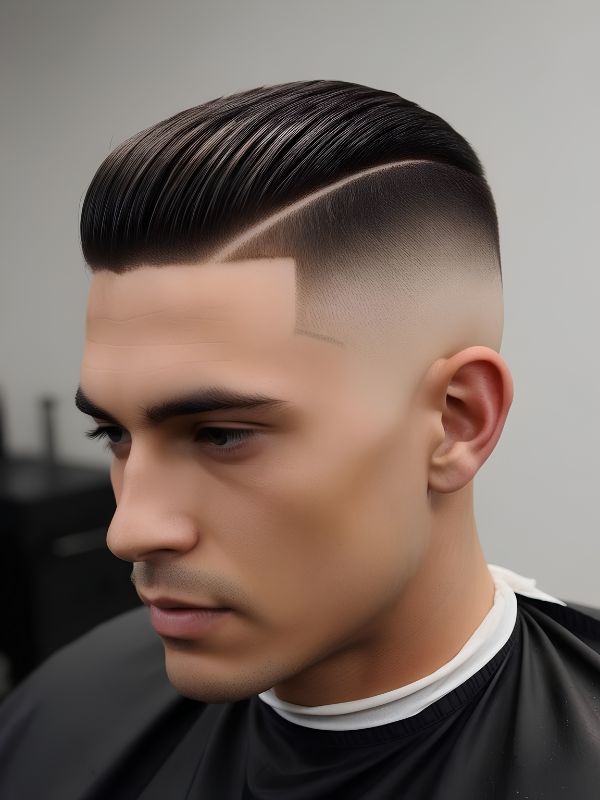
A high taper fade is a men’s haircut where the hair on the sides and back begins tapering down starting near the temples, roughly two to three inches above the ears, and gradually shortens as it moves toward the neckline. The result is a bold contrast between the longer hair on top and the closely cropped sides, without going all the way down to bare skin the way a skin fade does.
Unlike a low taper, which begins its blend right at the ear or neckline, a high taper starts much closer to the crown, so more of the head shows the gradual shortening effect. This makes the cut look sharper and more dramatic while still keeping a soft, blended transition rather than a hard line.
The style has roots in military-style short back-and-sides cuts, and it later became a staple of hip-hop and streetwear culture through the 1990s and 2000s. Today it’s worn just as often in corporate offices as it is on the street, which says a lot about how versatile it’s become.
High taper fades tend to suit round or oval face shapes especially well, since the added height on the sides creates visual length. They also work great on thick or coarse hair because the fade removes bulk and adds structure.
High Taper Fade Styles
Classic High Taper Fade Haircut
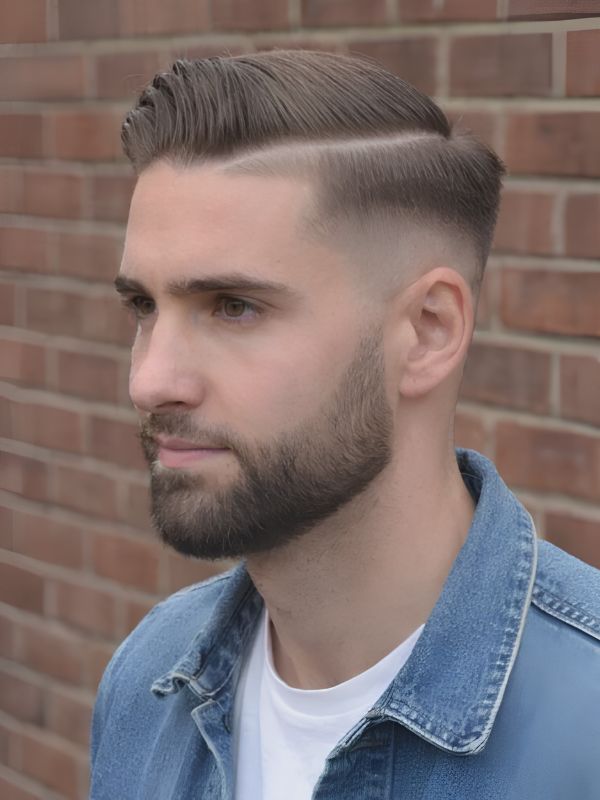
This is the standard version: sides tapered high and clean, top left long enough to comb, brush back, or style with a bit of texture. It’s the safest starting point if you’re new to the cut and want something that reads as polished rather than edgy.
High Taper Fade With Beard
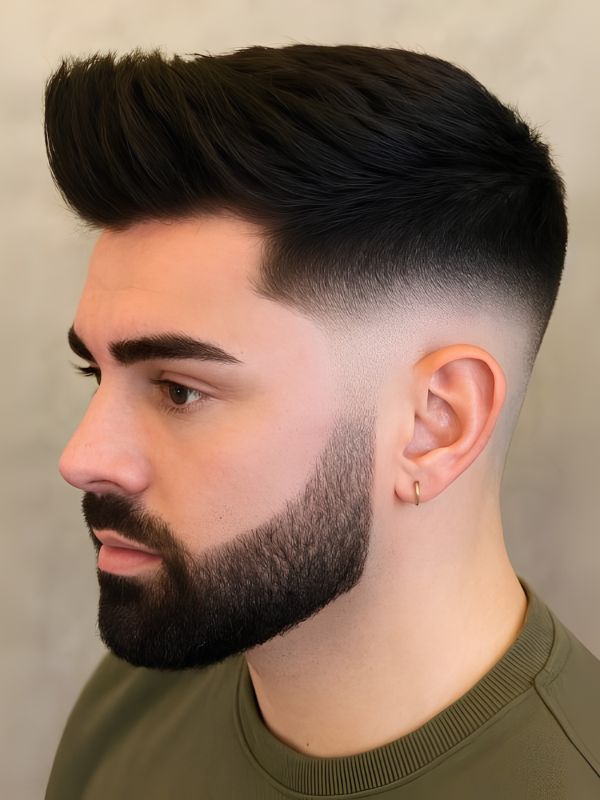
Pairing a high taper with a well-groomed beard creates a balanced, masculine look. The key is keeping sharp lines where the fade meets the beard so the two blend into one clean silhouette instead of looking like two separate styles.
High Taper Fade With Curly Hair
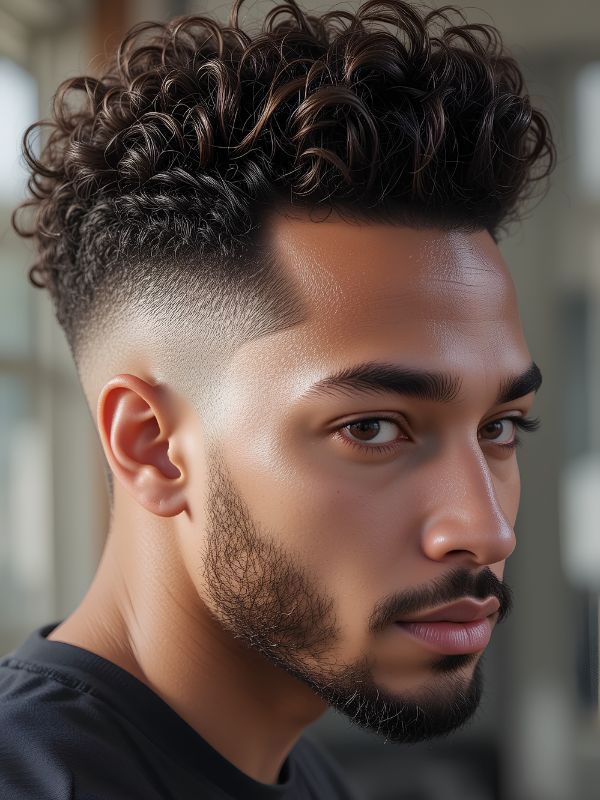
Curly hair and high tapers are a natural match. The tight fade on the sides removes weight and frizz-prone bulk, while the curls on top get to bounce and show natural volume without looking unruly.
High Taper Fade Low
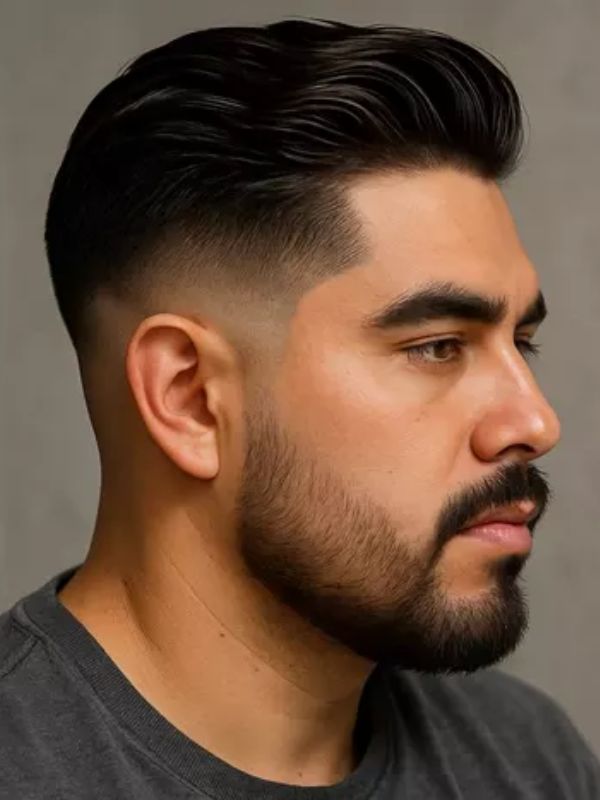
Sometimes called a “high taper fade low” or blended taper, this variation keeps the taper starting point slightly lower than a full high fade but still higher than a traditional low taper. It’s a middle-ground option for guys who want noticeable contrast without an overly bold look.
Also Read This: What Is a Mid Taper Fade Haircut? Types, Styles & Complete Guide (2026)
High Taper Fade With Afro
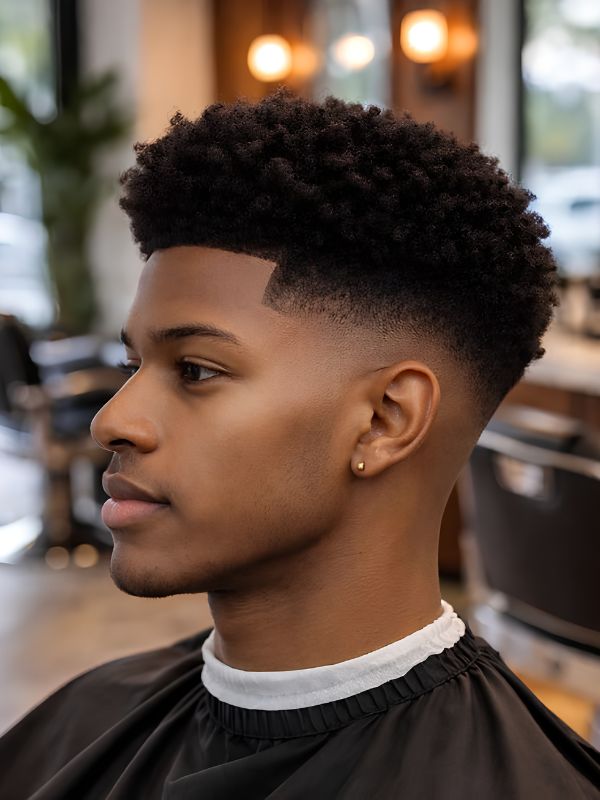
On afro-textured hair, a high taper fade cleans up the sides while letting the top maintain its natural shape and density. It’s a popular choice because it keeps the style low-fuss day to day since the top doesn’t need constant restyling.
High Taper Fade Black
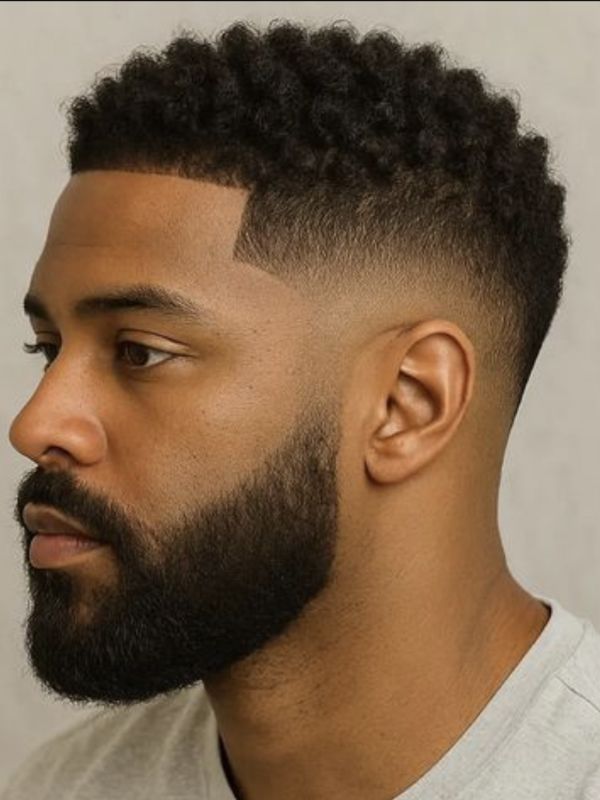
This term usually refers to high taper fades styled specifically for coily or kinky hair textures common among Black men, often finished with a defined hairline, sharp temple fade, and natural top texture rather than a slicked-down style.
High Taper Fade With Waves

For guys working on 360 waves, a high taper keeps the sides crisp while the top pattern stays visible and undisturbed. Brushing routines are easier to maintain since there’s less hair on the sides competing for attention.
Short Hair High Taper Fade

This version keeps the top short too, usually half an inch to an inch, for a tighter, more uniform look. It’s a lower-maintenance styling option since there’s minimal length to manage day to day.
High Taper Fade Vs Low Taper Fade

The biggest difference between these two cuts comes down to where the taper begins and how much contrast it creates.
| Feature | High Taper Fade | Low Taper Fade |
| Starting point | Near the temples, 2–3 inches above the ear | Just above the ears or neckline |
| Contrast level | Bold and dramatic | Subtle and understated |
| Best for | Statement looks, thick or curly hair | Conservative workplaces, first-timers |
| Maintenance frequency | Every 2–3 weeks | Every 3–4 weeks |
| Face shapes it flatters | Round, oval | Square, long |
Neither style is objectively better. It really comes down to how much contrast you want and how often you’re willing to visit the barber to keep it sharp.
How to Get a High Taper Fade Cut

At the Barber Shop
A good barber will start by clipping a guideline around your temples, then blend upward into the longer top hair using progressively larger clipper guards. Expect them to check the blend from multiple angles and clean up the hairline and neckline with a trimmer at the end.
What Should You Ask For
Be specific rather than just saying “high taper fade,” since interpretations vary between barbers. Try:
- Show a reference photo on your phone
- Specify where you want the fade to start (temple height)
- Mention your preferred top length
- Ask for a “blended” finish if you want a softer transition instead of a sharp line
Time & Cost
A high taper fade typically takes 20 to 40 minutes depending on your hair thickness and the barber’s experience. Pricing usually ranges from $25 to $60 in most cities, with premium barbershops charging more for detailed blending work.
How to Do a High Taper Fade (At Home)
Cutting your own high taper fade is possible, but it takes practice and a steady hand. Here’s what you’ll need and how to approach it.
Tools Required
- Clipper set with multiple guard sizes (#0.5 to #4)
- Trimmer for edging and lineups
- Comb for sectioning hair
- Mirror setup (handheld plus wall mirror)
- Cape or old towel
Step by Step Cutting Tutorial
- Start with clean, dry, detangled hair.
- Clip the top section out of the way using hair clips.
- Using a #0.5 or #1 guard, set your guideline about two to three inches above the ear.
- Work the clippers upward in short flicking motions, blending as you go.
- Switch to a slightly longer guard as you move higher toward the top section.
- Blend the transition zone using a clipper-over-comb technique for a seamless finish.
- Clean up the hairline, sideburns, and neckline with a trimmer.
- Check the fade from multiple angles before finishing.
Key Blending Tips for a Clean High Taper Fade
- Never jump more than one guard size at a time
- Keep clipper strokes light and consistent
- Use a comb to lift hair for smoother blending at the transition point
- Take breaks to check symmetry in the mirror
Maintenance And Styling
Touch-Up Compared to Low & Mid Tapers
High taper fades grow out faster visually than low or mid tapers because the shorter zone covers more surface area. Most guys need a touch-up every two to three weeks, compared to three to four weeks for a low taper.
Washing
Wash two to three times a week with a gentle, sulfate-free shampoo. Overwashing can dry out the scalp, especially since more skin is exposed with a high taper.
Recommended Products
- Matte clay or paste for textured, natural finishes
- Pomade for shine and a sleeker look
- Light hold hairspray to lock in style without stiffness
- Scalp moisturizer or oil, since more skin is visible on a high taper
Quick Morning Styling Routine

- Damp down the top section slightly
- Apply a dime-sized amount of product
- Style with fingers or a comb depending on desired texture
- Optional: blast with a blow dryer for lift and volume
Conclusion
A high taper fade is a sharp, versatile haircut that works across nearly every hair type and face shape, whether you’re pairing it with a beard, waves, curls, or an afro. It offers more contrast and edge than a low taper while still staying professional enough for everyday life.
Whether you get it done at a barbershop or attempt it at home, understanding where the fade should start and how the blend should flow will help you walk away with a cut that actually looks the way you pictured it.