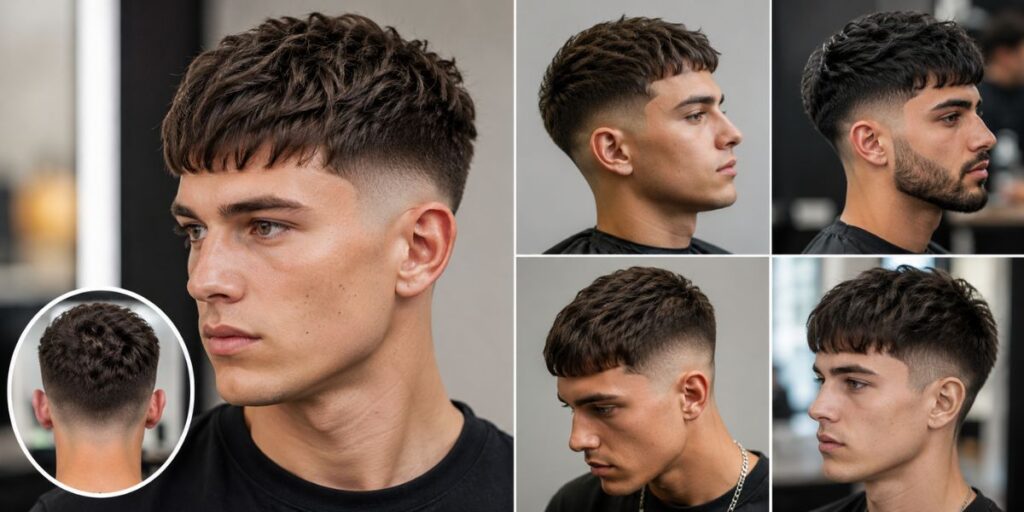
The French crop taper fade haircut is one of the most requested men’s cuts in barbershops right now. It pairs a short, textured fringe on top with a clean taper fade on the sides, giving you a look that works for the office, the gym, and everything in between.
This guide covers every version of the cut, how to ask for it, and how to keep it sharp between visits.
What Is a French Crop Taper Fade Haircut?
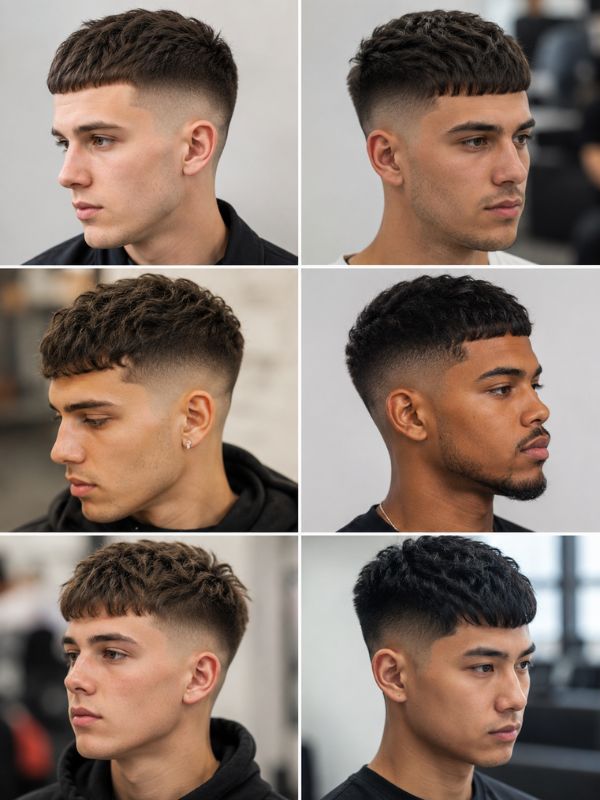
The French crop taper fade combines two separate techniques into one hairstyle. The French crop refers to the top section: short, often textured hair that ends in a blunt or choppy fringe across the forehead.
The taper fade refers to the sides and back, where hair gradually shortens from the crown down to the skin or near skin at the neckline and ears.
Put together, you get a cut that looks structured on top and clean on the sides, with no harsh lines connecting the two.
It suits straight, wavy, and curly hair, and it works whether you keep the top short and low fuss or longer with more texture and movement.
The History of the French Crop Hairstyle
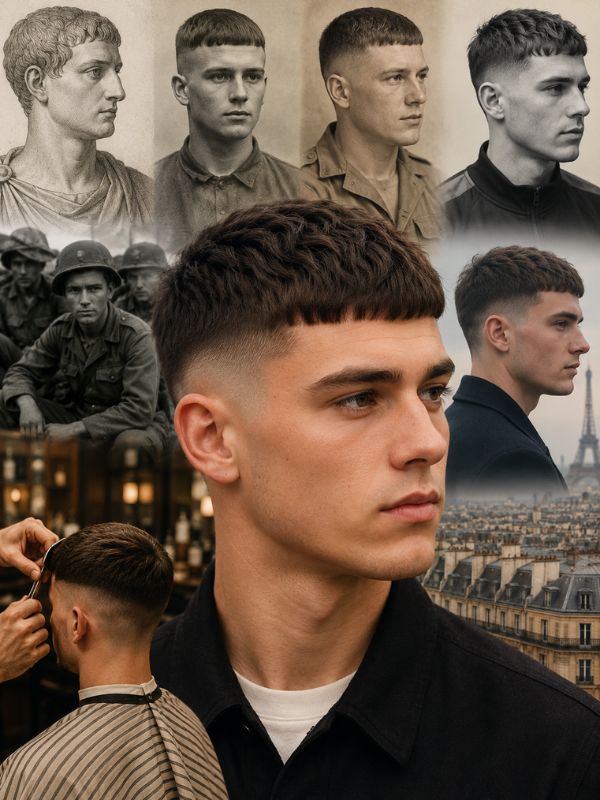
The French crop traces back to military grooming standards, where short, functional hair was a necessity rather than a style choice.
Barbers later refined the cut, adding shape and a defined fringe, turning a practical haircut into something with real personality.
The modern surge in popularity is often linked to period television, where characters wore a slicked, textured crop with tight sides.
From there, the style moved into mainstream barbershops and social media, where it evolved further with the addition of taper and skin fades on the sides.
Also Read This: High Blowout Fade Haircut: Barber Techniques, Styling Tips & Step-by-Step Guide (2026)
Why Choose the French Crop with Fade?
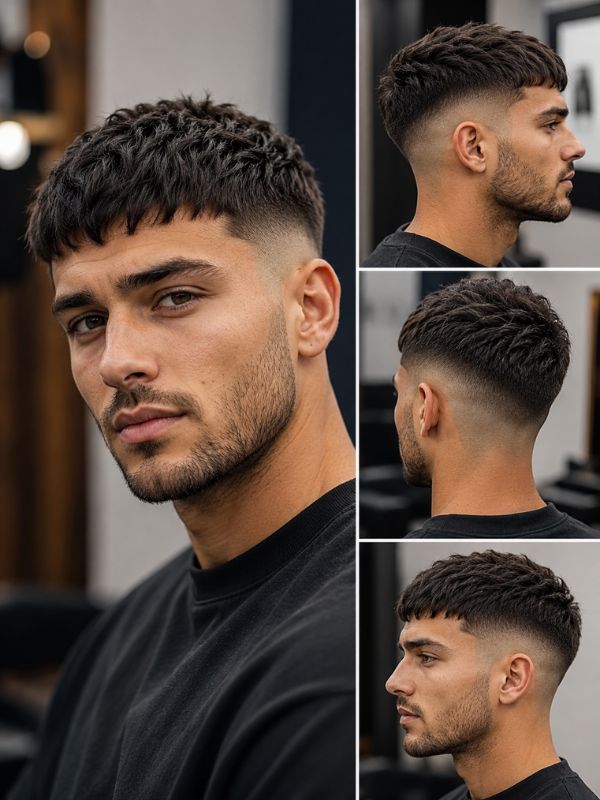
Men gravitate toward this cut for a few practical reasons:
- It requires minimal daily styling once the shape is cut correctly
- It flatters nearly every face shape when the fringe and fade are adjusted properly
- It transitions easily between professional and casual settings
- It works on straight, wavy, curly, and coily hair textures
- It grows out cleanly, so the transition between barber visits is less noticeable
Because the top can be styled sleek or messy, the cut also offers flexibility that a lot of short hairstyles do not.
Popular Style Variations and Examples
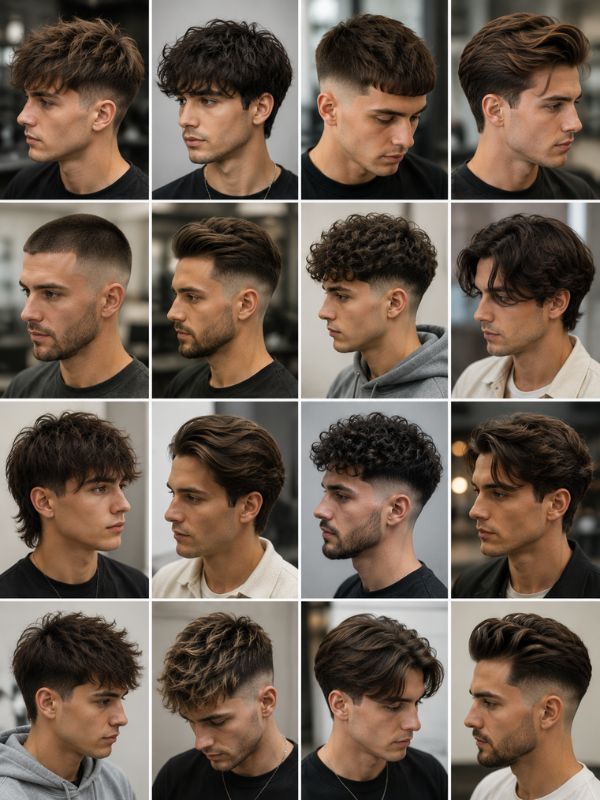
Low Taper French Crop
The low taper starts just above the ear and blends down to the neckline. It is the most conservative version, ideal for corporate environments or anyone who prefers subtle contrast between the top and sides.
Mid Taper French Crop
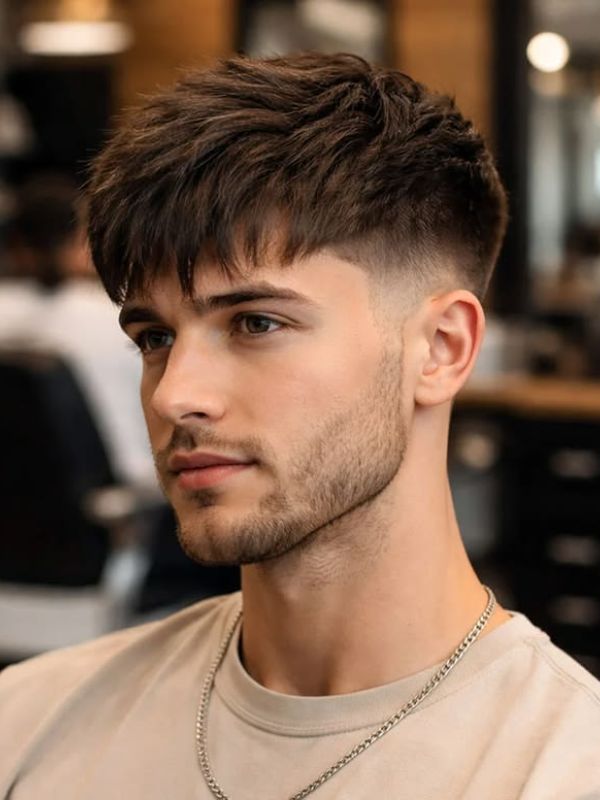
The mid taper begins around the temple, offering more visible contrast without going too bold. This is often considered the most balanced and versatile option, working well for round and oval face shapes.
High Taper or Skin Fade Crop
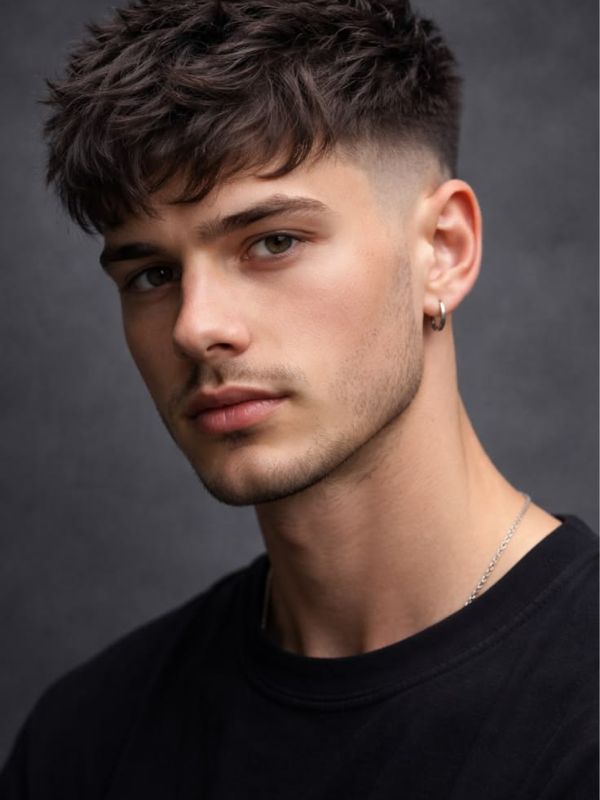
The high taper starts near the crown, creating the sharpest contrast and putting more visual focus on the top. This version suits angular faces and strong jawlines and reads as a more fashion-forward choice.
Textured, Curly, or Wavy Crop Styles
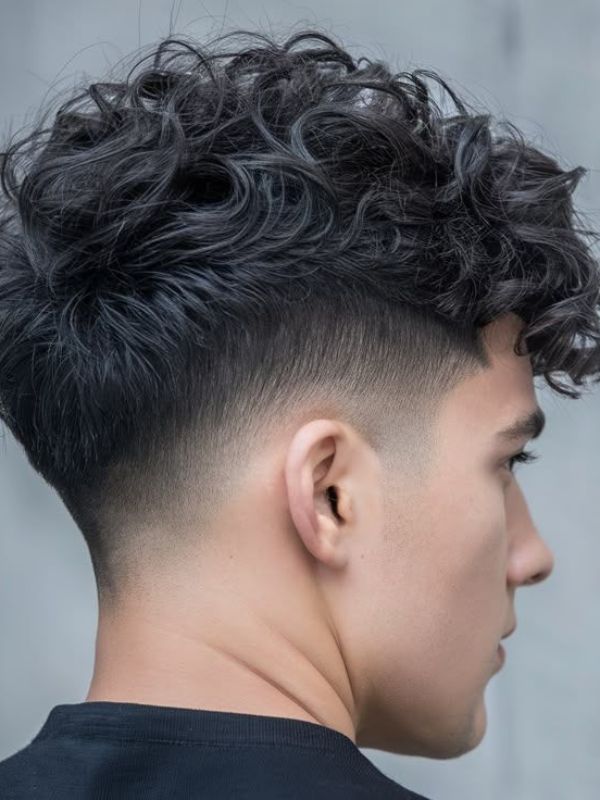
For men with natural texture, the crop keeps the sides controlled while letting the top show off curl pattern or wave. Curl-defining cream or a light mousse applied to damp hair helps maintain shape without flattening natural movement.
Here is a quick comparison of the main taper heights:
| Taper Level | Fade Starting Point | Best For | Maintenance |
| Low Taper | Just above the ear | Professional, subtle looks | Every 3 to 4 weeks |
| Mid Taper | Around the temple | Balanced, everyday wear | Every 2 to 3 weeks |
| High/Skin Fade | Near the crown | Bold, statement styles | Every 1 to 2 weeks |
French crop high fade
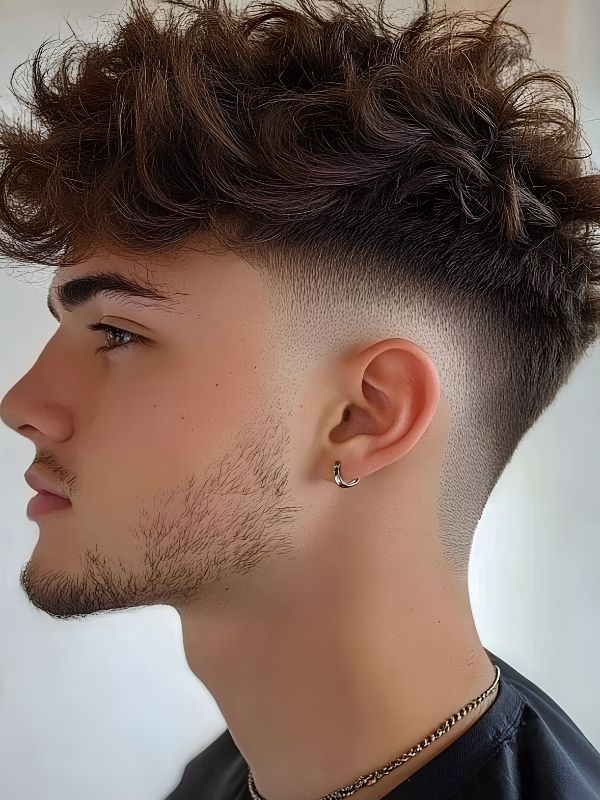
A French crop paired with a high fade delivers the most dramatic version of this cut. The skin fade climbs close to the crown, so the textured top appears fuller and the fringe stands out more sharply against the sides.
French crop taper fade haircut curly hair
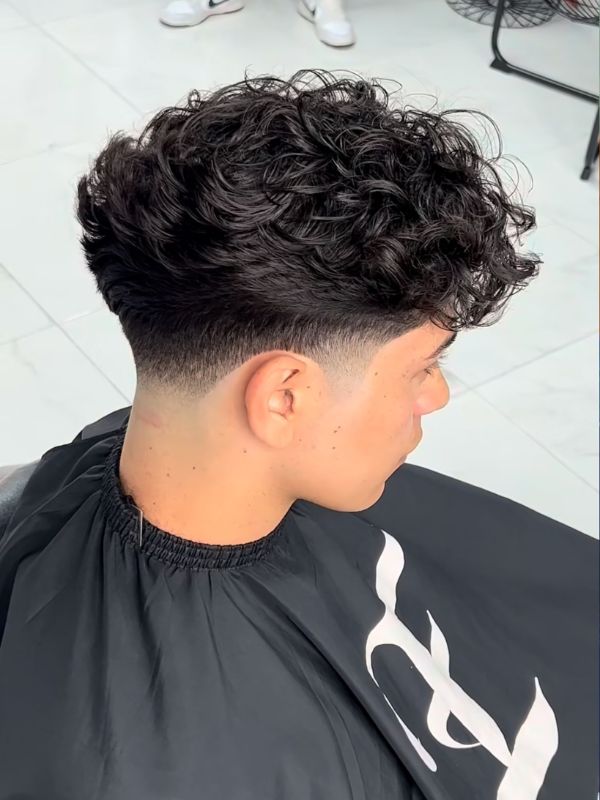
For curly hair, the crop structure keeps volume in check while the taper fade removes bulk from the sides. This combination is popular with athletes and anyone who wants low maintenance styling without losing natural curl definition.
Who Suits the French Crop Taper Fade Haircut?
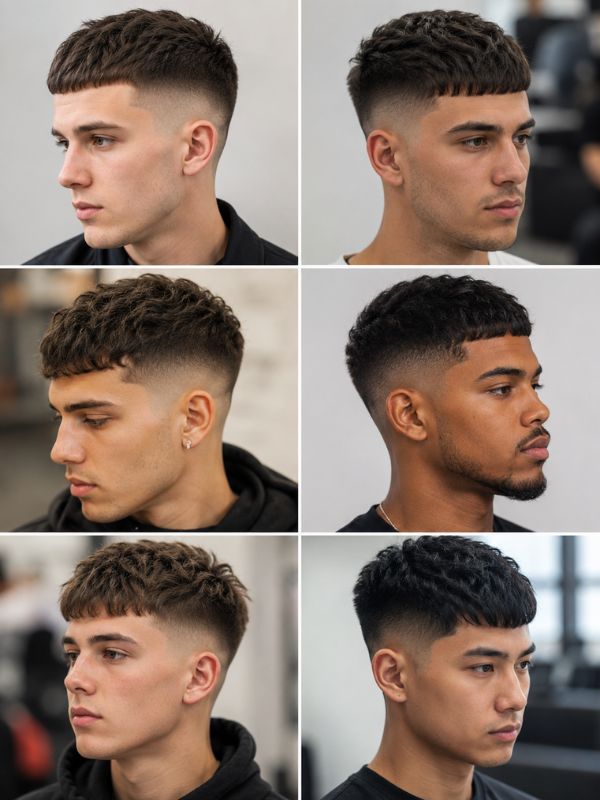
Almost anyone can wear this cut, but small adjustments make it work better for different face shapes:
- Round faces benefit from added height and texture on top to elongate the face
- Square faces look best with a softer fringe and a low or mid taper
- Oval faces can wear nearly any version, from tight tapers to longer textured tops
- Angular or defined jawlines pair well with high fades for added contrast
Hair type matters too. Thick hair holds texture well and suits longer fringes, while fine hair often looks sharper with a shorter, cropped top.
What to Tell Your Barber and How to Order It
Communicate Clearly
Walking in with vague direction is the most common reason this haircut goes wrong. Say something specific, such as: “I want a French crop with a low taper fade on the sides and back, and a short, textured fringe on top.”
Use Guard Numbers
Ask your barber which clipper guard they plan to use for the base length, and confirm the fade transition point (ear level, temple, or crown).
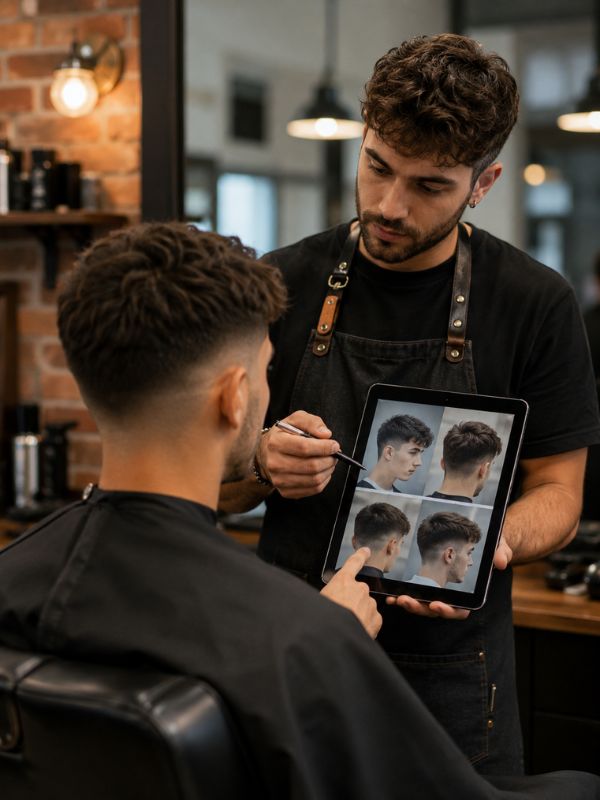
Show Reference Photos
Bring one or two clear reference images. This removes guesswork and helps your barber match the fringe length and fade height you actually want.
Confirm Fringe Style
Let your barber know if you want the fringe blunt, choppy, textured, or messy, since this changes how the top is cut and finished.
Step-by-Step Barber Process
- Preparation: Hair is washed and sectioned, with the barber assessing growth pattern, density, and natural texture.
- Taper Fade: Clippers blend the sides and back from short to long, working from the neckline and ears upward.
- Crop Top: The top is cut to a uniform short length, usually with scissors over comb for control.
- Fringe Shaping: The front fringe is shaped and blunted or textured depending on the requested finish.
- Texture and Finish: A razor or thinning shears may be used to remove bulk, followed by styling product to show the final shape.
Styling and Maintenance Tips
Daily Styling Routine
Start with towel-dried hair, apply a small amount of product, and shape with fingers for a natural finish or a comb for a sharper look. This cut typically takes under five minutes to style each morning.
Best Products
- Matte clay or paste for a natural, non-shiny hold
- Texturizing spray for volume and grip
- Sea salt spray for wavy or messy finishes
- Curl cream for naturally curly hair types
Trimming Schedule
Trim the fringe every two to three weeks to keep it from covering the eyes, and touch up the fade every one to four weeks depending on how high the taper sits.
Heat vs. Natural Finish
Heat styling with a blow dryer and round brush creates a smoother, more polished fringe, while air drying keeps more natural texture and works better for wavy or curly hair.
Conclusion
The French crop taper fade haircut earns its popularity by combining a sharp, textured top with clean, versatile sides. Whether you choose a low taper for the office or a high skin fade for a bolder statement, this cut adapts to nearly any face shape, hair type, and lifestyle. Bring clear references to your next barber visit, keep up with regular trims, and you will have a low-maintenance style that looks intentional every single day.