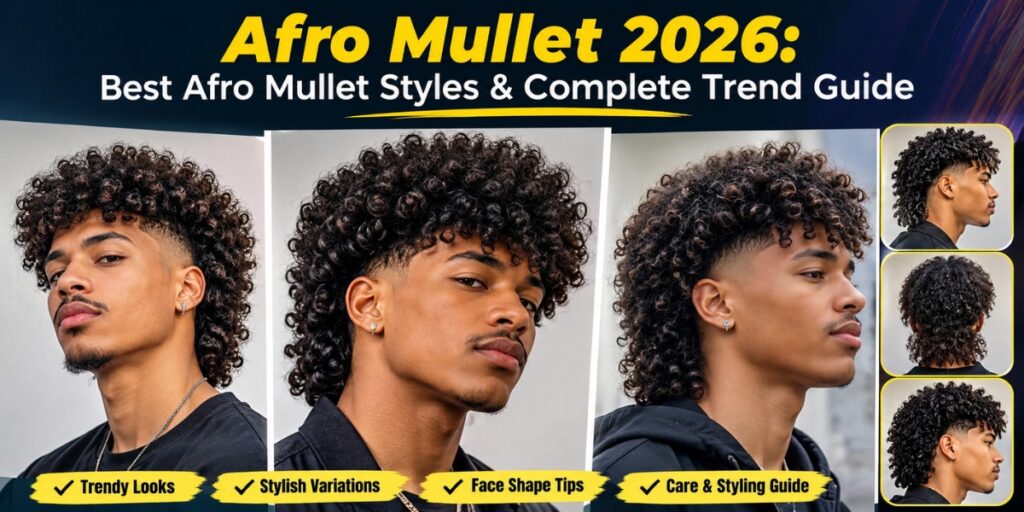
The afro mullet is one of the boldest hairstyle stories of 2026, and it’s not slowing down. It takes the volume, spring, and personality of natural afro texture and pairs it with the short front, longer back structure that made the mullet a cultural icon in the first place. The result is a cut that feels rebellious yet completely wearable, whether you’re heading into the barber chair for the first time or looking to refresh a style you already love.
Unlike the flat, one dimensional mullets of decades past, today’s afro mullet is shaped around curl pattern, density, and face shape. Barbers now treat every zone of the head, crown, sides, and back, as its own design element. That’s what makes this guide different: instead of listing generic trims, we break down the exact variations trending in 2026, how to choose one for your hair type, and how to actually keep it looking sharp between visits.
What Is an Afro Mullet
An afro mullet is a hairstyle that combines classic mullet proportions, short on top and sides, longer at the back, with the natural coil, curl, or kink pattern of afro textured hair. Instead of relying on straight or wavy strands for movement, the style leans on natural volume to create shape. It works for men and women, suits most face shapes with the right adjustment, and can be dressed up with a sharp fade or kept loose and textured for a softer finish.
The style first gained traction through 80s music culture, then resurfaced through hip hop and R&B icons over the years. In 2026, social media and celebrity barbers have pushed it back into the spotlight, this time with far more precision cutting and product innovation behind it.
Best Afro Mullet Hairstyles: Timeless Variations for 2026
Below are the standout afro mullet variations barbers are booking the most this year. Each one adjusts the classic silhouette differently, so pick the one that matches your curl pattern, maintenance routine, and personal style.
Afro Burst Fade Mullet
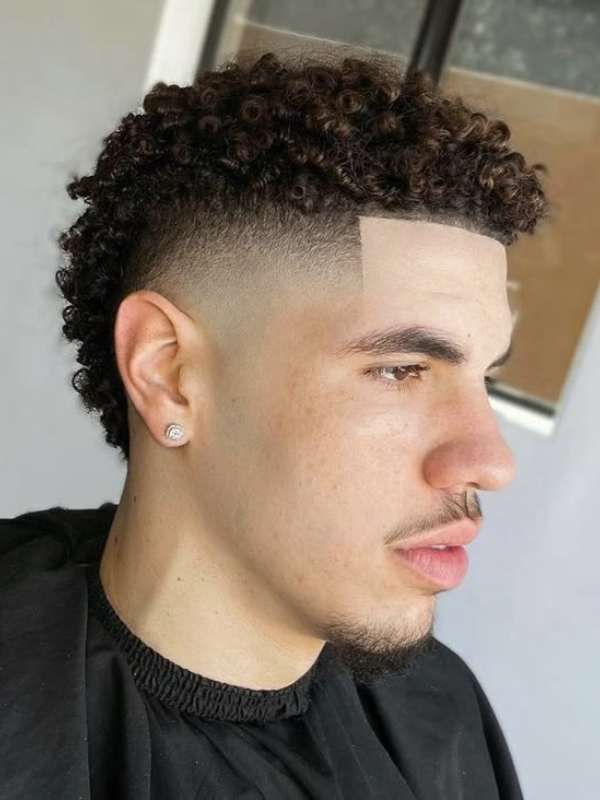
This version wraps a burst fade around the ear, curving the hairline into a semicircle while the back stays long and full. It creates a sharp, high contrast look that suits coarse, curly, or tightly coiled hair especially well. Because the fade is concentrated near the ear rather than running straight across the side, it gives the whole cut a rounder, more athletic silhouette.
Afro Curly Mullet
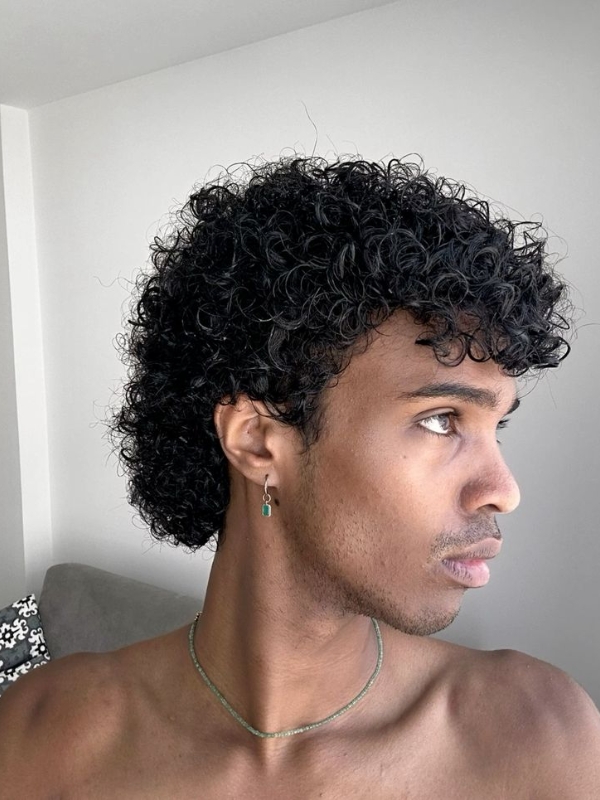
Here, the top is left long and completely natural while the sides are trimmed down, letting the curls at the back fall loosely for a soft, lived in finish. It suits 3B to 4C curl patterns particularly well, since natural texture supplies the height and bounce that gives the style its shape without heavy styling.
Afro Taper Mullet
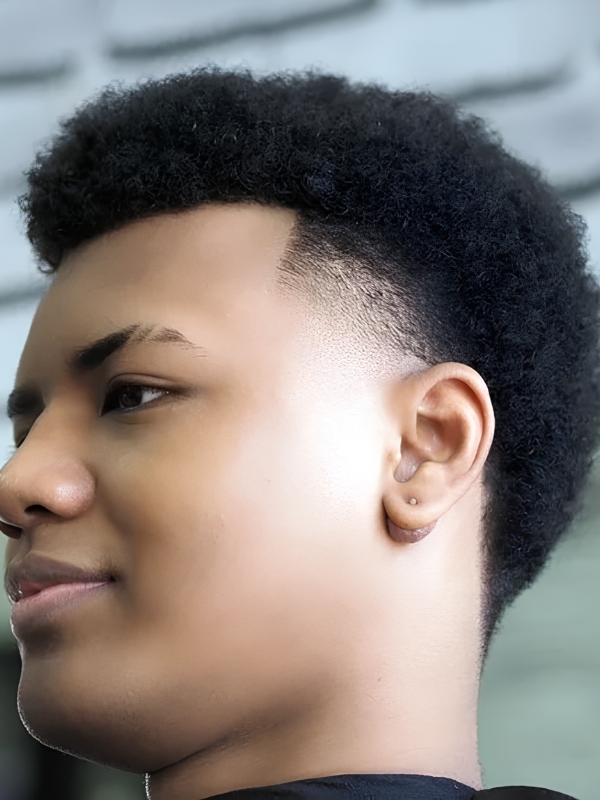
A taper mullet swaps the skin fade for a gradual blend, which keeps the look polished enough for professional or conservative settings while preserving the mullet outline. Low tapers give a smooth, subtle finish, mid tapers balance bulk and structure, and high tapers add more drama. This is a strong pick for anyone who wants definition without going too short.
Afro V Back Mullet
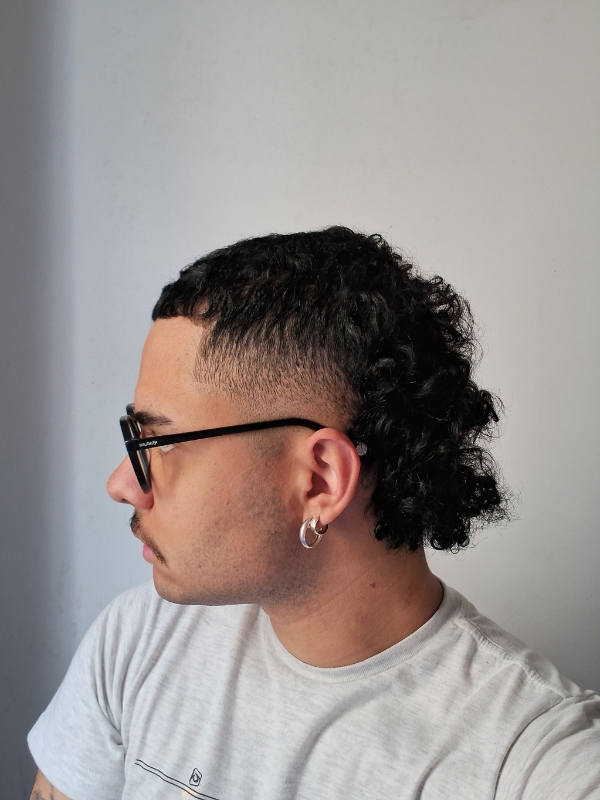
The defining feature here is a sharp V shaped point cut into the back, which adds a geometric, artistic edge to the natural curl. It’s usually paired with tapered or faded sides so the point stands out clearly. This style works best on medium to long afro curls, where the outline of the V has enough length to actually show.
Also Read This: 11+ Shaggy Mullet Hairstyles 2026 | Modern Messy & Layered Mullet Styles
Afro Layered Mullet
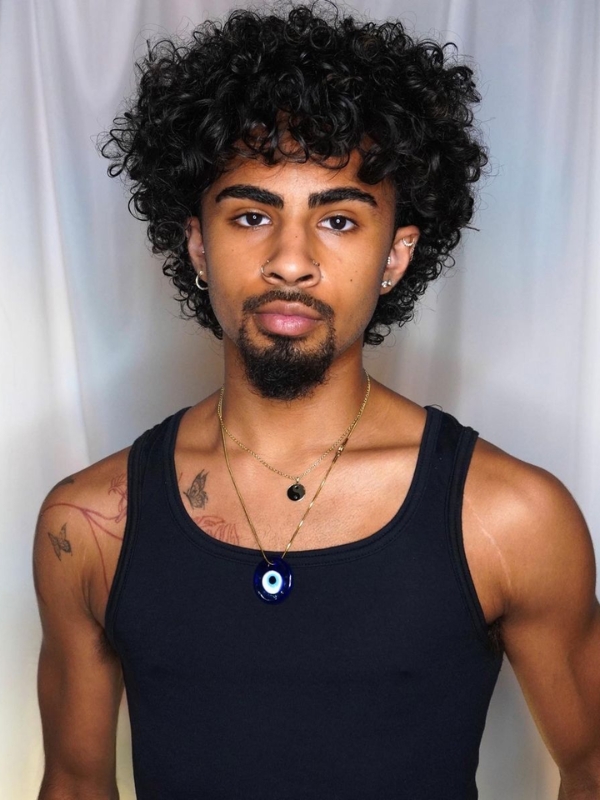
Layering is used throughout the top, sides, and back to reduce bulk and encourage better curl movement. It’s particularly effective on medium to long afros, since the layers help direct curls into a defined mullet shape instead of one dense mass. This is often the go to choice for people who want volume without the hair looking heavy.
Afro Mullet Fade
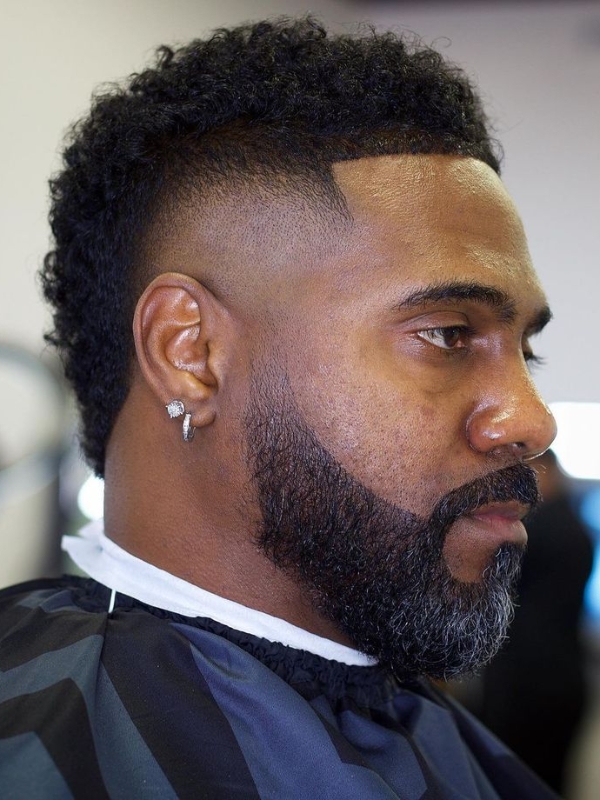
A broader category than the burst fade alone, this covers any afro mullet finished with a fade rather than a scissor cut on the sides. Fades create instant contrast between the short sides and long back, sharpening the entire silhouette and making the style easier to maintain between barber visits.
Afro Mullet for Black Men
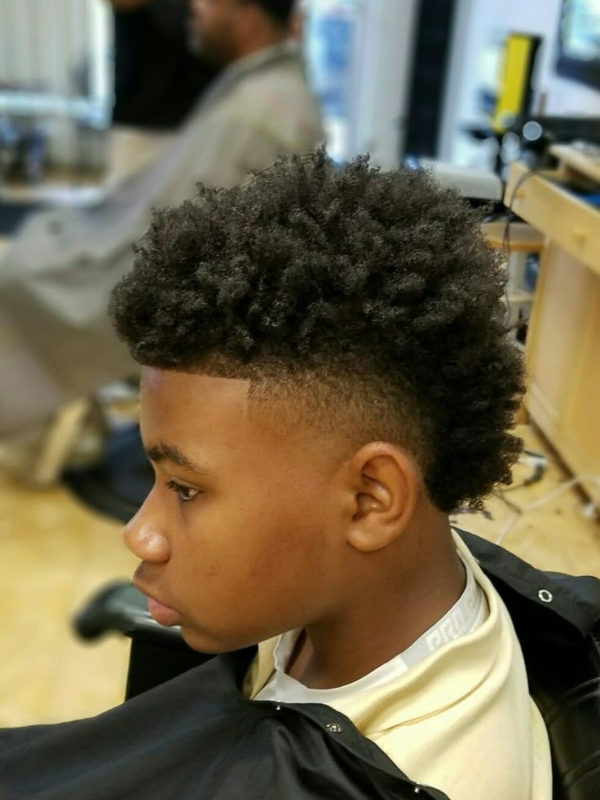
This is less a single style and more a category built around the density and curl pattern common in black men’s hair. It typically pairs a fade or taper with a fuller back section, and it’s highly customizable, curls, coils, and kinks can all be shaped through tapering, layering, or a burst fade depending on preference.
Short Afro Mullet
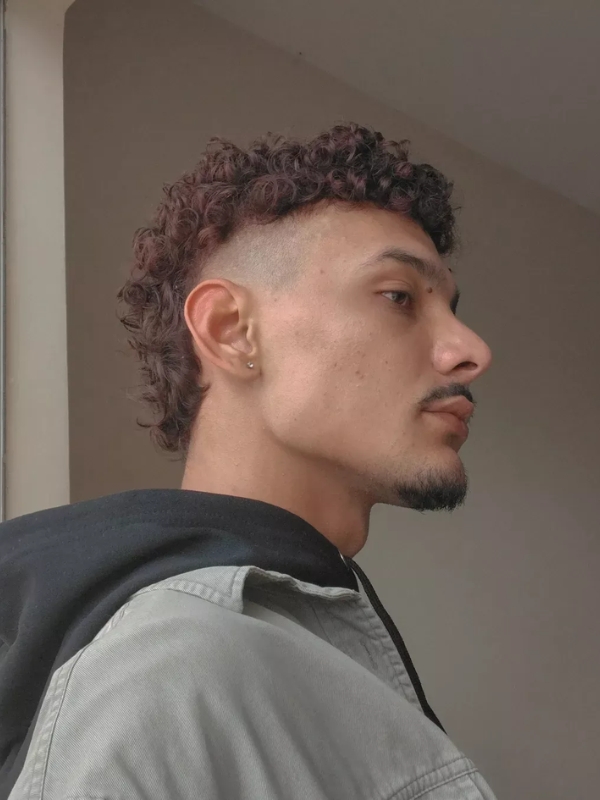
For anyone not ready to commit to serious length, the short afro mullet keeps the back only slightly longer than the sides. It offers a subtler nod to the trend, easier to maintain, quicker to grow out of if you change your mind, and still instantly recognizable as a mullet.
Afro Mullet Style Comparison
| Style | Best Hair Type | Maintenance Level | Vibe |
| Afro Burst Fade Mullet | Coarse, curly, coily | Medium to high | Bold, athletic |
| Afro Curly Mullet | 3B–4C curls | Low to medium | Soft, natural |
| Afro Taper Mullet | Most curl types | Medium | Polished, professional |
| Afro V Back Mullet | Medium to long curls | Medium | Sharp, artistic |
| Afro Layered Mullet | Medium to long afros | Medium | Voluminous, dynamic |
| Short Afro Mullet | Any curl type | Low | Subtle, easygoing |
Top Afro Mullet Hairstyle Tricks
A few small choices make the difference between a mullet that looks intentional and one that looks unfinished.
- Ask for zone specific cutting. Treat the crown, sides, and back as three separate sections so each keeps the right amount of weight and length.
- Match the fade to your face shape. Rounder faces often benefit from higher fades, while square or angular faces can handle a lower, softer blend.
- Use curl defining cream, not gel. Heavy gel weighs coils down and can make the back look flat instead of full.
- Diffuse, don’t drag dry. A diffuser attachment preserves curl pattern; a regular blow dryer nozzle can loosen or frizz it.
- Don’t skip the sides between cuts. Even if you love the back length, overgrown sides make the whole cut look unstructured within a few weeks.
- Bring reference photos to your barber. Afro mullets vary enormously, so a clear picture avoids miscommunication about how dramatic the fade or V shape should be.
Afro Mullet Care and Maintenance Manual
Afro textured hair behaves differently from straight or wavy hair, so the maintenance routine needs to reflect that.
Washing: Use a sulfate free shampoo once every seven to ten days. Washing too often strips natural oils that afro hair relies on for moisture.
Conditioning: Deep condition weekly to reduce breakage and keep curls defined. Leave in conditioner is especially useful for taming the longer back section.
Moisturizing: Apply a lightweight moisturizer or curl cream daily, or every other day if your curls tend to hold moisture longer. Afro hair dries out faster than other textures, so consistency matters more than product quantity.
Detangling: Use fingers or a wide tooth comb on damp, conditioned hair, always working from the ends upward to avoid unnecessary breakage.
Trimming schedule:
- Trim or clean up the sides and fade every two to three weeks to keep the contrast sharp.
- Reshape the crown and top layers every four to six weeks.
- Trim the back only occasionally, roughly every two to three months, since that length is the foundation of the style.
Night care: Sleep with a satin or silk cap, or use a satin pillowcase, to cut down on friction and frizz overnight.
Styling for definition: Use a small amount of curl cream on damp hair and either finger coil sections or diffuse dry for bounce without stiffness.
Conclusion
The afro mullet earns its place as one of 2026’s most versatile cuts because it isn’t a single look, it’s a framework you can shape around your own curl pattern, face shape, and lifestyle.
Whether you gravitate toward the sharp geometry of a V back mullet, the effortless bounce of a curly mullet, or the low commitment ease of a short afro mullet, the foundation stays the same: short structured sides, a defined crown, and a longer back that celebrates natural texture.
Bring the variation that speaks to you into your next barber appointment, stay consistent with trims and moisture, and this cut will keep looking fresh well beyond this year’s trend cycle.