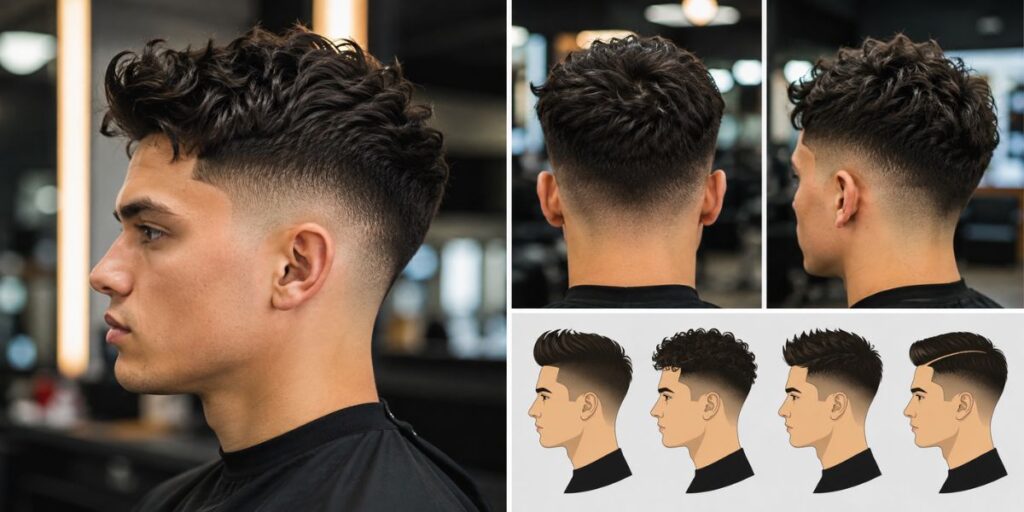
If you want a haircut that looks sharp without screaming for attention, the mid taper fade is probably the answer. It sits right in that sweet spot between the barely there low fade and the bold, high contrast skin fade, which is exactly why it has become one of the most requested cuts at barbershops in 2026.
This guide breaks down everything you need to know: what the cut actually is, the most popular variations, how it compares to a low taper fade, what to expect at the barbershop, and how to manage it at home if you want to try it yourself.
What Is a Mid Taper Fade?
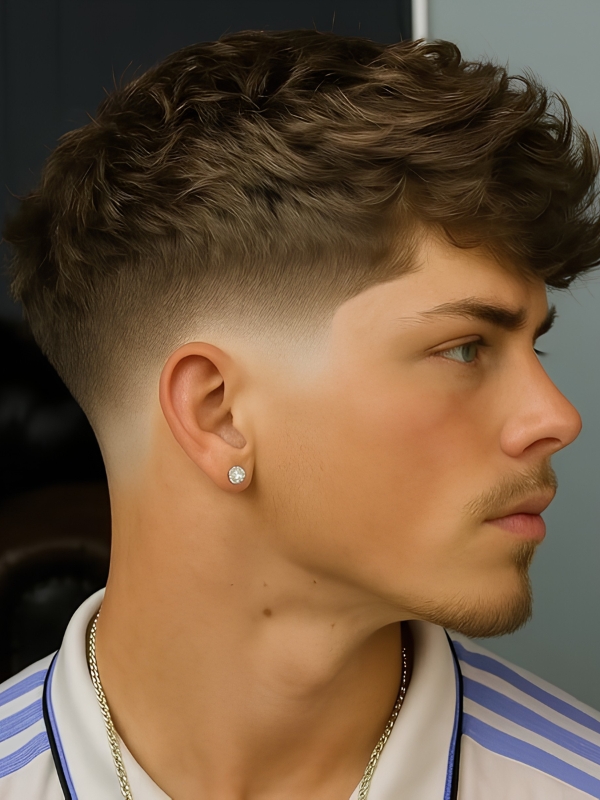
A mid taper fade is a men’s haircut where the hair on the sides and back begins shortening at the midpoint between the temple and the ear, then blends gradually down toward the hairline. Unlike a high fade, it doesn’t create dramatic contrast near the crown, and unlike a low fade, it doesn’t stay conservative and close to the ears. It lands right in the middle, which is where the name comes from.
The top can stay as long or short as you like, so the mid taper works with almost any hair type, whether it’s straight, wavy, curly, or coily. Barbers typically use clipper guards in the #1 to #3 range for the blend zone, tapering down toward skin or a very short guard near the neckline for a smooth, seamless finish.
Mid Taper Fade Types

There isn’t just one way to wear a mid taper. Below are the most popular variations barbers are cutting right now.
Classic Mid Taper Fade
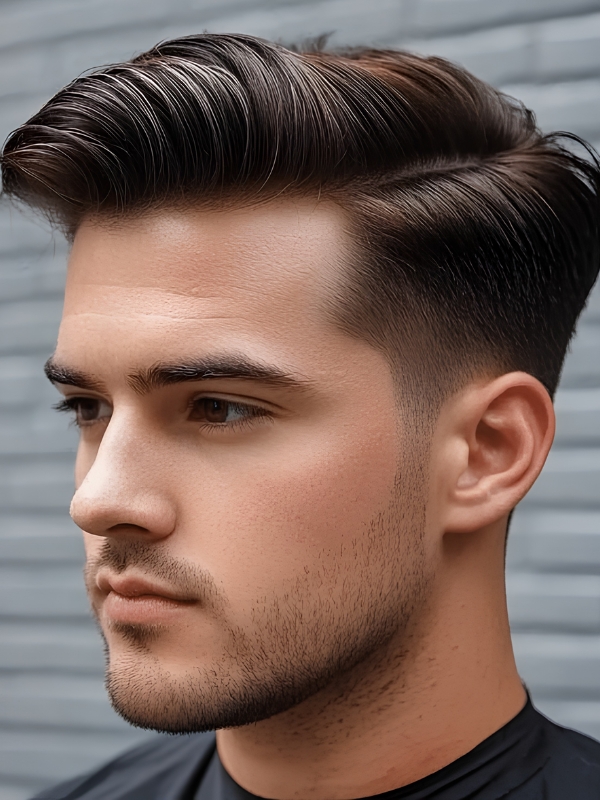
This is the standard version: short, tight sides that taper from the middle of the head down to the neckline, paired with a slightly longer top that can be brushed back, styled forward, or left textured. It’s the most versatile option and works for almost any setting, from the office to a night out.
Mid Taper Fade with Beard
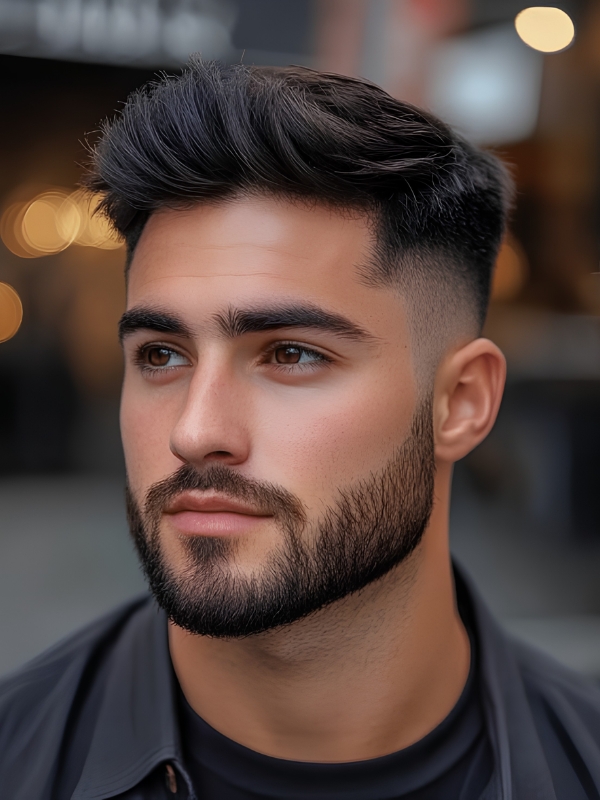
Pairing a mid taper with a well-groomed beard creates a connected, polished look. Barbers usually blend the beard line into the fade so there’s no harsh separation between the hair and facial hair, giving the whole style a unified, intentional shape.
Mid Taper Fade Curly Hair
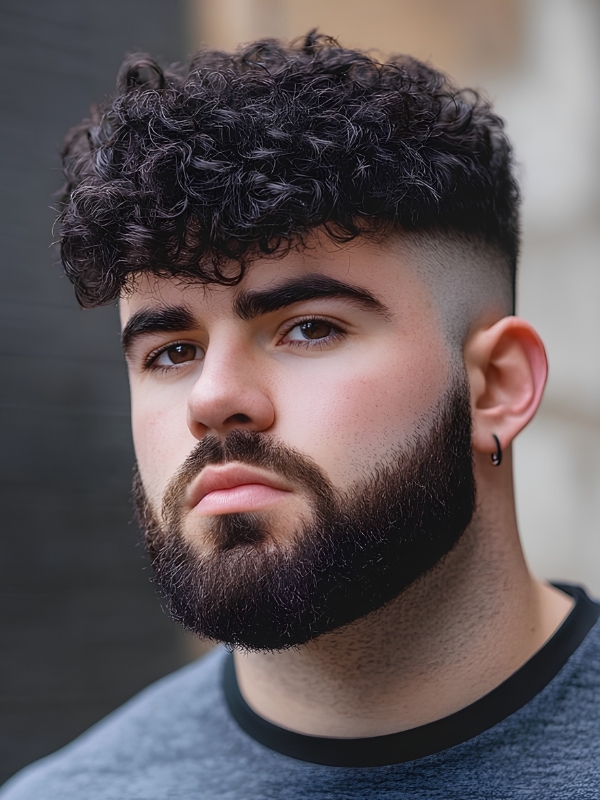
Curly hair holds volume beautifully with a mid taper because the fade keeps the sides controlled while the curls on top get room to bounce and define themselves naturally. A light curl cream or definer helps keep the pattern crisp without weighing it down.
Mid Taper Fade with Waves
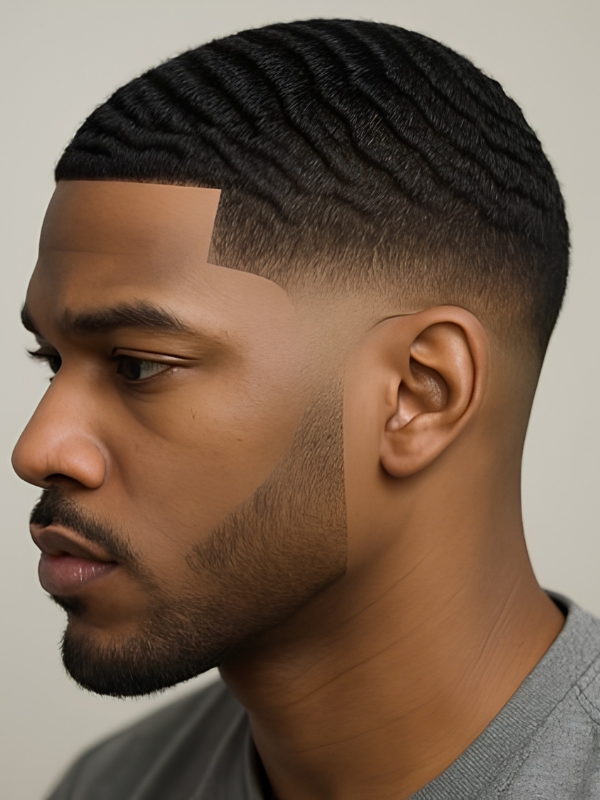
For guys chasing that 360 wave pattern, a mid taper cleans up the sides while leaving enough length on top to brush and train the waves. Regular brushing combined with a durag or wave cap at night keeps the pattern sharp between trims.
Mid Taper Fade Low Cut

This version keeps the top short too, often just an inch or less, so the entire haircut feels uniform and low maintenance. It’s a favorite for guys who want a clean, no fuss look that still has shape and dimension.
Also Read This: 19 Cool Low Taper Fade Mullet Haircuts for Men That Are Trending (2026)
Mid Taper Fade Afro
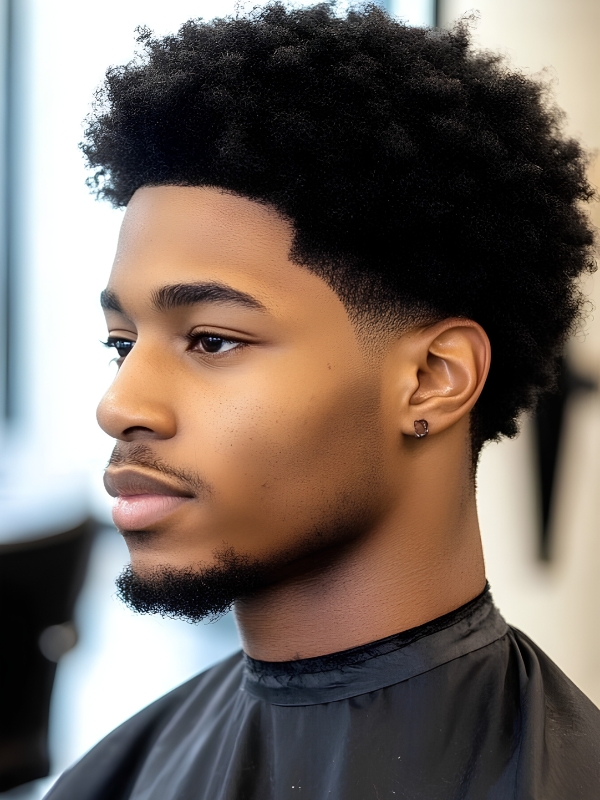
On natural afro textured hair, the mid taper keeps the sides neat while allowing the top to grow into a rounded, voluminous shape. It’s a striking contrast between structured sides and free flowing volume on top.
Mid Taper Fade Haircut Black Men
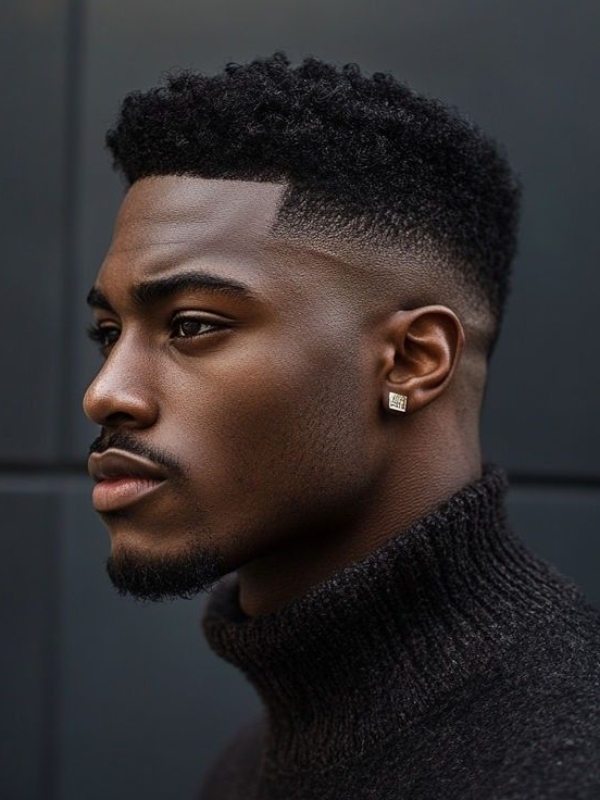
This is less a single style and more a category, since mid taper fades are extremely popular among Black men because they work so well with coily and curly textures. Common pairings include a mid taper with a fringe, a mid taper with design lines, or a mid taper paired with twists or braids on top.
Mid Taper Fade vs Low Taper Fade
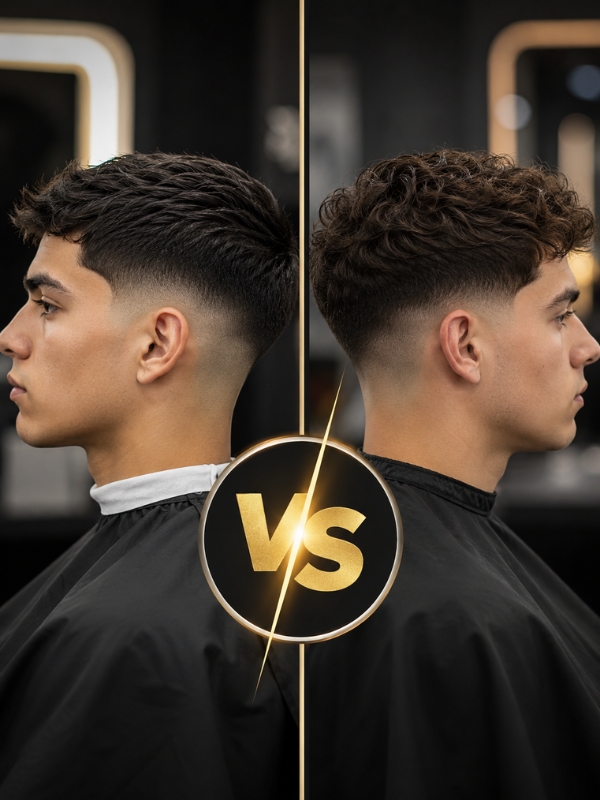
People often confuse these two cuts, so here’s a side by side comparison to clear things up.
| Feature | Mid Taper Fade | Low Taper Fade |
| Fade starting point | Midway between temple and ear | Near the ears, close to the hairline |
| Contrast level | Moderate to noticeable | Subtle and understated |
| Best for | Guys who want visible shape and structure | Guys who prefer a conservative, low key look |
| Maintenance frequency | Every 2 to 4 weeks | Every 3 to 5 weeks |
| Workplace friendliness | Suitable for most offices | Extremely conservative, ideal for formal settings |
Key Differences
- A mid taper fade starts higher on the head, creating more visible contrast between the top and sides.
- A low taper fade stays close to the ears, growing out more gracefully and needing fewer touch ups.
- The mid taper gives barbers more room to add design elements like hard parts or line ups.
Which Suits Which Face Shape
- Round face: A mid taper adds height and angles that help elongate the face.
- Square face: Either style works well, though a mid taper with more length on top softens strong jawlines.
- Oval face: Almost any variation of the mid taper suits an oval face shape.
- Long face: A low taper fade with more width on the sides can help balance proportions better than a mid taper.
Mid Taper Fade Lifestyle
Beyond the technical details, the mid taper has become a lifestyle statement. It’s low maintenance enough for guys with busy schedules but sharp enough to photograph well, which is part of why it dominates barbershop reference boards and social media grooming trends.
It transitions easily from a gym session to a business meeting without needing a full restyle, and it pairs naturally with beards, hats, and most hair textures without losing its shape.
How to Get a Mid Taper Fade at a Barber Shop
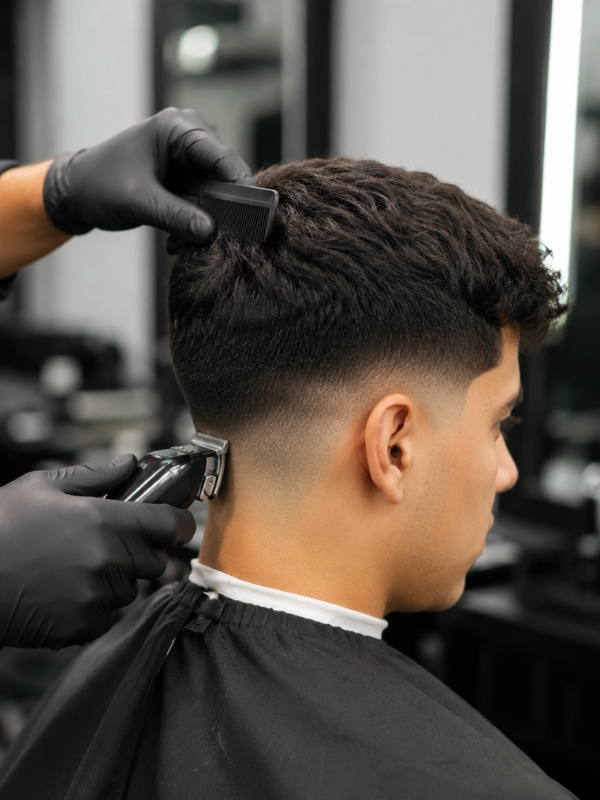
Walking into a barbershop prepared makes a huge difference in getting the exact look you want.
What Should You Ask
- Ask specifically for a “mid taper fade,” not just a “taper,” since barbers use these terms differently.
- Show reference photos from a similar angle to your own hair type and length.
- Mention if you want the fade to reach skin or stay slightly softer with visible hair.
- Ask for the beard to be blended if you’re pairing the cut with facial hair.
Time and Cost for a Mid Taper
A mid taper fade typically takes 30 to 45 minutes at a barbershop, depending on hair length and texture. Pricing generally ranges from $25 to $60 in most areas, with premium barbershops and add-ons like beard trims or hot towel finishes pushing the price higher.
How to Do a Mid Taper at Home
If you’re confident with clippers, a mid taper is doable at home with practice and the right tools.
Required Tools
- A quality clipper set with adjustable guards (#0 to #4 minimum)
- A trimmer for edging and detail work
- A comb for sectioning hair
- A mirror setup that shows the back of your head clearly
- A spray bottle for damp hair control
Step-by-Step Instructions for Beginners
- Start with damp, detangled hair and section the top away from the sides.
- Use a #3 or #4 guard on the sides starting at the midpoint of the head.
- Gradually switch to a #2, then a #1 guard as you move down toward the ears and neckline.
- Finish the lowest section with a #0.5 or bare blade for a clean fade into the skin.
- Blend the transition zones using upward flicking motions to avoid harsh lines.
- Trim the top to your desired length using scissors or a longer guard.
- Clean up the neckline and edges with a trimmer for a crisp finish.
Tips for a Better Blend
- Work in small sections and check both sides in the mirror often for symmetry.
- Go slower than feels necessary, since it’s easier to take more length off than to add it back.
- Use a lower guard length than the one before it at each transition point for a smoother gradient.
Maintenance and Styling
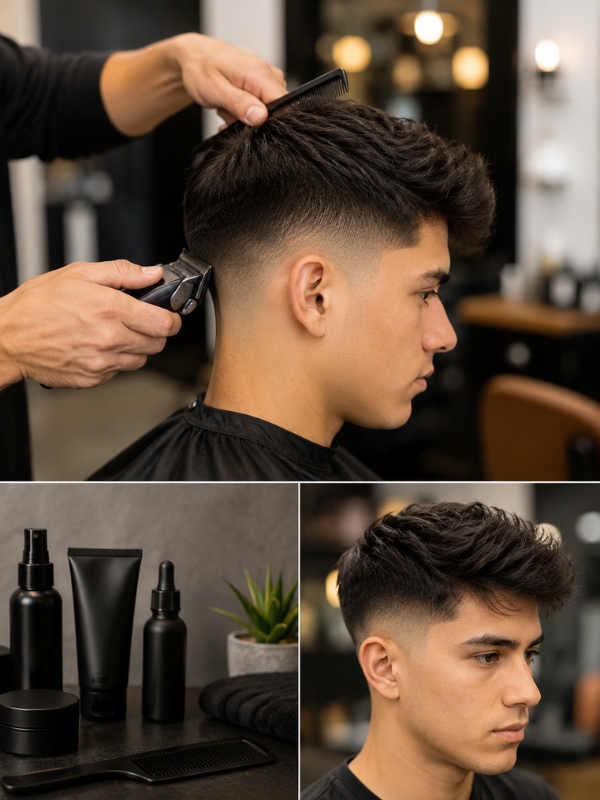
Touch-Up Schedule
Most mid taper fades need a refresh every 2 to 4 weeks to keep the blend sharp, since the shortest sections grow out visibly faster than the top.
Styling Products
- Matte paste or clay for natural, non-shiny texture
- Pomade for a sleeker, side part finish
- Curl cream or definer for curly and coily textures
- Sea salt spray for added texture and volume
Styling Routine
- Apply product to slightly damp hair for even distribution.
- Blow-dry with a brush or fingers to build volume where needed.
- Shape the top using your fingers or a comb depending on the desired finish.
- Touch up with a small amount of product midday if hair falls flat.
Conclusion
The mid taper fade has earned its popularity for good reason. It offers the perfect middle ground between bold and subtle, works across nearly every hair type and face shape, and adapts easily to beards, waves, curls, and afros alike.
Whether you’re heading to a barbershop with a clear reference photo or attempting the cut at home with clippers in hand, understanding the fade zones, guard numbers, and maintenance routine will help you land a clean, balanced result. With the right upkeep schedule and a few styling products in rotation, a mid taper fade can stay sharp and versatile all year round.