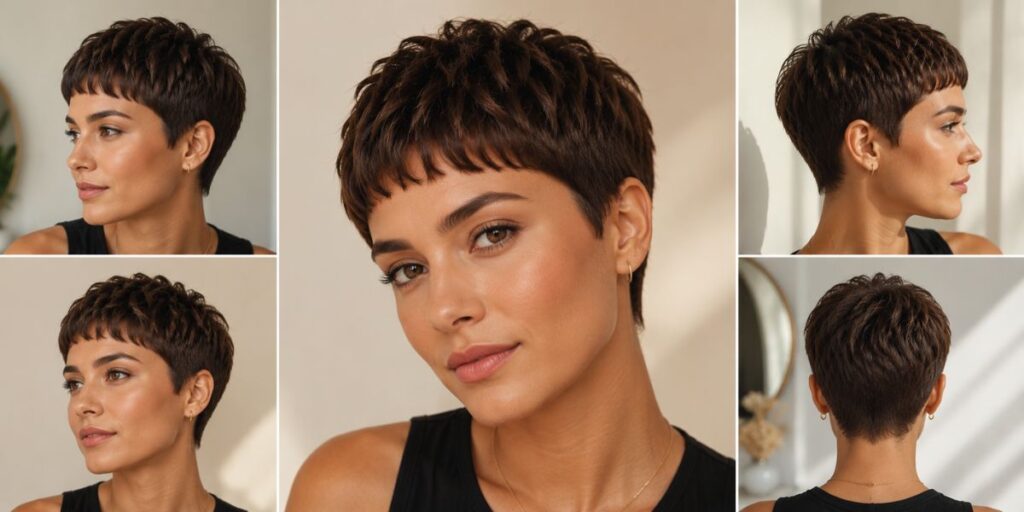
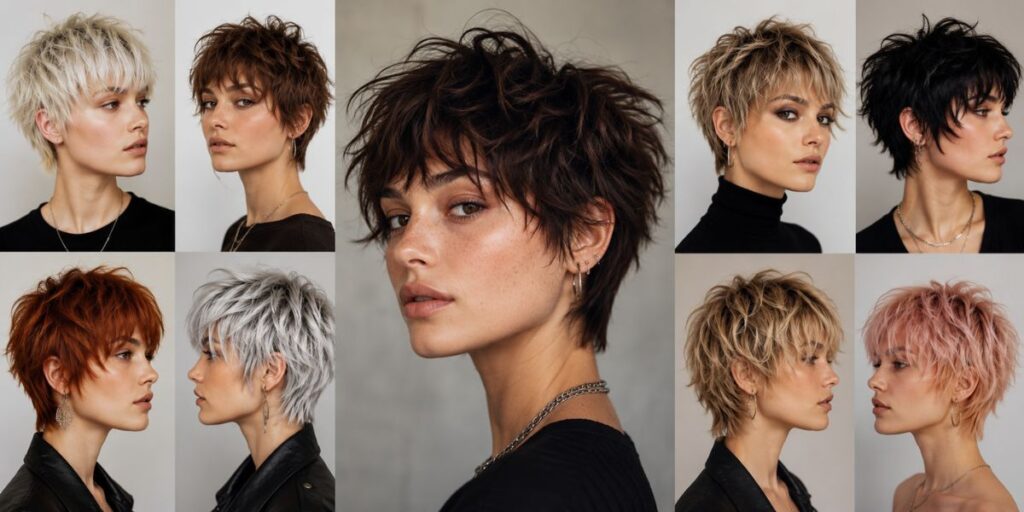
Short hair is having a major moment — and the shaggy pixie cut sits right at the center of it. Textured, effortless, and endlessly adaptable, it is one of the most requested short hairstyles in salons today. For cosmetology students, mastering it is not optional; it is essential. This guide breaks down 10 shaggy pixie cut styles you need to know, the techniques behind each one, and how this skill set directly shapes your career.
Why Shaggy Pixie Cuts Matter in Cosmetology
Clients walk into salons asking for this cut by name, by photo, and by feel. The shaggy pixie combines layered precision with a relaxed, lived-in finish — two skills that every working stylist must be comfortable with. When you can execute this cut well across different hair types and face shapes, you immediately stand out as a versatile professional.
Beyond client demand, this cut is a technical exercise in point cutting, razor work, graduation, and texture removal. Mastering it trains your hands for dozens of other styles at the same time.
Understanding the Shaggy Pixie Cut
A shaggy pixie cut is a short haircut built on choppy, textured layers. The back and sides are kept cropped, while the top carries longer, piecey sections that create volume and movement. It differs from a classic pixie in one key way: intentional dishevelment. The goal is not a polished shape but a tousled, effortless finish that looks styled but never stiff.
Key structural elements include:
- Horseshoe sectioning at the crown to separate top from sides
- Round graduation through the back for a soft, natural shape
- Over-direction on the sides to maintain weight and length
- Point cutting and razor finishing to create separation and airiness
- Fringe options that frame or open the face depending on client preference
Classic & Everyday Styles You’ll Practice
These four variations form the foundation of your shaggy pixie skill set. Practice these until they feel automatic.
Shaggy Pixie Cut
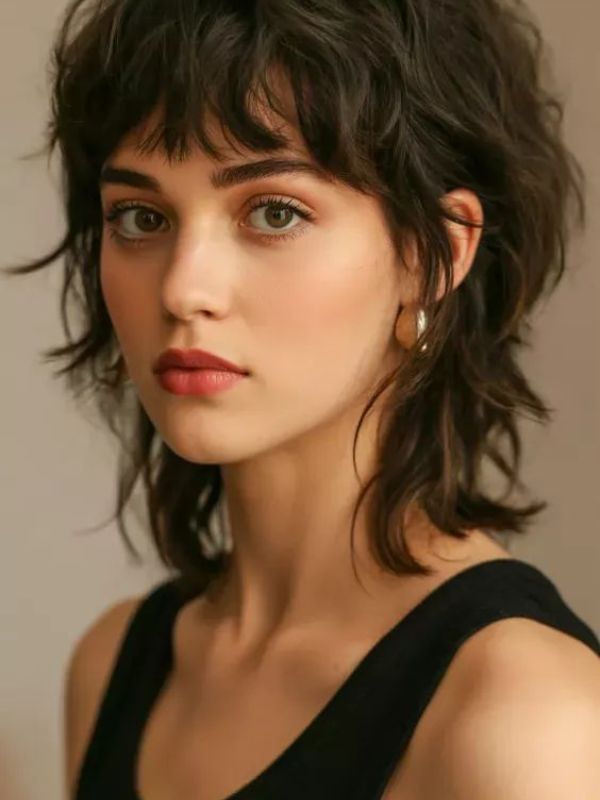
The original shaggy pixie is the benchmark. It features short cropped sides, a slightly longer nape, and a textured crown with piecey layers. The finish is tousled and relaxed. Use point cutting throughout and finish with a light matte paste to define the layers without heaviness. This cut flatters oval, heart, and diamond face shapes especially well.
Short Shaggy Pixie
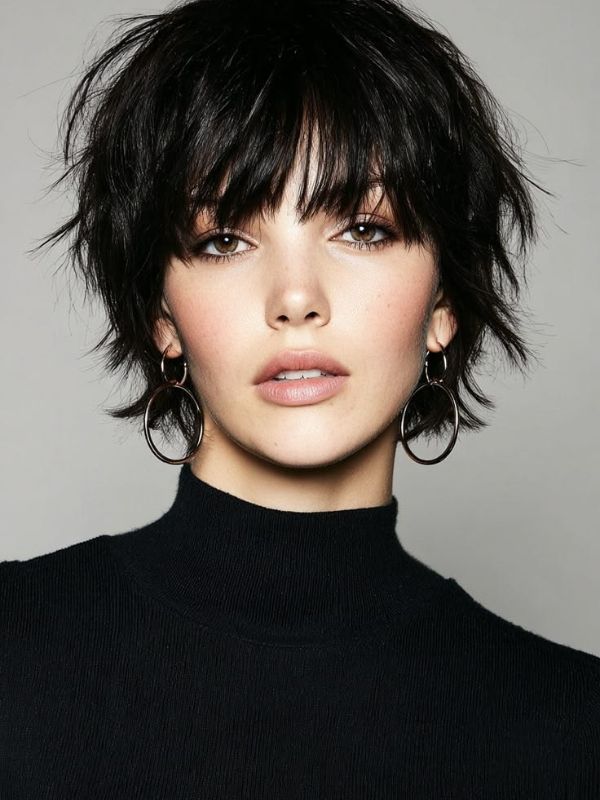
Cut close at the back and sides with very short graduation, this version keeps everything tight except the crown texture. It reads edgy and bold. Razor cutting works beautifully here — it builds texture as you cut, reducing the need for extensive point cutting afterward. Ideal for clients with thick hair who want to reduce bulk while keeping visual interest on top.
Long Shaggy Pixie Cut
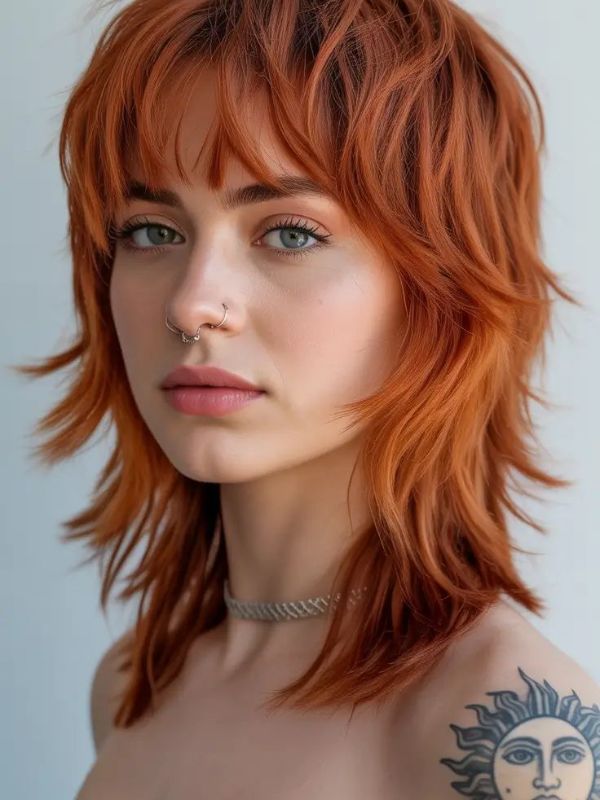
Sometimes called a pixie-bob or bixie, the long shaggy pixie sits at jaw or chin length with heavy layering throughout. It gives clients a gateway cut — short enough to be a pixie, long enough to tuck behind the ear. The layering is more dramatic here, with longer pieces in front that frame the face. Great for clients making their first big chop.
Shaggy Pixie with Bangs
Bangs completely change the character of a pixie. Options include:
- Curtain bangs — split at the center, swept softly to both sides
- Blunt micro bangs — cut straight across, bold and fashion-forward
- Wispy fringe — point cut for a feathered, airy finish
- Side-swept bangs — angled across the forehead, great for asymmetrical styles
When cutting bangs into a shaggy pixie, always cut from the horseshoe section and check the length dry. Wet hair shrinks, and a too-short bang is a consultation gone wrong.
Trendy Variations That Attract Clients
Once you have the classic versions locked in, these trending styles help you attract and retain fashion-forward clients.
| Style | Key Feature | Best For |
| Pixie Shag (Shixie) | Heavy layering + mullet-inspired length at nape | Clients who want edge with versatility |
| Curly Shaggy Pixie | Defined curl pattern, internal layering, feathered ends | Natural texture clients |
| Undercut Shaggy Pixie | Shaved or clipper-faded sides, textured top | Bold, low-maintenance seekers |
| Balayage Shaggy Pixie | Color-melt through layers to highlight texture | Clients wanting dimension without commitment |
| Wet-Look Shaggy Pixie | Gel + finger-rake finish, shine-forward styling | Fashion clients, editorial looks |
| Asymmetrical Shaggy Pixie | One side longer than the other, edgy silhouette | Clients with strong personal style |
Customizing for Different Hair Types
No two clients sit in your chair with the same hair. A shaggy pixie cut executed without reading the hair type will almost never give the result on the mood board. Here is how to adjust:
| Hair Type | Challenge | Technique Adjustment |
| Fine / Thin | Lacks volume, lies flat | Airy internal cuts, feathered ends, avoid over-thinning |
| Thick / Dense | Excess bulk, triangle shape | Point cut to debulk, razor through mid-lengths, channel cutting |
| Wavy | Unpredictable curl pattern when dry | Cut dry or damp, leave extra length, use diffuser to check result |
| Curly / Coily | Shrinkage distorts length | Cut longer than target, shape curl by curl, avoid over-layering |
| Straight | Shows every line | Precision sectioning, clean graduation, soft point cut finish |
Age-Friendly & Client Confidence Cuts
The shaggy pixie cut works across every age group — and knowing this makes you a better consultant. Here is a quick breakdown by life stage:
- Teens and 20s: Bold variations with vivid color, asymmetry, and micro bangs
- 30s and 40s: Soft, face-framing layers, curtain bangs, natural texture
- 50s and 60s+: Volume-boosting layers, soft fringe to soften lines, low-effort styling
For older clients in particular, a well-executed shaggy pixie adds lift and fullness that thinner, aging hair often loses. It is a confidence-builder — and clients who feel good about their hair keep coming back.
Low-Maintenance Shaggy Pixie Styles
One of the biggest selling points of the shaggy pixie is how little effort it takes to maintain at home. Clients love hearing that their new cut works with their lifestyle, not against it. Teach them this simple routine:
- Mist roots and crown with water or a light texture spray
- Work a pea-sized amount of matte paste or clay through mid-lengths
- Ruffle and pinch the fringe into place with fingertips
- Use dry shampoo at the temples to extend volume and absorb oil
That is a two-minute morning routine. Sell the lifestyle, and you sell the cut.
Popular Low-Maintenance Variations
- Wash-and-go curly shaggy pixie — diffuse and leave
- Tousled undercut — clip sides stay sharp, top needs minimal product
- Soft wavy bixie — air dries into a natural, effortless shape
- Blunt-bang pixie — fringe stays in place with zero styling needed
What Students Learn at Hybrid Cosmetology School
Programs like Hybrid Cosmetology School build shaggy pixie proficiency through structured, hands-on training. Students do not just learn how to cut — they learn how to think like a stylist. Key curriculum areas include:
- Sectioning and horseshoe technique for clean separation
- Round graduation and over-direction for shape control
- Razor cutting and point cutting for texture creation
- Hair type assessment and consultation training
- Product knowledge — which products enhance which finish
- Client communication — matching expectations to results
Beyond technique, students learn to read hair behavior, adapt under pressure, and develop the chair-side confidence that clients respond to. That combination of skill and communication is what turns a good cut into a loyal client relationship.
Career Opportunities with Shaggy Pixie Expertise
Cosmetology is not a one-track career, and shaggy pixie expertise opens more doors than most students realize.
Real-World Examples
- A stylist known for textured short cuts builds a clientele of weekly repeat visitors — short hair grows fast and needs maintenance
- A salon that markets shaggy pixie specialization attracts younger clients who are highly active on social media — free exposure for every great result
- A graduate who masters razor cutting and pixie shags lands a position in an editorial or fashion salon faster than a generalist
Career Paths for Students Specializing in Shaggy Pixies
| Career Path | How Pixie Expertise Helps |
| Salon Stylist | High-demand skill with repeat clientele — short cuts need trims every 4-6 weeks |
| Barbershop / Gender-Neutral Salon | Pixie and undercut overlap with barbering technique |
| Editorial / Fashion Stylist | Textured short cuts are consistently featured in editorial work |
| Cosmetology Educator | Teaching pixie variations is a core curriculum topic at beauty schools |
| Platform Artist | Razor and texture work translates directly to stage demonstration skills |
Final Thoughts: Master the Shaggy Pixie & Start Your Cosmetology Journey
The shaggy pixie cut is one of the most technically rich, creatively flexible, and client-friendly short hairstyles you will ever learn. It rewards students who understand layering, texture, and hair behavior — and it pays back in one of the most loyal client bases in the business.
If you are serious about a cosmetology career, do not treat the shaggy pixie as just one cut in a long list. Treat it as a foundation. The precision, adaptability, and communication skills it builds will serve every other cut you ever do.
Enroll in a quality cosmetology program, get your hands on a mannequin head, and start cutting. The skills you build today are the reputation you build tomorrow.
Frequently Asked Questions
What is a shaggy pixie cut?
A short haircut with choppy, textured layers on top and cropped sides, designed for a tousled, effortless finish.
Is the shaggy pixie cut suitable for all hair types?
Yes — with the right technique adjustments, it works for fine, thick, wavy, curly, and straight hair.
How often does a shaggy pixie cut need a trim?
Every 4 to 6 weeks to keep the shape sharp and layers defined.
What tools do cosmetology students need for a shaggy pixie?
Sharp shears, a razor (with fresh blades), a fine-tooth comb, and sectioning clips are the essentials.
Can a shaggy pixie cut work for older clients?
Absolutely — it adds volume and lift, making it one of the most flattering options for women in their 50s and 60s.
What is the difference between a shaggy pixie and a bixie?
A bixie (pixie-bob) is a longer version that sits closer to jaw length, while a shaggy pixie is shorter and more cropped at the back.