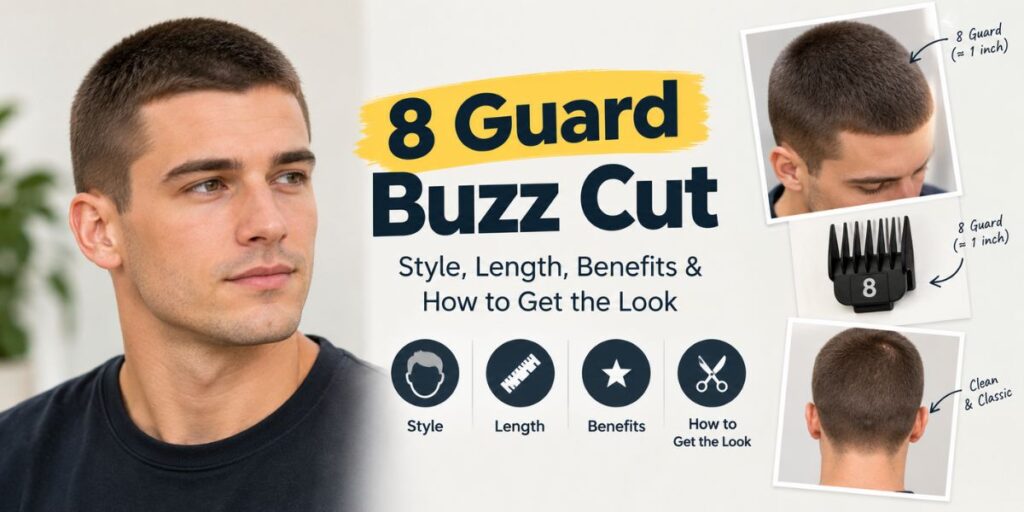
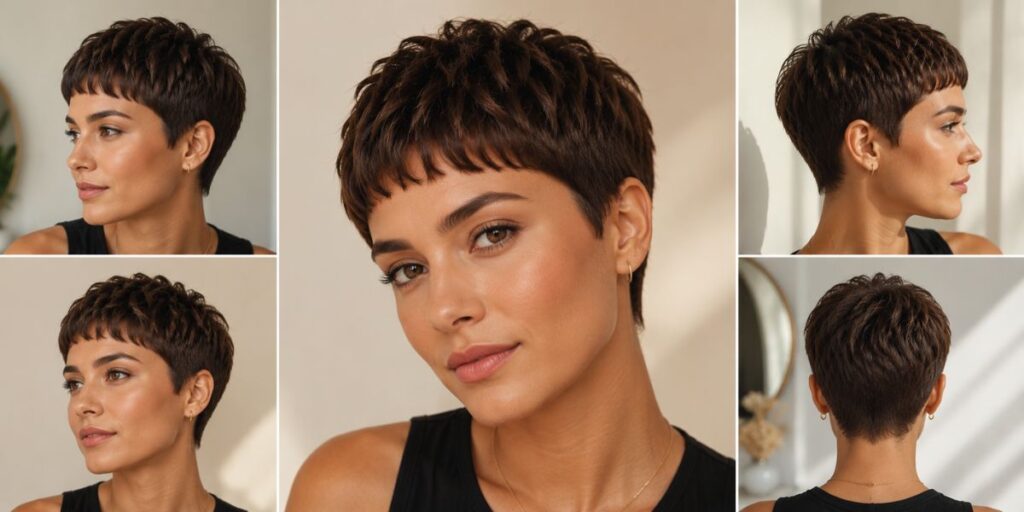
The Caesar haircut has survived centuries of trend cycles, barbershop fads, and style shifts — and it’s still one of the most requested men’s cuts today. Whether you’re stepping into a barbershop for the first time or looking to switch up your current style, the Caesar delivers every single time. Clean, sharp, low-maintenance, and endlessly adaptable — this guide covers everything you need to know.
What Is a Caesar Haircut, Origins and Key Features
The Caesar haircut is a short men’s hairstyle with a straight, blunt fringe worn forward across the forehead and evenly cropped sides and back. It takes its name from Julius Caesar, the Roman emperor who reportedly wore his thinning hair in a short, forward-combed style — a look that has outlasted his empire by over 2,000 years.
Today’s Caesar builds on that same foundation with modern additions: skin fades, textured tops, and tailored necklines that make it fit perfectly in 2026.
Signature Short Fringe, Even Length on Top
The defining feature of any Caesar is the fringe. It sits horizontally across the forehead, typically 0.5 to 2.5 cm long, cut bluntly rather than layered or textured. The top of the head maintains a uniform length — usually between 1 and 5 cm — which creates the neat, structured silhouette the cut is famous for.
Short Back and Sides, Clean Outline
The sides and back are kept tight, either scissor-cut to match the top or faded using clippers. The neckline is always crisp and defined. That clean outline is what separates a well-executed Caesar from a sloppy trim.
Caesar vs Crew Cut vs French Crop: Key Differences
It’s easy to mix these three up at a glance. Here’s a clear breakdown:
| Feature | Caesar Cut | Crew Cut | French Crop |
| Fringe | Short, blunt, forward | None / pushed back | Textured, choppy, longer |
| Top Length | Even, uniform | Tapered longer at front | Varied, often layered |
| Texture | Smooth or lightly textured | Structured | Heavily textured |
| Maintenance | Very low | Low | Moderate |
| Best For | All face shapes | Oval, oblong | Oval, square, round |
| Style Vibe | Classic, clean | Modern, sharp | Fashion-forward |
The key distinction: the Caesar always has a fringe. The crew cut doesn’t. The French crop’s fringe is messier and longer. If you want structured simplicity, the Caesar wins.
5 Reasons the Caesar Haircut Never Fails
1. Timeless history. From ancient Rome to Hollywood barbershops, the Caesar has never truly gone out of style. It adapts to each era without losing its identity.
2. Works for almost every man. Oval, square, diamond, and round face shapes can all wear a Caesar — especially with the right fade variation.
3. Virtually zero daily styling. Apply a small amount of matte clay, press it forward, and you’re done. No blow-dry routines, no complicated parting.
4. Fixes problem areas. Receding hairlines and thinning crowns are naturally concealed by the forward-sitting fringe and even length.
5. Pairs with everything. Stubble, glasses, formal wear, streetwear — the Caesar handles it all without looking out of place.
Fringe Length and Texture
Fringe length changes the whole personality of the cut:
- 0.5–1 cm: Subtle, barely-there fringe. Clean and minimal.
- 1–2 cm: The classic Caesar range. Most flattering on oval and square faces.
- 2–3 cm: Slightly longer, softer look — works well for the textured Caesar variation.
Texture on the fringe is optional. A blunt fringe reads more classic. Point-cut or razor-textured fringe gives a more modern, casual finish.
Fade Options and Maintenance Needs
The fade you choose determines how often you’ll need to visit your barber:
- No fade / taper: Lasts 3–4 weeks before needing a clean-up.
- Low fade: Sharp but forgiving. Trim every 3 weeks.
- Mid fade: Noticeable growth after 2 weeks. Visit your barber every 2–3 weeks.
- Skin fade: Grows out fast. Weekly edge touch-ups recommended.
Who the Caesar Suits Best: Face Shape and Hair Type
Straight or Wavy Hair
Straight and wavy hair are ideal for the Caesar. The fringe lies flat and uniform with very little product. For wavy hair, a small amount of matte clay controls the texture without killing the natural movement.
Curly or Thinning Hair
Curly hair adds volume and bounce to the Caesar’s structure — this is the Curly Caesar variation, and it works exceptionally well. For thinning hair, the even length and forward fringe reduce the contrast that makes thinning visible. This is actually one of the main reasons Julius Caesar invented the style in the first place.
Popular Caesar Variations to Try
Classic Caesar

Short, uniform length (2–3 cm) all over. Blunt horizontal fringe. No fade — just a tapered or scissor-cut sides. The cleanest, most traditional version.
Textured Caesar
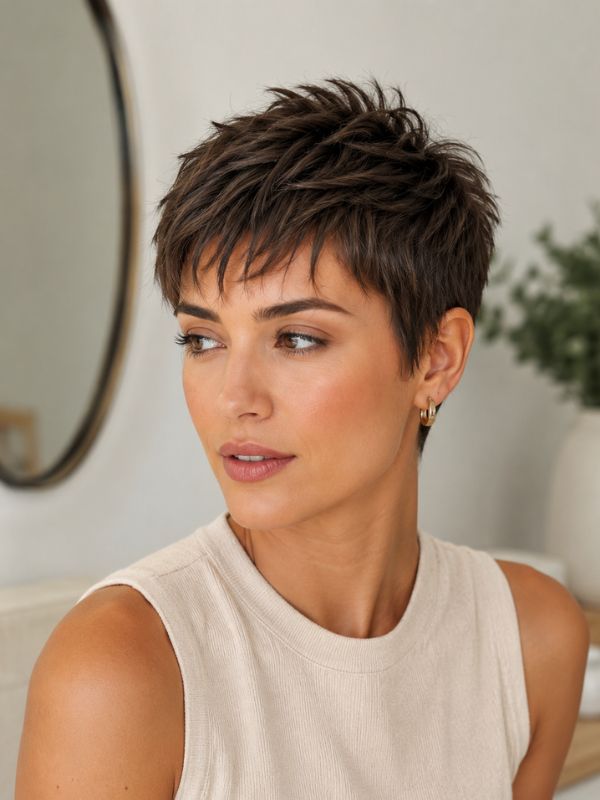
Same base structure, but the barber uses point cutting or a razor to add uneven texture on top. The fringe is slightly choppier. Works well with matte clay or sea salt spray for a lived-in look.
Skin Fade Caesar
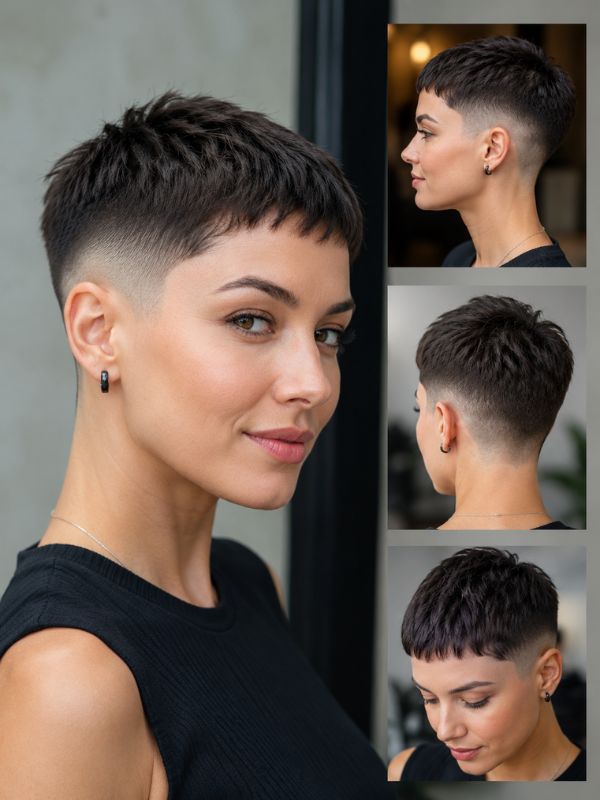
The modern favourite. The sides are faded down to the skin (zero guard), with a sharp transition line. Adds strong contrast and makes the structured top pop. Needs maintenance every 1–2 weeks to stay sharp.
Curly Caesar
Natural curl is left intact on top, creating volume and shape that a straight Caesar can’t achieve. The fringe still sits forward but has more dimension. Works with a curl cream or light defining gel.
How to Ask Your Barber: Exact Phrases and Guard Numbers
Walk in with clarity and you’ll walk out with exactly what you want.
Say this: “I’d like a Caesar cut with a [low/mid/skin] fade. Keep the top at about 2 cm, with a straight blunt fringe around 1.5 cm. Clean outline at the neck.”
Guard numbers to mention:
- Sides (bottom): 0 (skin) or 0.5 guard
- Sides (mid-point): 1 or 1.5 guard
- Blend: 2 guard
- Top: scissors or clipper-over-comb at 2–3 cm
Clippers, Scissor Work, and Fringe Length in Centimeters
A good barber will:
- Start by cleaning up the sides with clippers (skin or taper)
- Blend the fade tight and smooth
- Use scissors or clipper-over-comb on top to maintain even length
- Point-cut the fringe (if textured) or cut it straight across (if classic)
- Finish with a sharp neck outline using a razor or trimmer
Fringe in centimeters: Most classic Caesars use a 1–2 cm fringe. For a subtle look, 0.5–1 cm. For a modern, fashion-forward Caesar, go 2–3 cm.
What to Show in Reference Photos
Bring a photo — it solves 90% of communication issues before scissors even touch your hair. When selecting reference images:
- Choose a model with a similar hair type to yours (straight, wavy, curly)
- Show both a front view and a side or back view
- Include the fade style you want visible in the reference
- Use the photo as a guide, but let your barber adjust for your face shape
Styling a Caesar at Home, Step by Step
Prepping Hair, Blow Dry Direction, Fringe Control
- Wash hair and towel dry until slightly damp.
- Using a blow dryer on medium heat, direct hair forward toward the forehead.
- Keep the dryer moving — don’t hold it in one spot.
- Once dry, the fringe should naturally fall toward the face.
Best Products: Matte Clay, Light Pomade, Sea Salt Spray
| Product | Best For | Finish |
| Matte clay | Classic or textured Caesar | Natural, no shine |
| Light pomade | Sleek, polished Caesar | Low to medium shine |
| Sea salt spray | Textured or curly Caesar | Beachy, casual |
How to apply: Warm a pea-sized amount of matte clay between your palms, then press — don’t slick — into the hair. Work it forward. Less is more.
Maintenance Plan: Trims and Care
How Often to Cut and Why
- Classic Caesar: Every 3–4 weeks
- Caesar with skin fade: Every 1–2 weeks
- Caesar with taper/low fade: Every 2–3 weeks
Regular trims keep the fringe from growing heavy and losing its clean horizontal line.
Fixing Common Mistakes: Heavy Fringe or Choppy Lines
- Fringe too heavy? Ask your barber to point-cut the ends to reduce weight without losing length.
- Choppy neckline? This usually comes from a clipper held at the wrong angle. A straight razor finish fixes it cleanly.
- Uneven top? Comb hair forward before cutting. Uneven sections become visible immediately.
Caesar for Thinning Hair or a Receding Hairline
Camouflage with Fringe and Texture
The forward-sitting fringe covers the front hairline naturally. If temples are receding, a barber can angle the fringe slightly to follow the natural hairline shape rather than fight against it. Texture on top creates visual density, making thin hair appear fuller.
Product Tips for Density and Hold
- Matte clay with volumizing properties adds grip without the greasy look.
- Sea salt spray on damp hair creates texture that mimics thicker hair.
- Avoid heavy pomades — they flatten thinning hair and make scalp more visible.
Style Pairings: Beards, Glasses, and Outfits
Stubble, Boxed Beards, and Clean Shave
- Stubble (1–3mm): The most effortless pairing. Casual and sharp at the same time.
- Boxed beard: Adds structure and complements the Caesar’s clean lines. Works especially well with a skin fade.
- Clean shave: Classic and professional. Lets the cut speak entirely on its own.
Smart Casual, Streetwear, and Formal Looks
- Smart casual: The Caesar with a taper fade works perfectly with chinos, a clean shirt, and leather sneakers.
- Streetwear: Pair a textured Caesar with a hoodie, cargo pants, and white trainers.
- Formal: The classic Caesar with a clean shave and a well-fitted suit never misses.
Conclusion
The Caesar haircut earns its reputation honestly. It’s not a trend — it’s a structure. Clean lines, a forward fringe, and adaptable variations make it one of the few men’s cuts that works across decades, hair types, and lifestyles. Whether you’re dealing with thinning hair, looking for a low-maintenance daily style, or just want something that always looks sharp, the Caesar delivers. Talk to your barber, bring a reference photo, and get the cut that Julius Caesar himself would approve of.