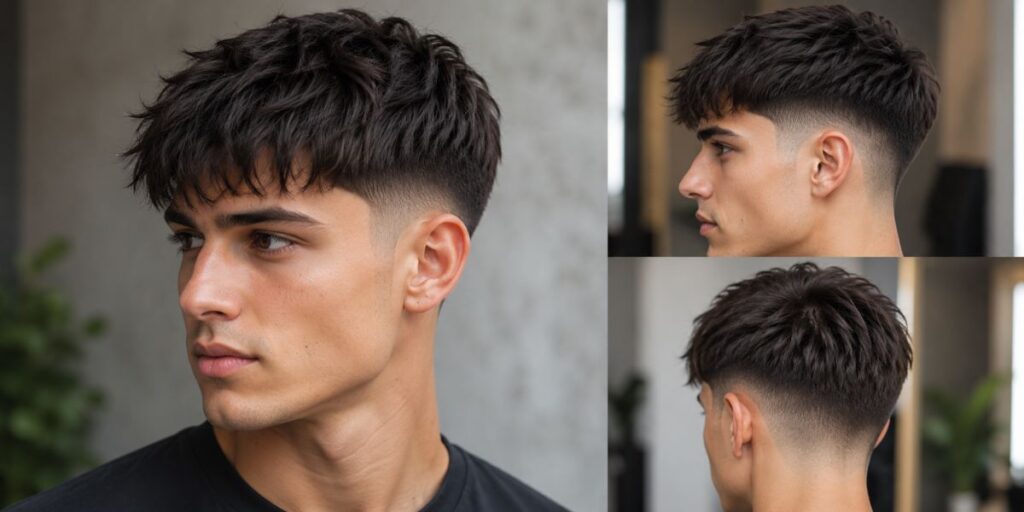
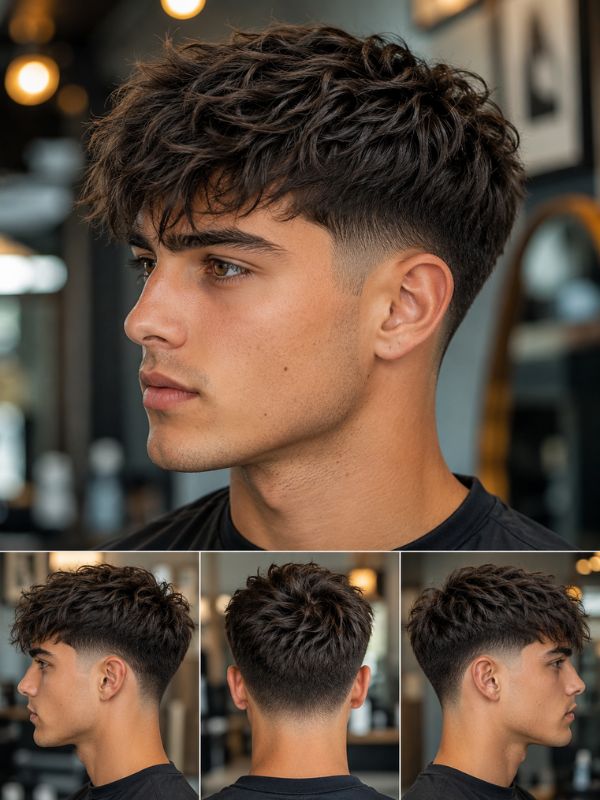
If you want a haircut that works Monday morning and Friday night without changing anything, the low taper fade with textured fringe is the one. It is clean on the sides, expressive on top, and versatile enough for every occasion. This guide breaks down everything — the structure, the best variations, how to talk to your barber, and how to keep it looking sharp every day.
Understanding the Low Taper Fade with Textured Fringe
How the Low Taper Works
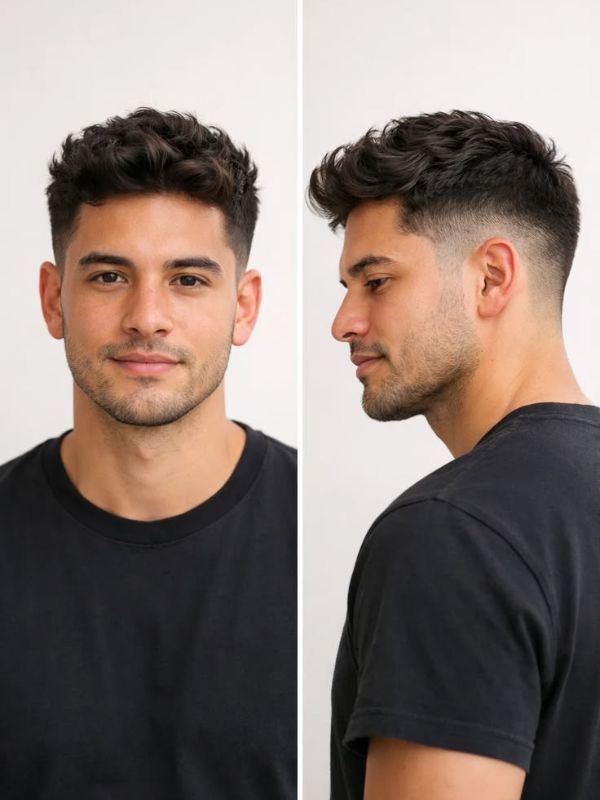
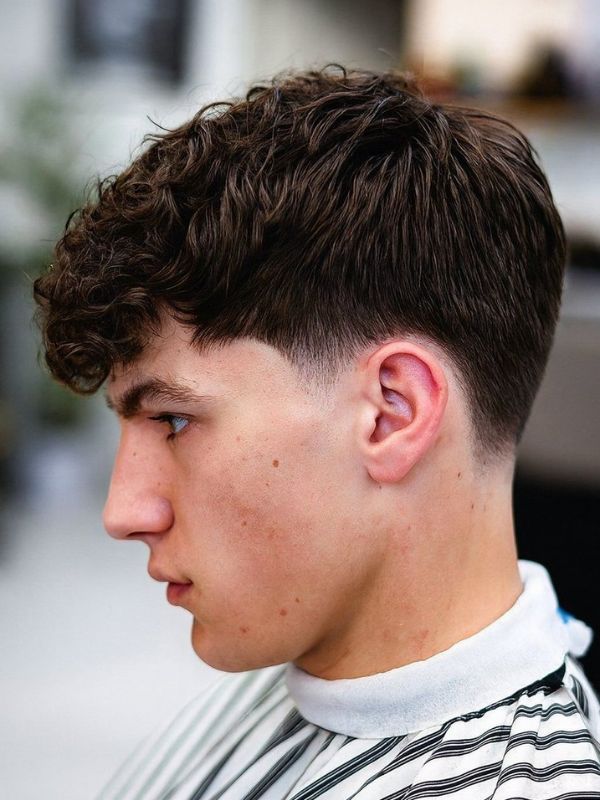
A taper fade is a gradual reduction in hair length from the top down toward the neckline. What sets the low taper apart is where the fade begins — right above the ears and neckline, lower than a mid or high fade. Because it starts low, more length stays on the sides, which creates a softer, more natural transition rather than an abrupt jump from long to short.
This low starting point is also why it flatters such a wide range of face shapes. There is no exposed scalp high up on the head, making the cut feel refined without being aggressive.
What “Textured Fringe” Really Means
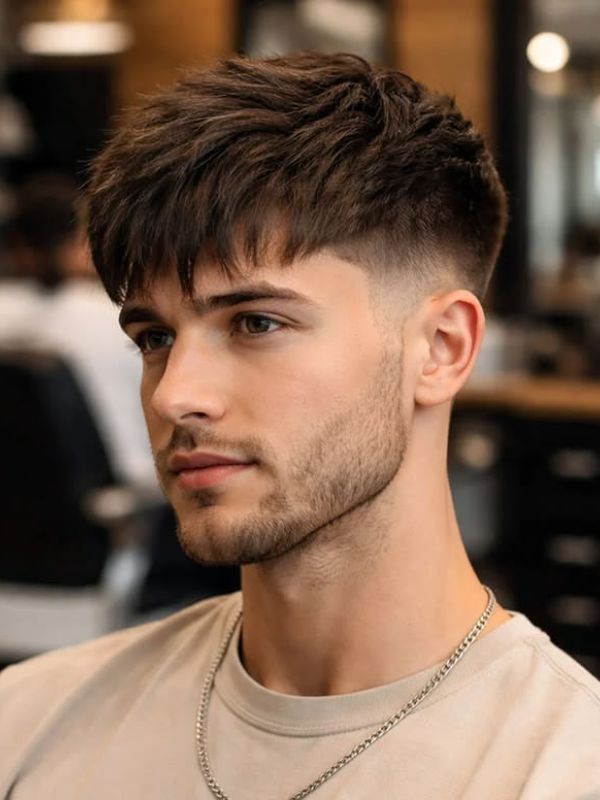
The fringe is the front section of hair that falls toward your forehead. A textured fringe is one that has been cut with movement in mind — using techniques like point cutting, slide cutting, and razor work — so individual strands separate and fall with a natural, piecey quality. It never looks flat or stiff. It has depth, direction, and that lived-in finish that makes a haircut look effortlessly styled.
Together, clean faded sides plus an expressive textured top creates contrast that makes both elements stand out more.
Inside the Structure of a Low Taper Fade Textured Fringe
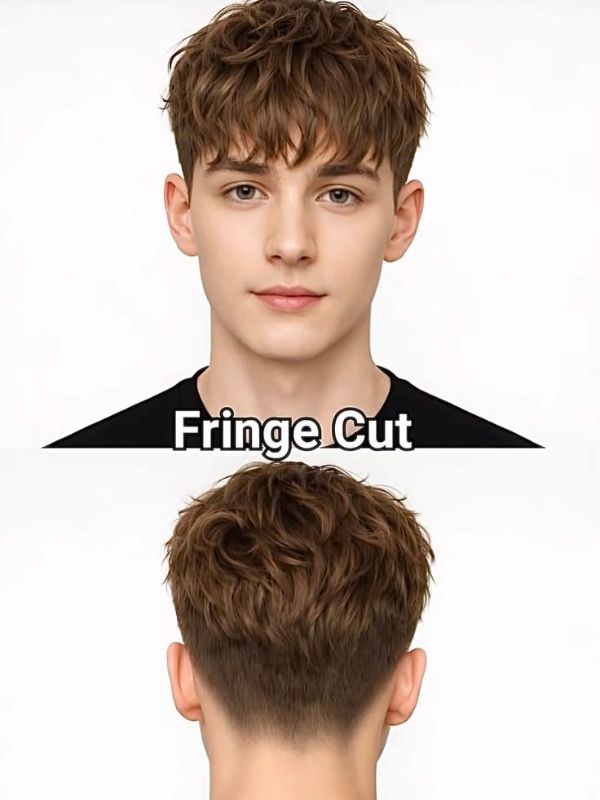
Zones and Fade Transition Explained
| Zone | Description |
| Top / Crown | Longest section — where fringe length and texture live |
| Temple Zone | Where the fade begins, blending from longer to shorter |
| Mid-Side | Gradual reduction continues, guard sizes shift every 1–2 cm |
| Neckline | Lowest point of the fade, clean and tapered |
The barber works through multiple clipper guards — typically a #3 or #4 at the top of the fade and a #1 or #0.5 toward the neckline — blending each transition until no visible line remains.
Best Face Shapes for a Low Taper Fade Textured Fringe
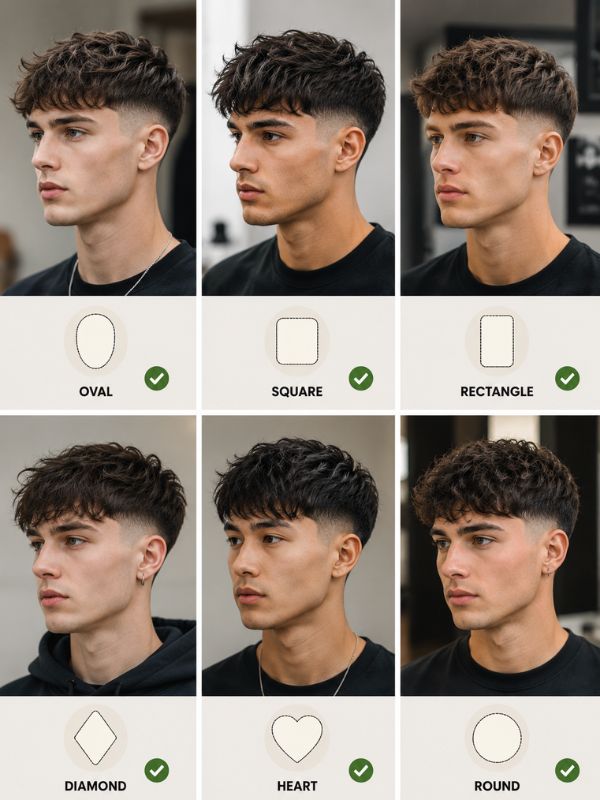
The low taper fade textured fringe suits almost every face shape, but here is how to maximize it for yours:
- Oval face — Any fringe length works. This is the most versatile match.
- Round face — Go for a fringe with height or volume on top to add length. Keep the sides tight.
- Square face — A softer, side-swept or messy fringe balances a strong jawline beautifully.
- Heart face — A fuller fringe with medium length softens a wider forehead.
- Oblong / rectangular face — Keep the fringe relatively short and wide rather than tall.
- Diamond face — A textured fringe with slight width adds balance to narrow temples.
Ideal Hair Types for the Textured Fringe Haircut
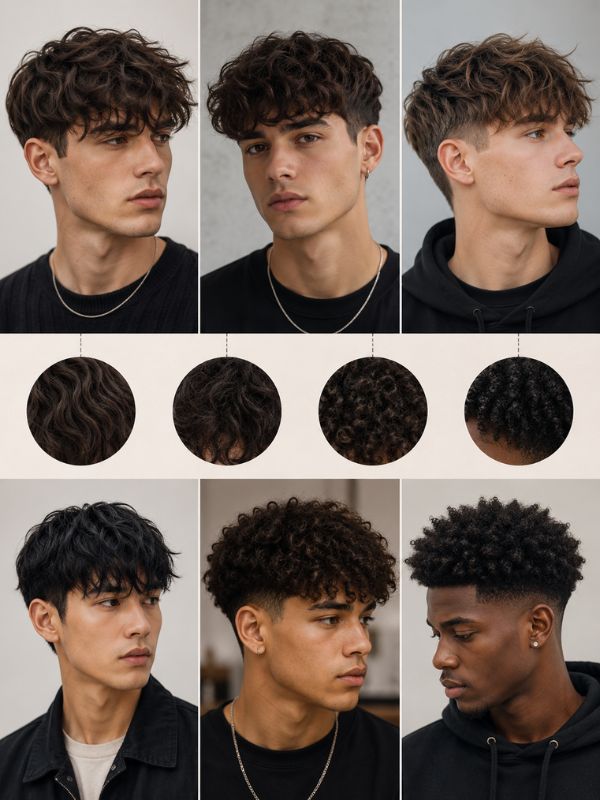
| Hair Type | How It Works |
| Straight | Clean and precise texture; responds well to matte clay |
| Wavy | Natural movement enhances the fringe; air-drying works great |
| Curly | Curls define the texture naturally; minimal product needed |
| Thick | Slide cutting removes bulk; fringe gains shape and bounce |
| Fine | Point cutting adds visual volume; sea salt spray lifts the fringe |
| Coarse | Razor work softens edges; fringe stays manageable all day |
Low Taper Textured Fringe: 15 Variations You Can Try
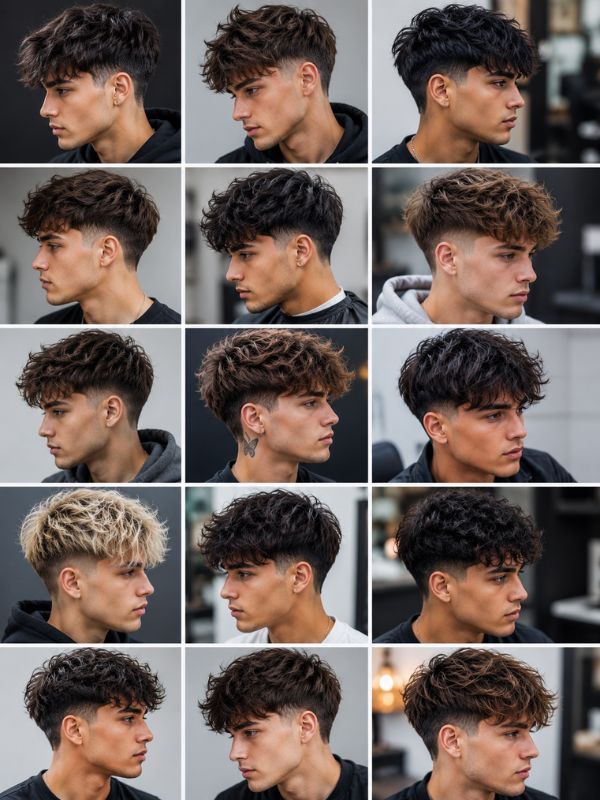
1. Classic Low Taper Textured Fringe
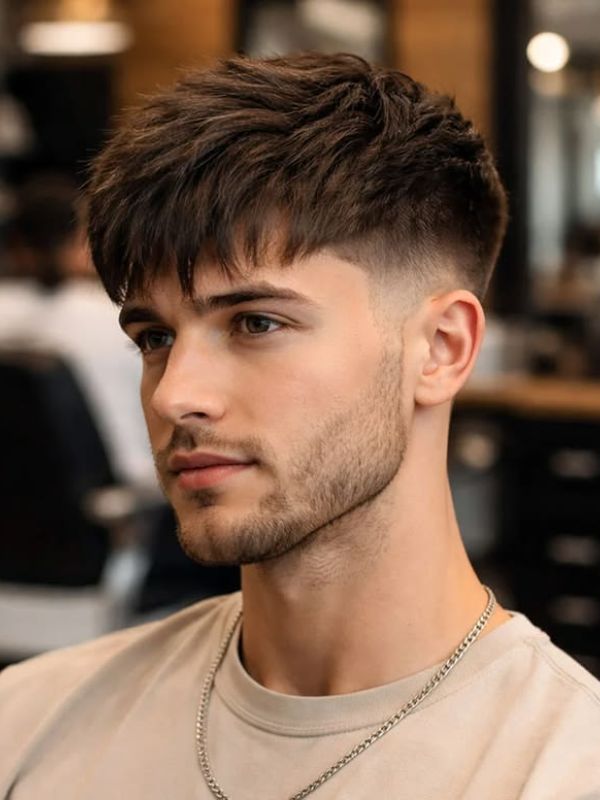
The foundation style. Fringe falls straight forward with subtle point-cut texture. Sides fade softly from above the ear. Works on every hair type and most face shapes. This is the one to start with if you are new to this cut.
2. Messy Low Taper Fade with Textured Fringe
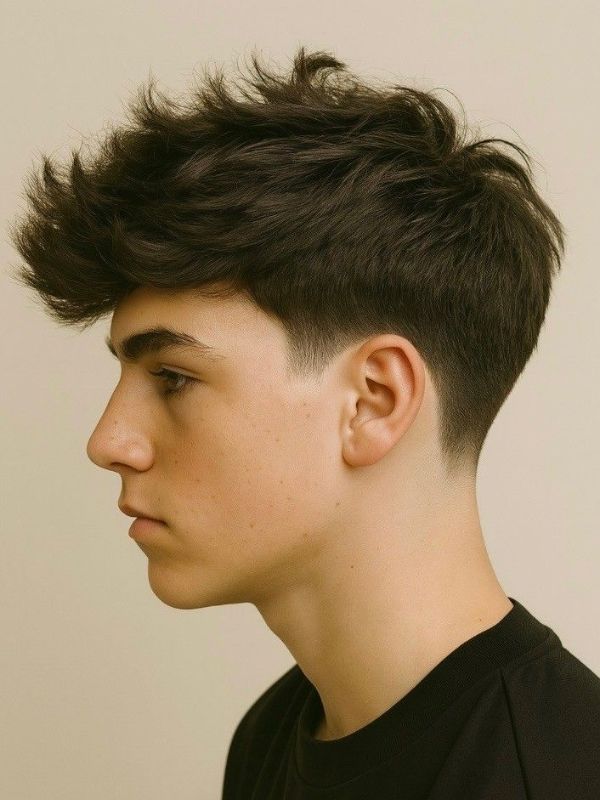
Sides stay clean and tight while the fringe is styled loosely with finger-combing. No structure, just natural movement. Great for straight and wavy hair. Blow-dry on low heat and use a texturizing paste rather than a rigid hold product.
3. Side-Swept Taper Fade with Textured Fringe
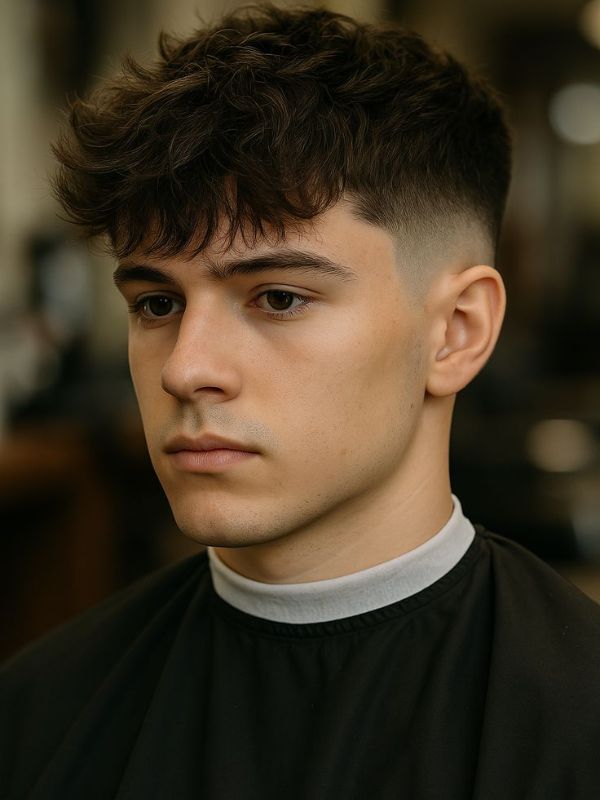
The fringe sweeps across the forehead to one side instead of falling straight. Works well for square and heart-shaped faces because it breaks facial symmetry in a flattering way. Medium hold wax keeps the sweep in place without stiffness.
4. Choppy Low Taper Textured Fringe
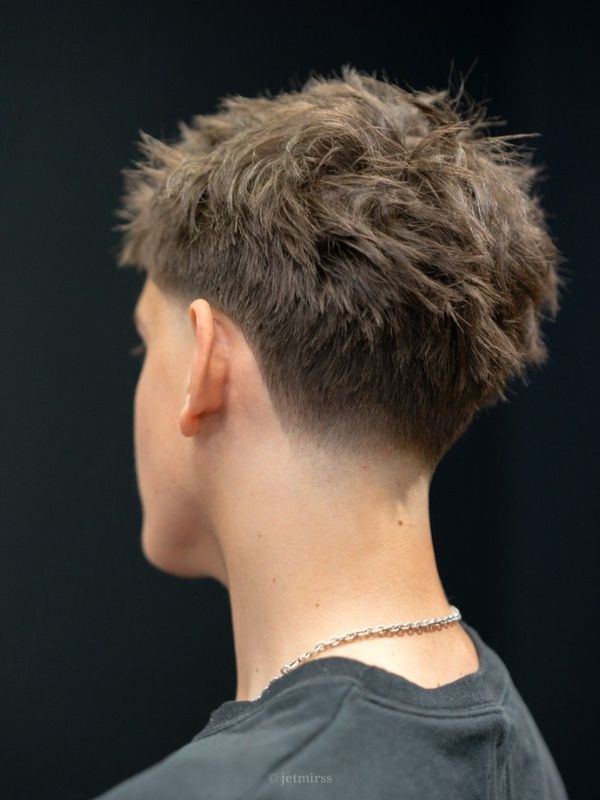
More aggressive point cutting creates visible, separated chunks in the fringe. Bold and high-contrast. Suits thick hair best. This version photographs particularly well and is one of the most requested on Instagram and TikTok right now.
5. Long Low Taper Textured Fringe
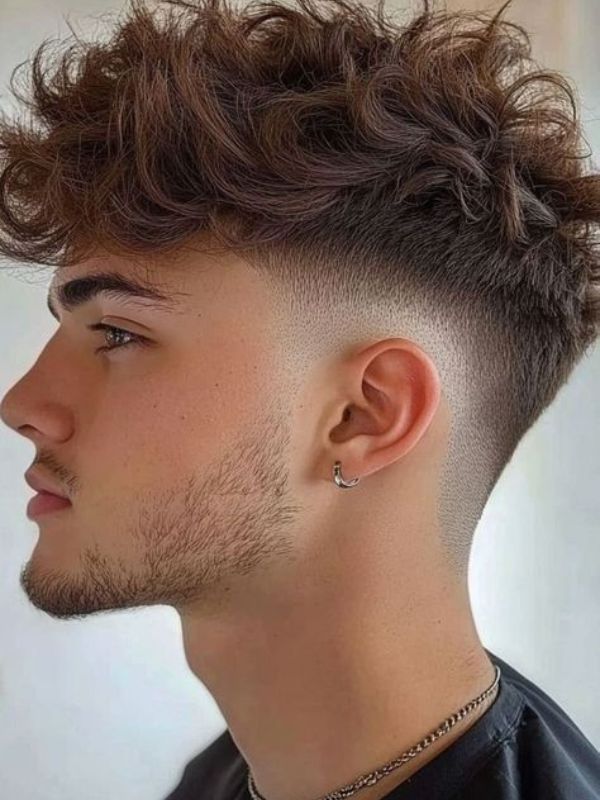
The fringe reaches past the eyebrows — sometimes covering them entirely. Pairs contrast between the very short faded sides and the longer top. Best for oval and square faces. Requires regular trimming to keep the fringe from becoming unmanageable.
6. Short Low Taper Textured Fringe
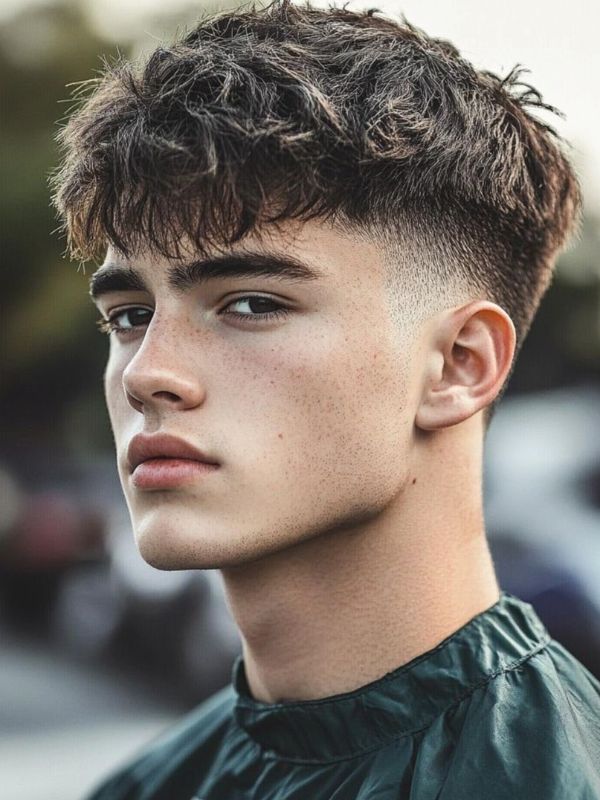
Fringe sits just above the brows or at mid-forehead. Neat, professional, low maintenance. Best for office environments or men who prefer a minimal styling routine. Works for all face shapes.
7. Wavy Low Taper Textured Fringe
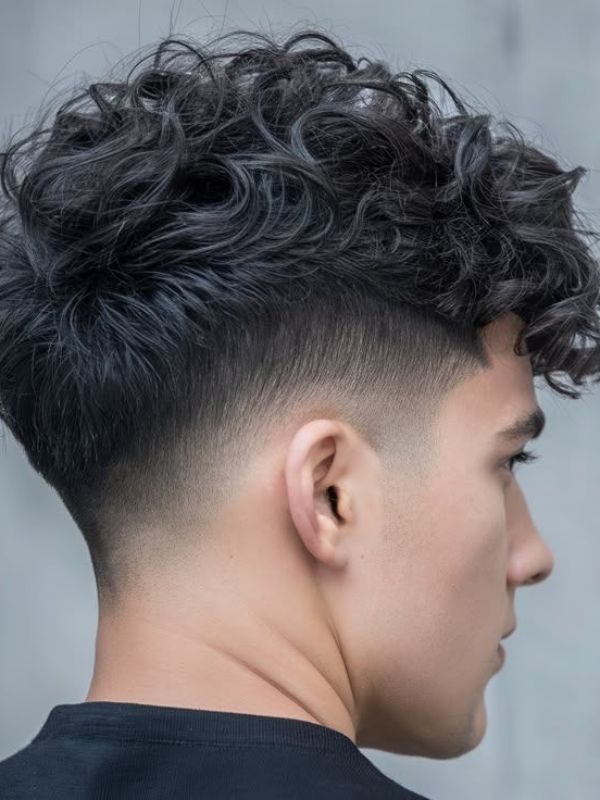
Leans into natural wave patterns rather than fighting them. Air-dried with a small amount of curl cream or sea salt spray. The fringe takes on organic movement that looks styled without much effort. Best for men with natural wave or light curl.
8. Curved Fringe with Low Taper Fade
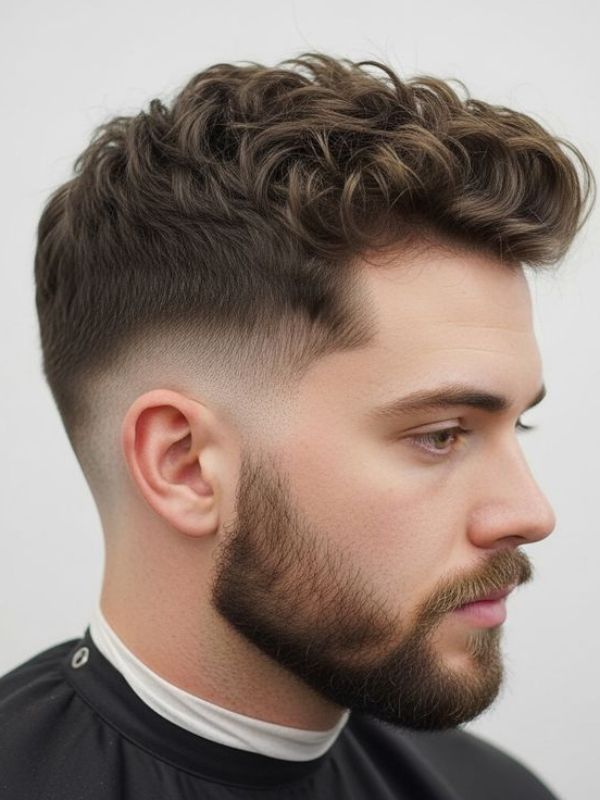
The fringe is shaped into a slight arc or curve rather than a blunt horizontal line. Adds a soft, modern detail to an otherwise clean cut. Works particularly well with oval and round face shapes.
9. Spiky Textured Fringe with Low Taper Fade
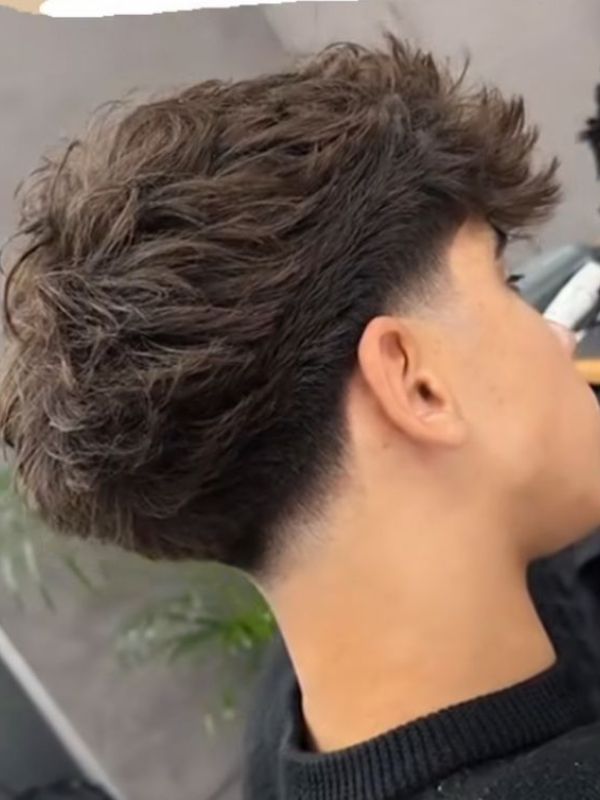
Individual pieces of the fringe are spiked or separated upward with a strong-hold matte clay. Edgy and expressive. Best for thick or coarse hair that holds product well. Not ideal for very fine hair.
10. Caesar-Inspired Low Taper Textured Fringe
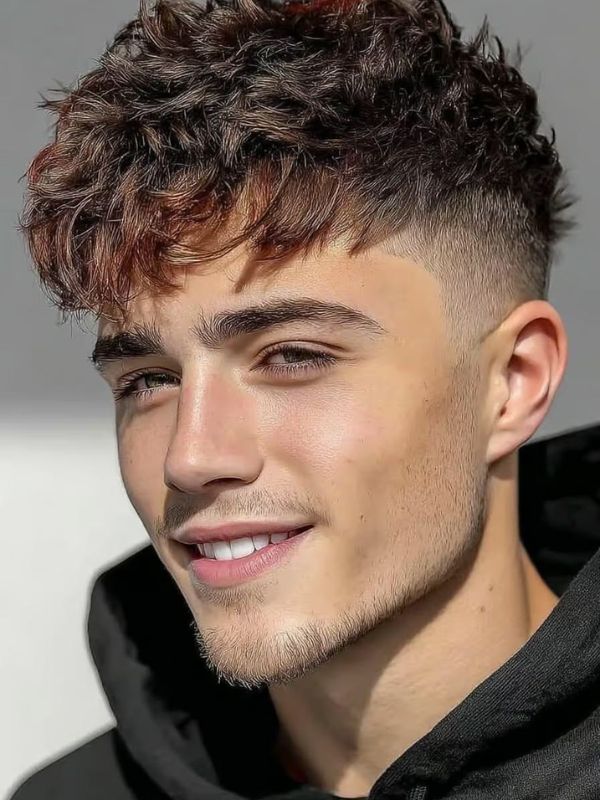
A short, horizontally cut fringe that sits parallel to the forehead — nodding to the classic Caesar cut — but with added texture and a modern low taper on the sides. Clean, confident, and easy to maintain.
11. Blunt Textured Fringe with Low Taper Fade
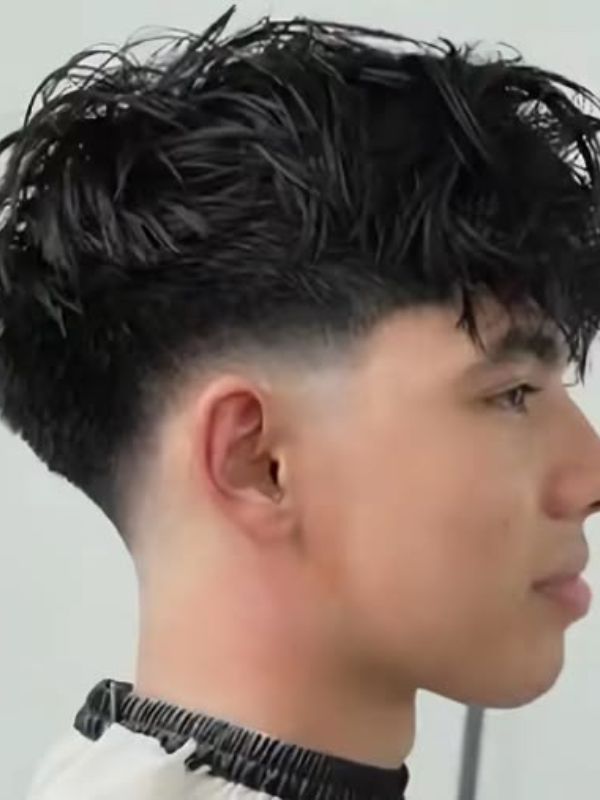
The fringe is cut with a mostly straight, blunt line at the bottom — but with subtle internal texturing so it does not look too heavy. Works well for thick hair and gives a strong, intentional look.
12. Drop Taper Fade with Textured Fringe
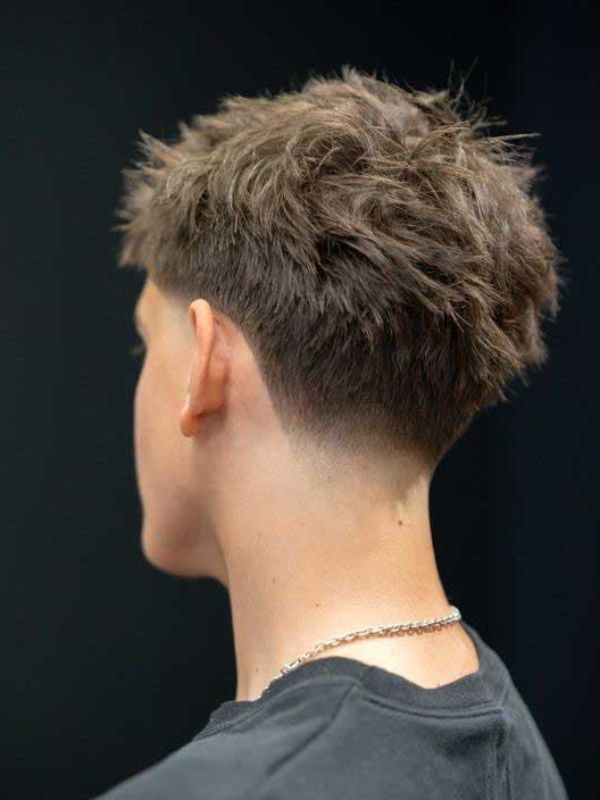
The fade line curves downward behind the ear rather than running horizontally. This arc adds contour and dimension, framing the head in a natural way. Particularly flattering for round and wider face shapes.
13. Low Skin Taper Fade with Textured Fringe
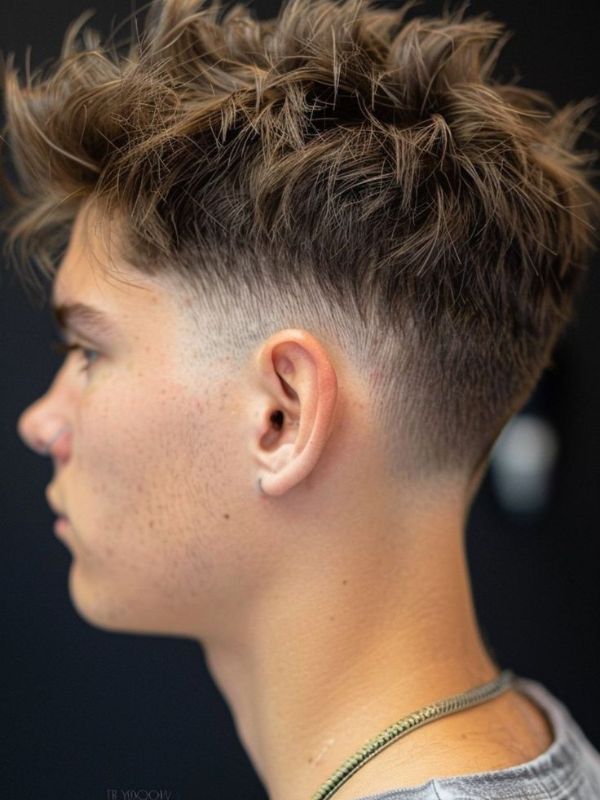
At the very base of the fade, the hair blends down to skin level. The contrast between bare skin near the neckline and the fuller textured fringe on top is sharp and modern. Works on all face shapes, especially with angular features.
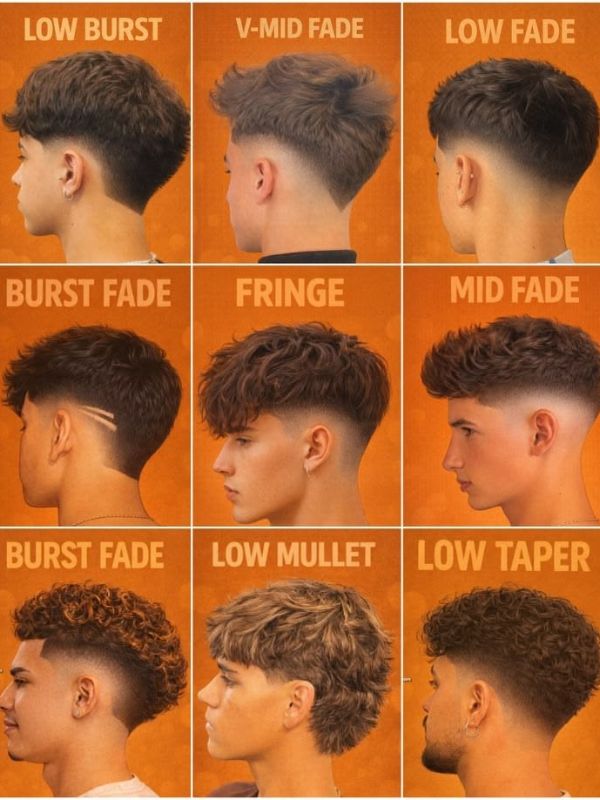
14. Low Burst Taper Fade with Fringe
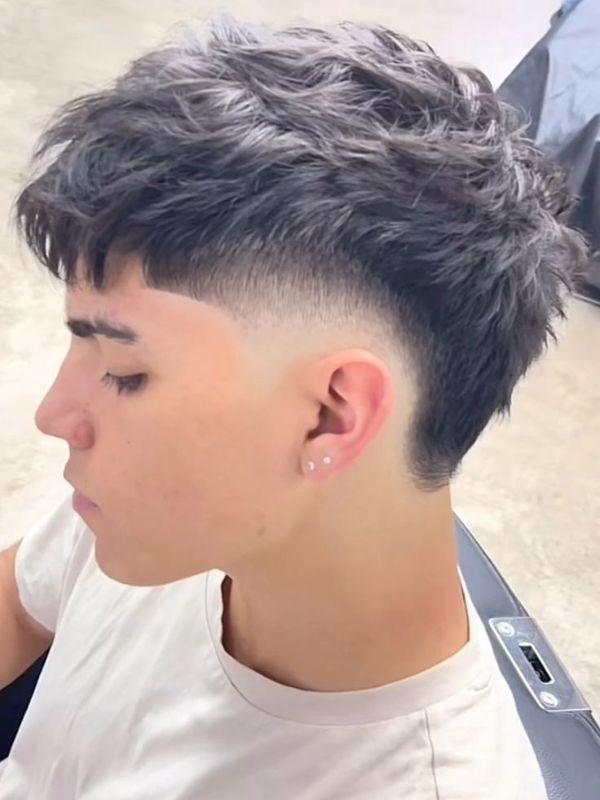
The fade radiates outward in a semicircle around the ear. It gives a distinctive, rounded shape to the cut that works especially well for men with box braids, twists, or denser natural hair on top.
15. Low Taper Textured Fringe with Design Detail
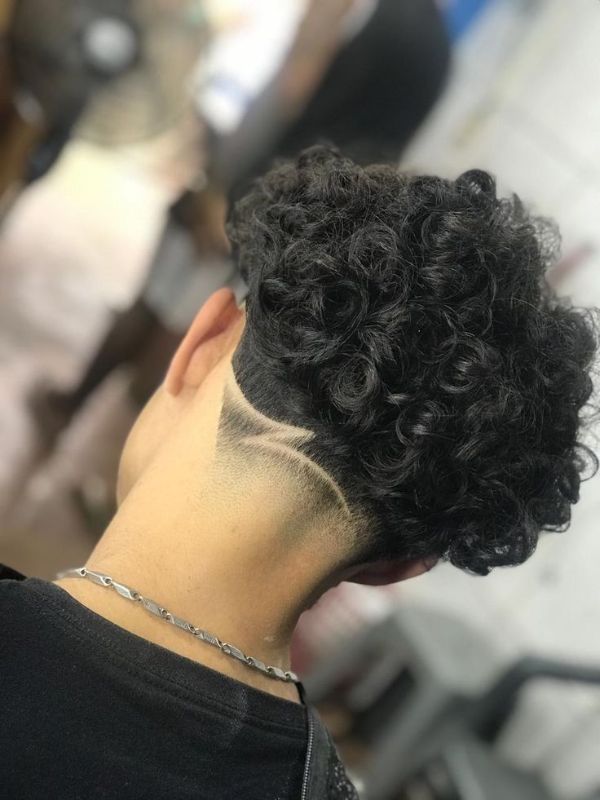
A razor-etched line, part, or geometric detail is added near the temple or fade line as a personal signature. Adds extra individuality without changing the overall silhouette. Best requested from barbers who specialize in detail work.
Communicating the Perfect Low Taper Fade with Textured Fringe
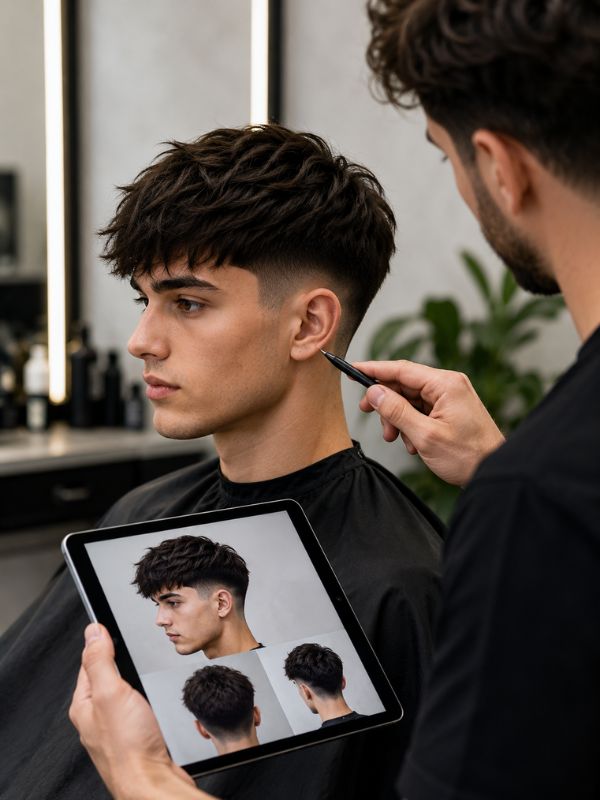
Using the Right Barber Terms and Visual References
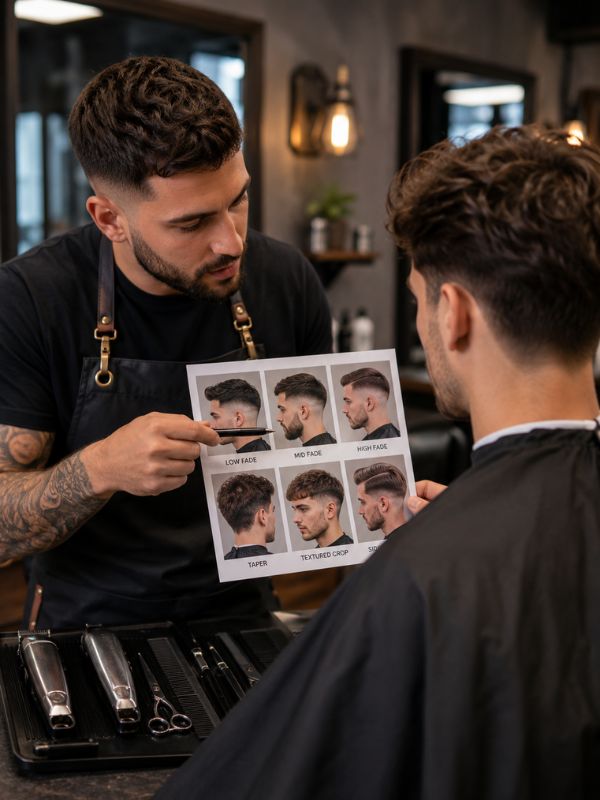
Knowing what to say saves you from leaving the chair with the wrong cut. Use these phrases:
- “Low taper fade starting just above the ears” — sets the fade position correctly
- “Blend it gradually down to the neckline” — signals a soft rather than sharp transition
- “Leave length on top for a textured fringe” — tells the barber you want movement, not a flat crop
- “Point cut or slide cut the fringe for texture” — gives specific technique direction
- “Keep the fringe around [eyebrow / mid-forehead / nose level]” — controls length precisely
Always bring a photo reference. Barbers appreciate visual communication — it removes ambiguity and helps them match the cut to your specific hair density and face structure. Tell them whether you typically air-dry or blow-dry, since this affects how the fringe should be layered.
Mastering the Low Taper Fade and Textured Fringe Combination
Layering, Blending, and Detailing Techniques
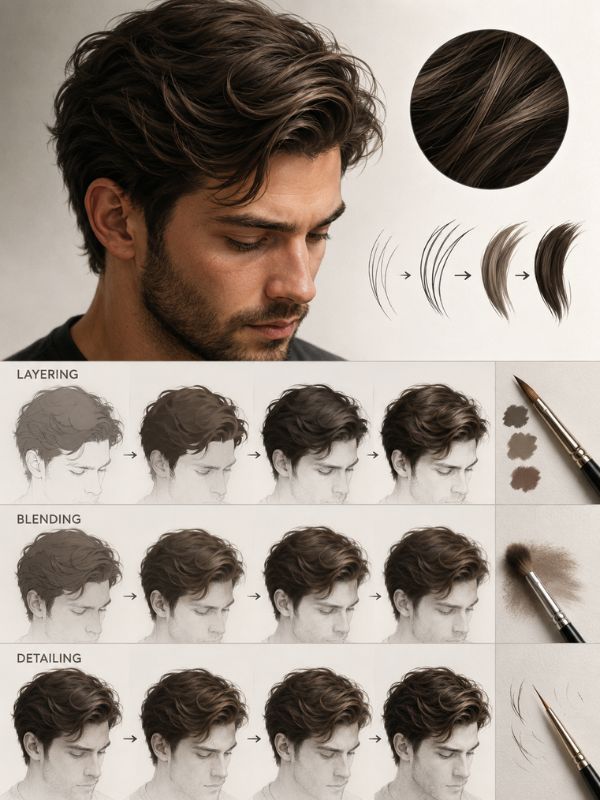
What separates a good cut from a great one is technique. Here is what skilled barbers do:
- Point cutting removes bulk while keeping the ends light and soft
- Slide cutting creates longer layers that flow naturally forward
- Razor work on the fringe edges adds feathering and reduces stiffness
- Freehand blending through the taper zone removes clipper lines for a seamless gradient
- Disconnection between the fade and the textured top creates contrast that defines the style
The goal is always controlled movement — hair that falls with purpose rather than sitting flat.
Styling the Low Taper Fade with Textured Fringe for Everyday Wear
Finishing with Texture and Hold
The right products make a significant difference. Here is a practical guide:
| Product | Best For | Hold Level |
| Matte clay | Natural, piecey texture | Medium |
| Sea salt spray | Wavy or tousled finish | Light |
| Texturizing paste | Messy, lived-in look | Medium-light |
| Pomade (matte) | Defined, sleek fringe | Medium-strong |
| Lightweight cream | Soft movement, wavy hair | Light |
Styling steps:
- Towel-dry hair until damp, not soaking
- Apply a pea-sized amount of product to your fingertips
- Work it through the fringe from roots to ends
- Use your fingers — not a comb — to shape and separate
- Blow-dry on medium heat while lifting the fringe forward for volume
- Finish with a light hold spray if needed
Keeping Your Low Taper Fade with Textured Fringe Fresh
Simple Routine for Long-Lasting Texture and Shape
| Maintenance Task | Frequency |
| Barber visit (trim and tidy) | Every 3–4 weeks |
| Hair wash | 2–3 times per week |
| Deep conditioning | Once per week |
| Product application | Daily as needed |
Key habits:
- Sleep on a satin or silk pillowcase to reduce fade disruption overnight
- Avoid heavy gels — they flatten the fringe and leave residue buildup
- Do not overwash — stripping natural oils causes the fringe to look dull
- Use a heat protectant before blow-drying to prevent damage over time
Adapting the Low Taper Textured Fringe to Your Daily Routine
Professional, Casual, and Sporty Styling Options
One of the biggest advantages of this cut is how easily it shifts between contexts with minimal effort:
Professional setting — Use a matte pomade to push the fringe neatly forward or slightly to one side. Keep the texture subtle. The clean fade does the heavy lifting in making you look sharp.
Casual / weekend — Finger-style with a texturizing paste for a loose, natural finish. Let the fringe fall where it wants. Air-dry if possible for a relaxed vibe.
Sporty / active — After working out, a quick damp restyle takes under a minute. Use a small amount of sea salt spray on damp hair and reshape the fringe with your fingers. The fade stays clean regardless.
Conclusion
The low taper fade with textured fringe earns its place as one of 2026’s most requested men’s haircuts because it does exactly what a great haircut should — it fits your life rather than demanding you fit around it.
The structure is clean and precise, the fringe gives you personality and movement, and the whole thing can shift from boardroom to barbecue without a second thought. Book your appointment, bring a photo reference, and you will walk out with a cut worth keeping.